SEBI's New NRI Onboarding Rules: What You Need to Know
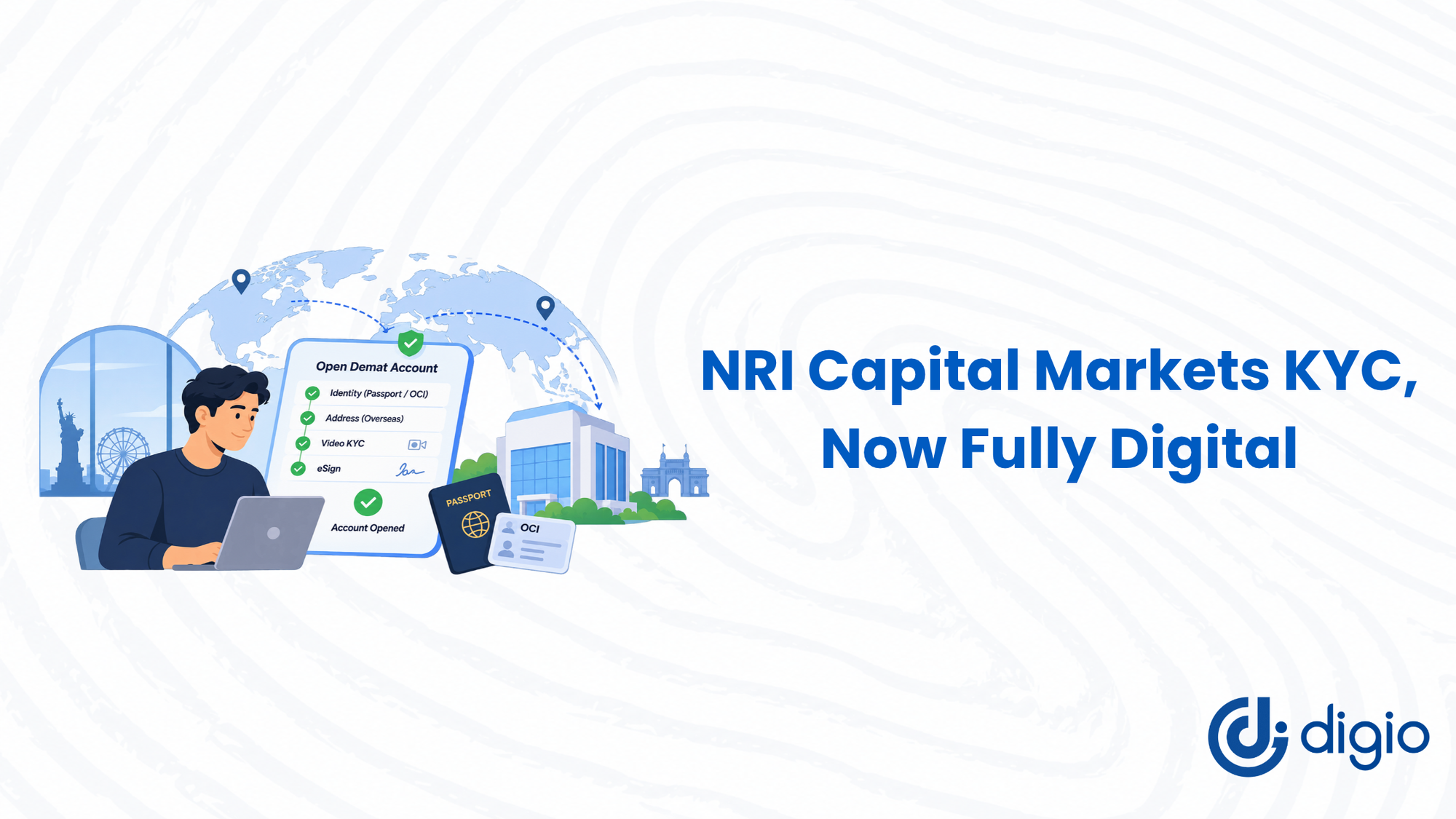
SEBI's new KYC framework makes it easier for NRIs and OCIs to open accounts with SEBI-registered intermediaries without travelling to India. Here's what changes and how financial institutions can enable seamless, fully digital NRI onboarding.
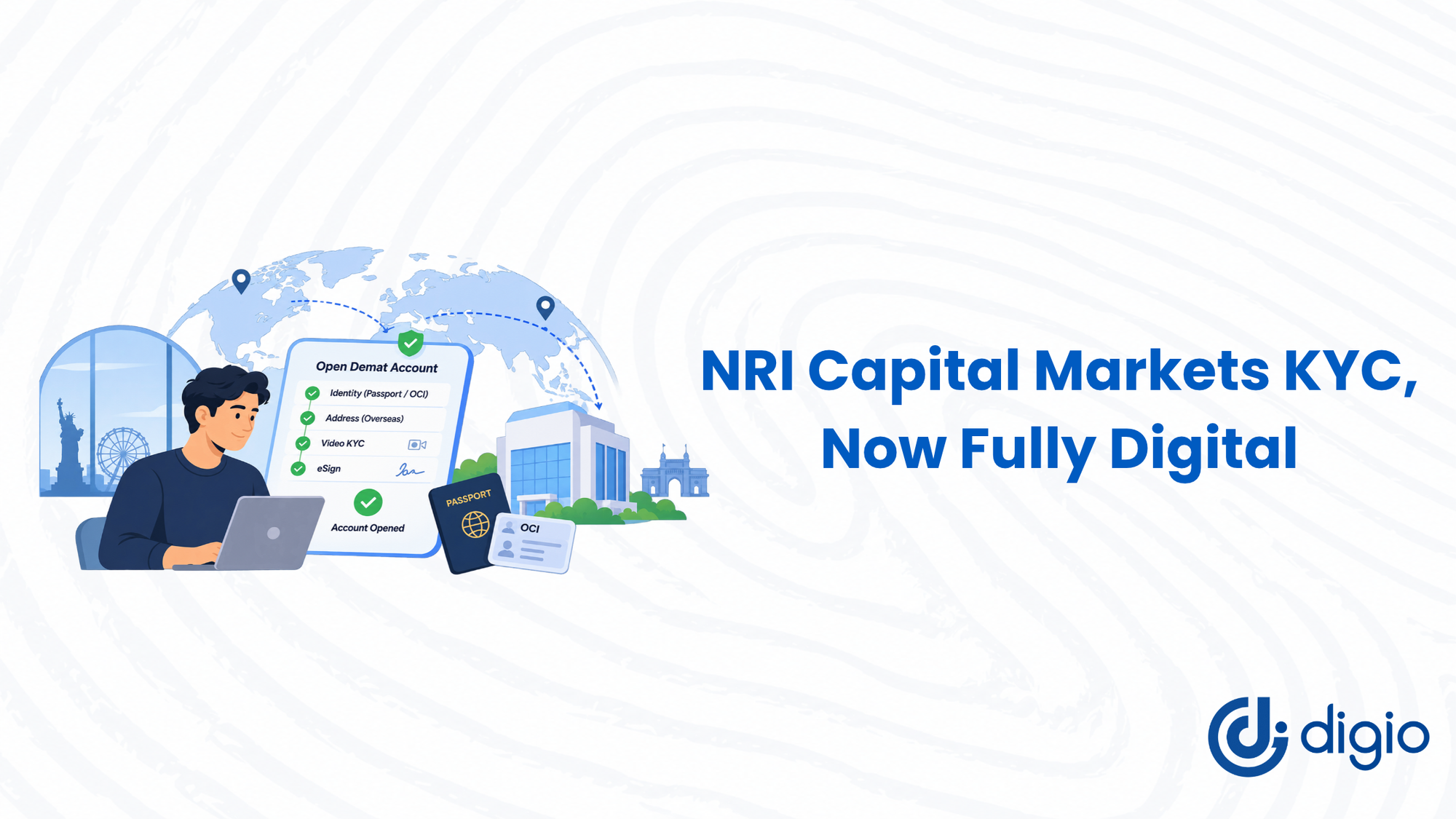
From 3 December 2026, an NRI, OCI cardholder or foreign national living in a FATF-compliant country can open an account with a SEBI-registered intermediary without setting foot in India. SEBI's circular dated 4 November 2026 (HO/38/30/12(3)2026-MIRSD-POD2/I/25175/2026) removes the rule that a client must be physically located in India during digital KYC.
For brokers, AMCs, wealth platforms and depository participants, this opens up a large investor base that until now had to wait for a trip home or post paper forms. The real question is no longer whether you're allowed to onboard them digitally. It's whether your onboarding stack can confirm the client is genuinely in a FATF-compliant country, read a foreign passport, an OCI card and an overseas utility bill, complete an eSign without an Indian SIM, and run a video call from another time zone, all in one flow.
What changes under the new rules
One condition runs through all of it: the client must be resident in a FATF-compliant country. The new route is available only from 3 December 2026, not from the date the circular was issued.
What this fixes
A returning NRI with a validated KRA record could often be onboarded online already. The hard case was a client with no usable record. Their fresh KYC meant documents attested by a notary or an Indian embassy, physical copies sent by courier, and an onboarding that could stretch over days or weeks.
The new route removes that, in two places:
- New accounts from abroad. An NRI, OCI or foreign national with no usable KYC can complete fresh KYC digitally, without travelling or posting paperwork.
- Re-KYC and KYC updates from abroad. Existing clients in a FATF-compliant country can refresh or update their KYC the same way, instead of waiting until they're next in India.
For the client, that means a fully digital journey, including an eSign without an Indian SIM. For the intermediary, it means checks that didn't exist before: the client's country and IP, foreign document formats, and a VIPV with an authorised official present and concurrent audit. Building all of that in-house before 3 December is a lot of work.
Where Digio comes in. Each of those checks is already a working part of Digio's stack, connected in one flow with one audit trail. You switch the new route on instead of building it.
The journey, step by step, on Digio
Every step the circular describes is something Digio already runs in production. Here is how the full onboarding looks when it's done on one stack.
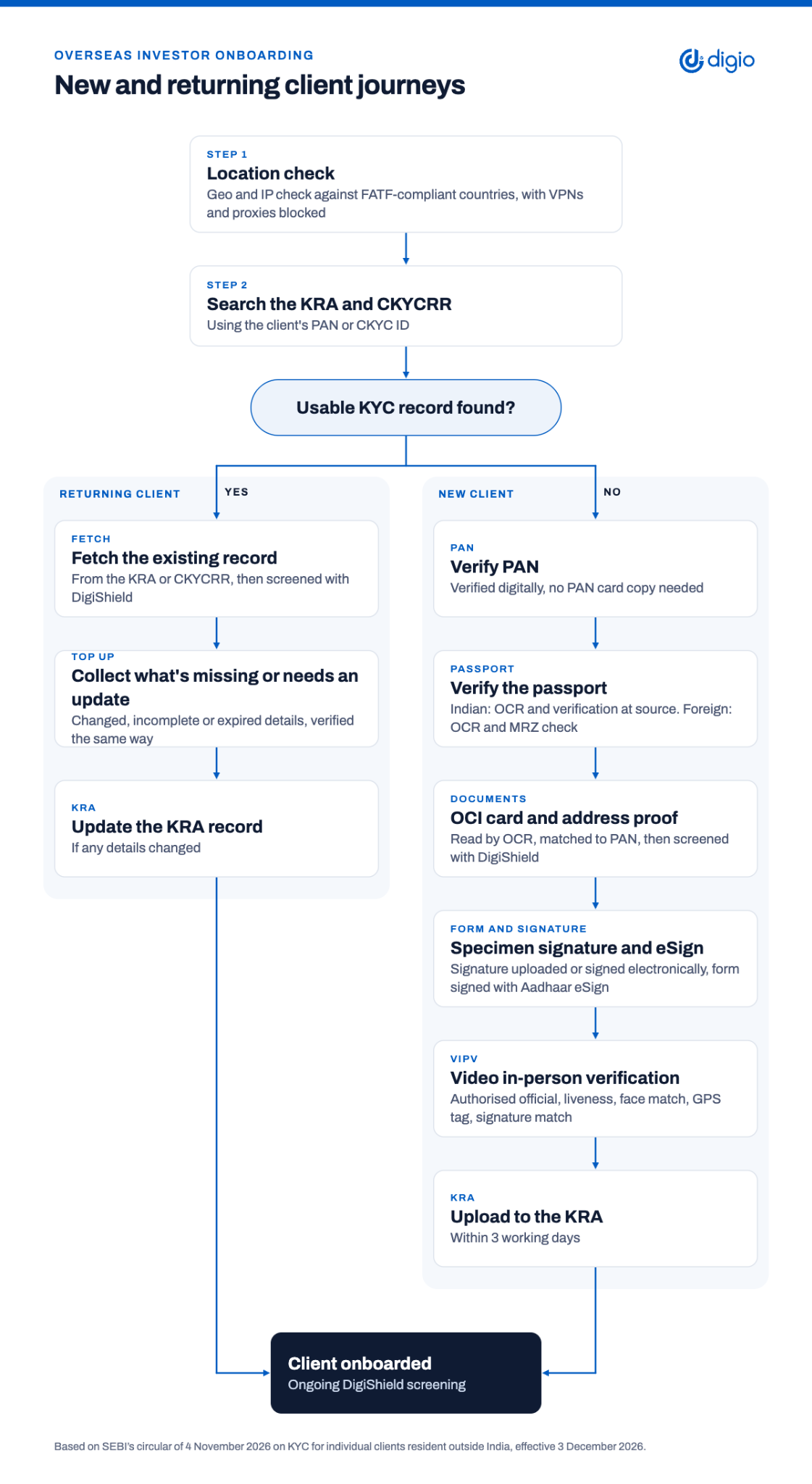
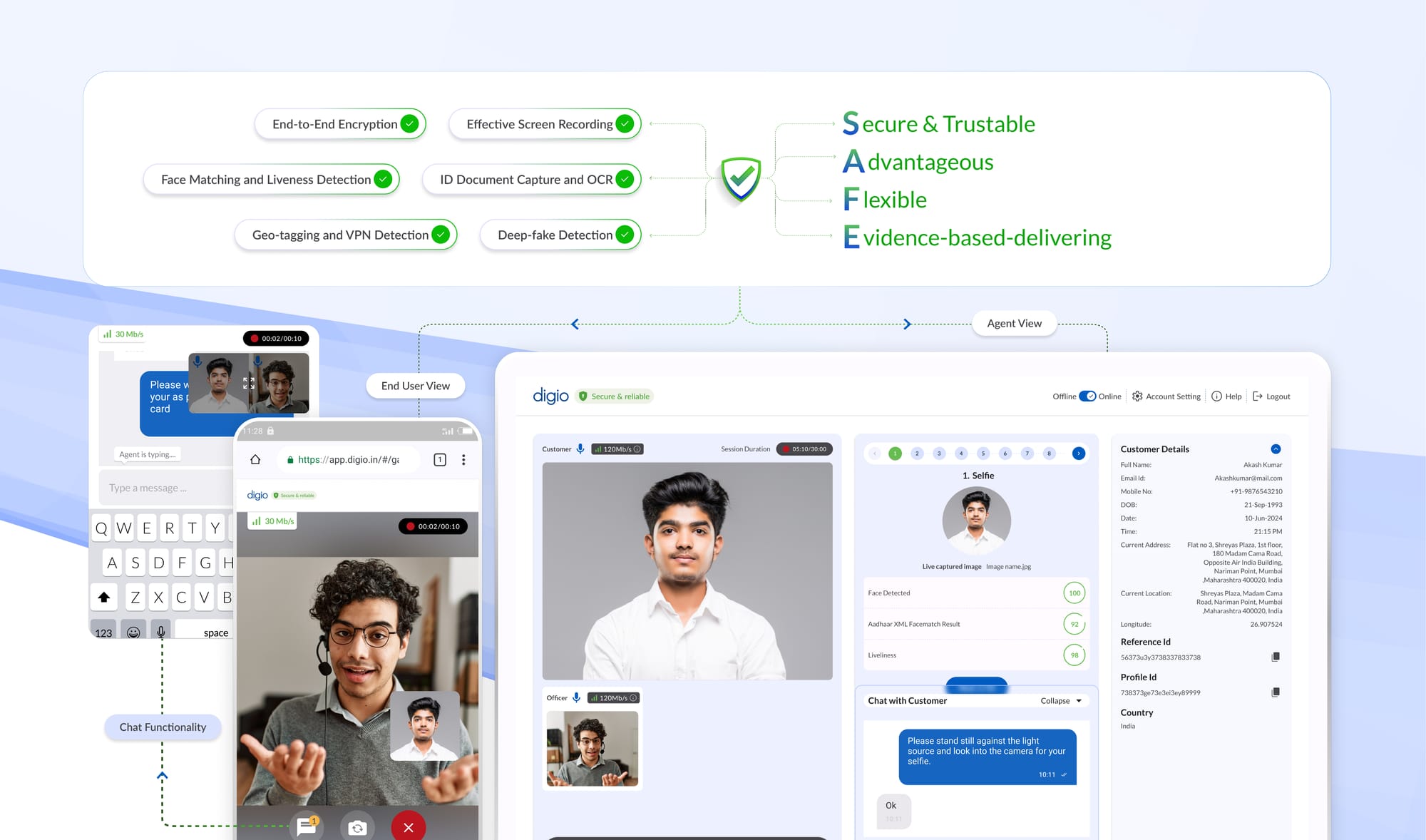
- Confirm where the client is. Before anything else, a geolocation and IP check confirms the client is in an approved FATF-compliant country and that it matches the country they declare, with VPN and proxy connections blocked.
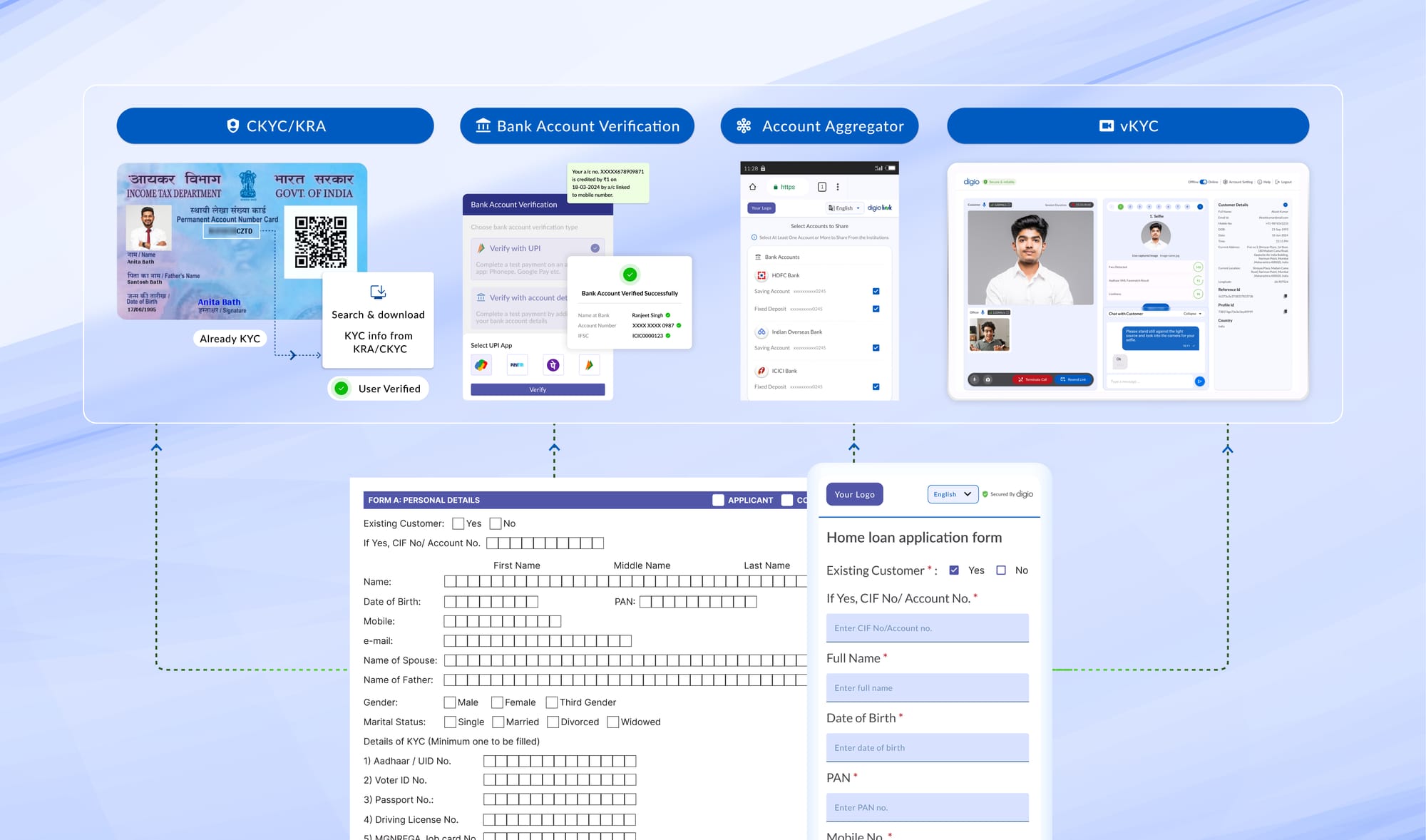
- Look for an existing KYC first. Digio searches the KRA and CKYCRR using the client’s PAN or CKYC ID. If a record exists, only what is missing, changed or expired needs to be collected, which is how the circular wants returning clients handled. DigiShield screens returning clients against sanctions and PEP lists using the details on the fetched record.
- Verify PAN. The client’s PAN is verified digitally, with no copy of the PAN card needed. That gives you the anchor identity record for the rest of the journey.
- Verify the passport. Indian passports are read by OCR and verified at source. Foreign passports are read by OCR and checked through their machine-readable zone (MRZ), which confirms the data hasn't been altered.
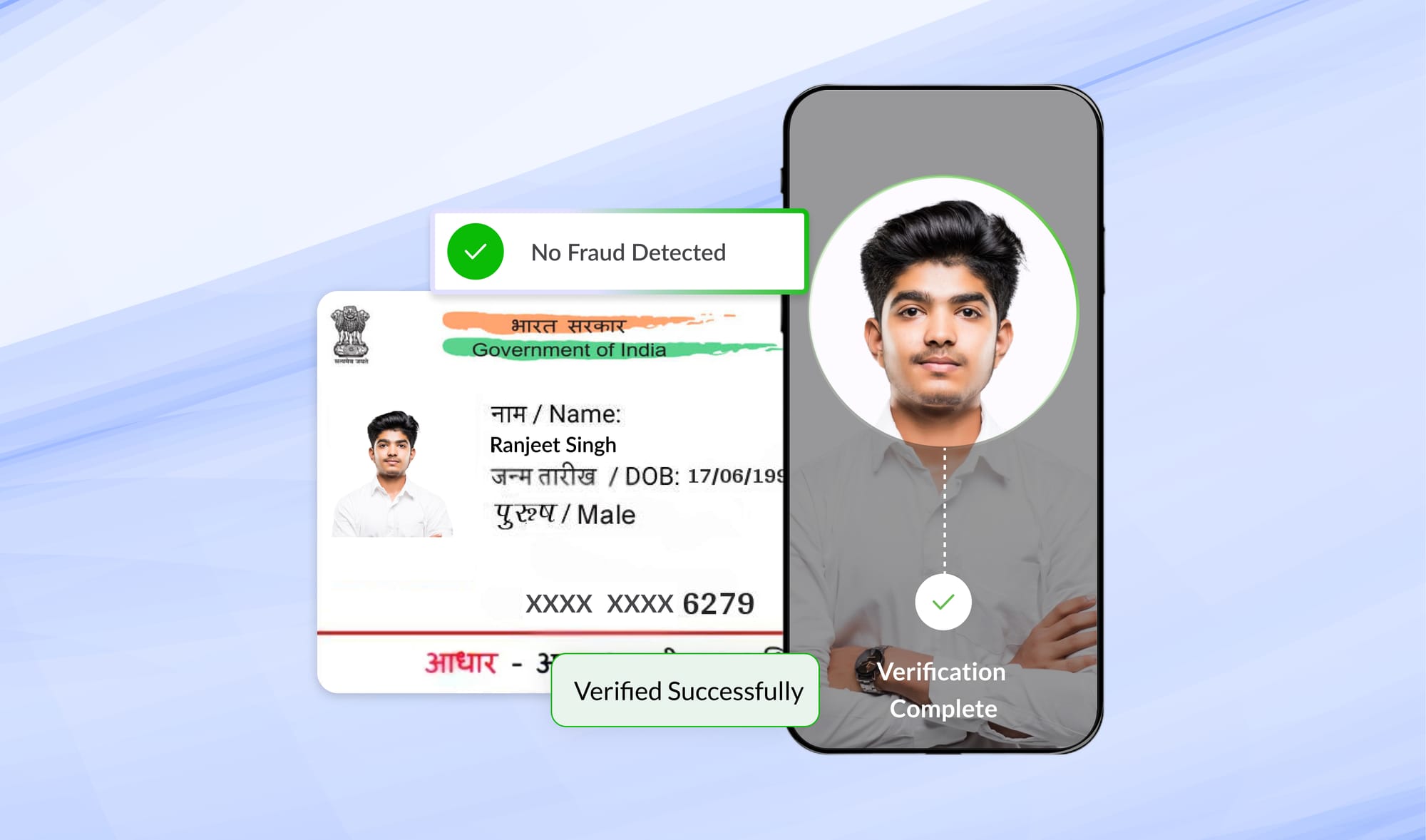
- Read any other document, then cross-check it. The client uploads their OCI card and overseas address proof. Digio's OCR extracts data from any document type, whatever the country or format. The extracted name, date of birth and other fields are then automatically validated against the PAN record, and mismatches are flagged for review instead of slipping through. With the client’s name, date of birth and nationality now verified, DigiShield screens them against global watchlists, including sanctions and PEP lists, so any hit is reviewed before the video call.
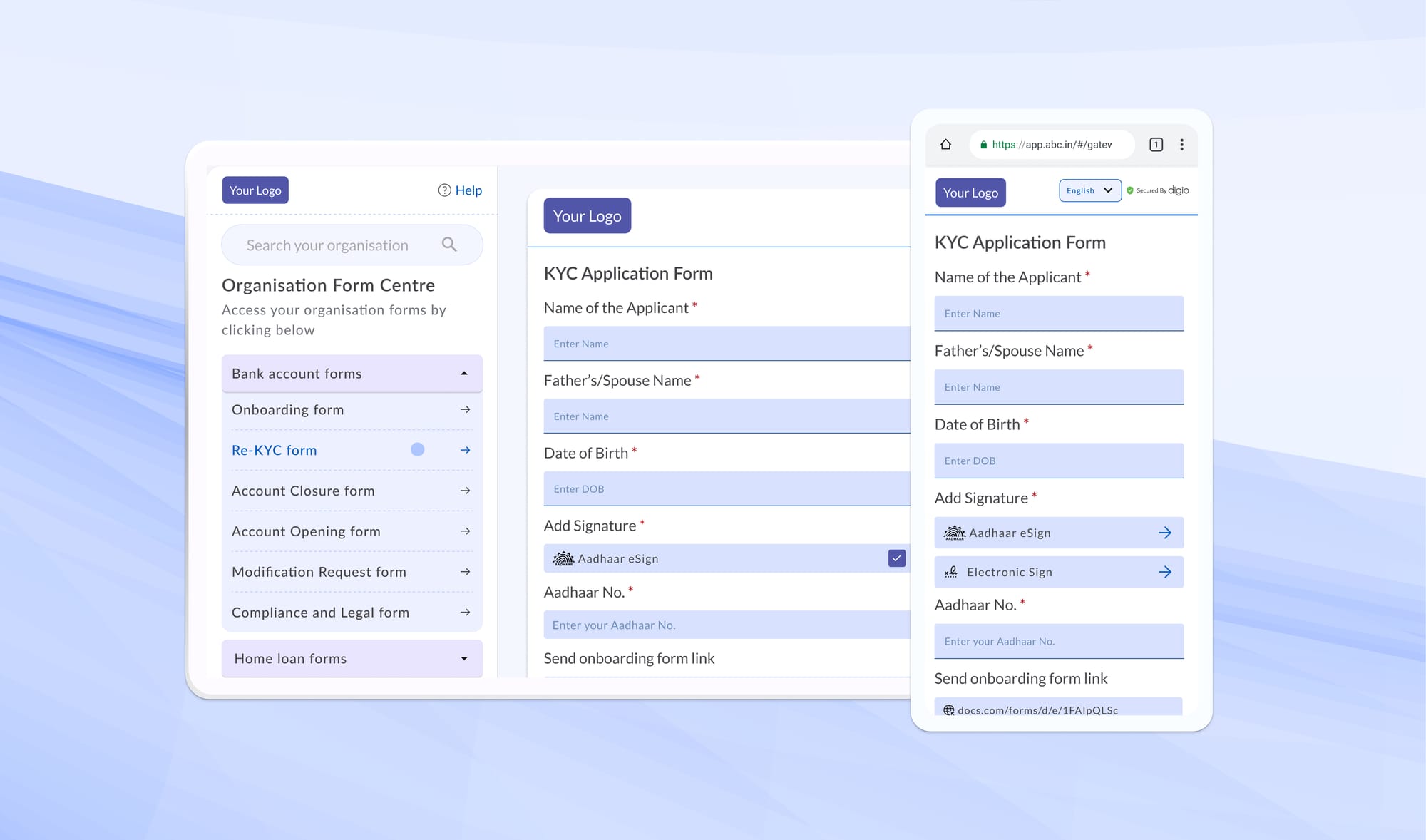
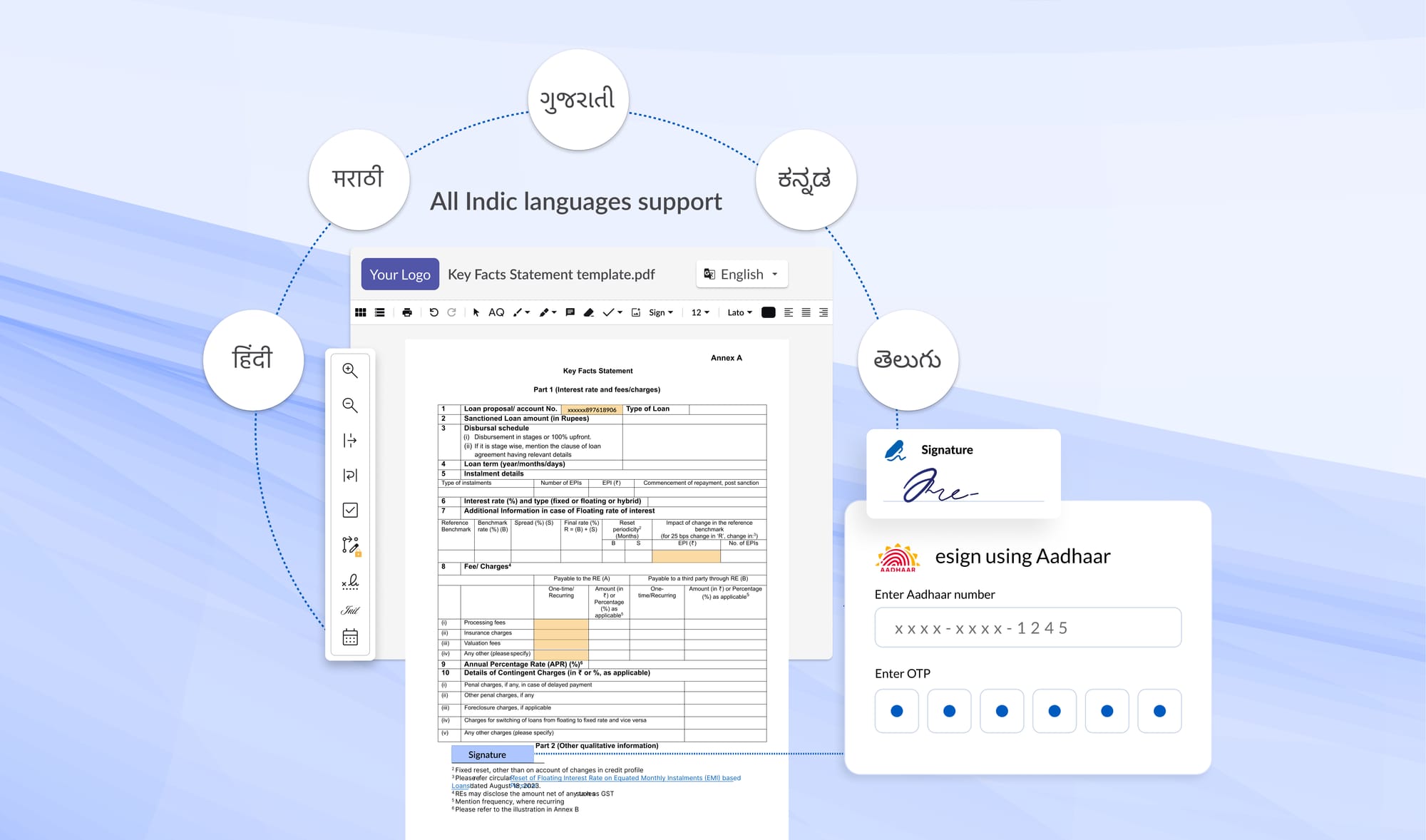
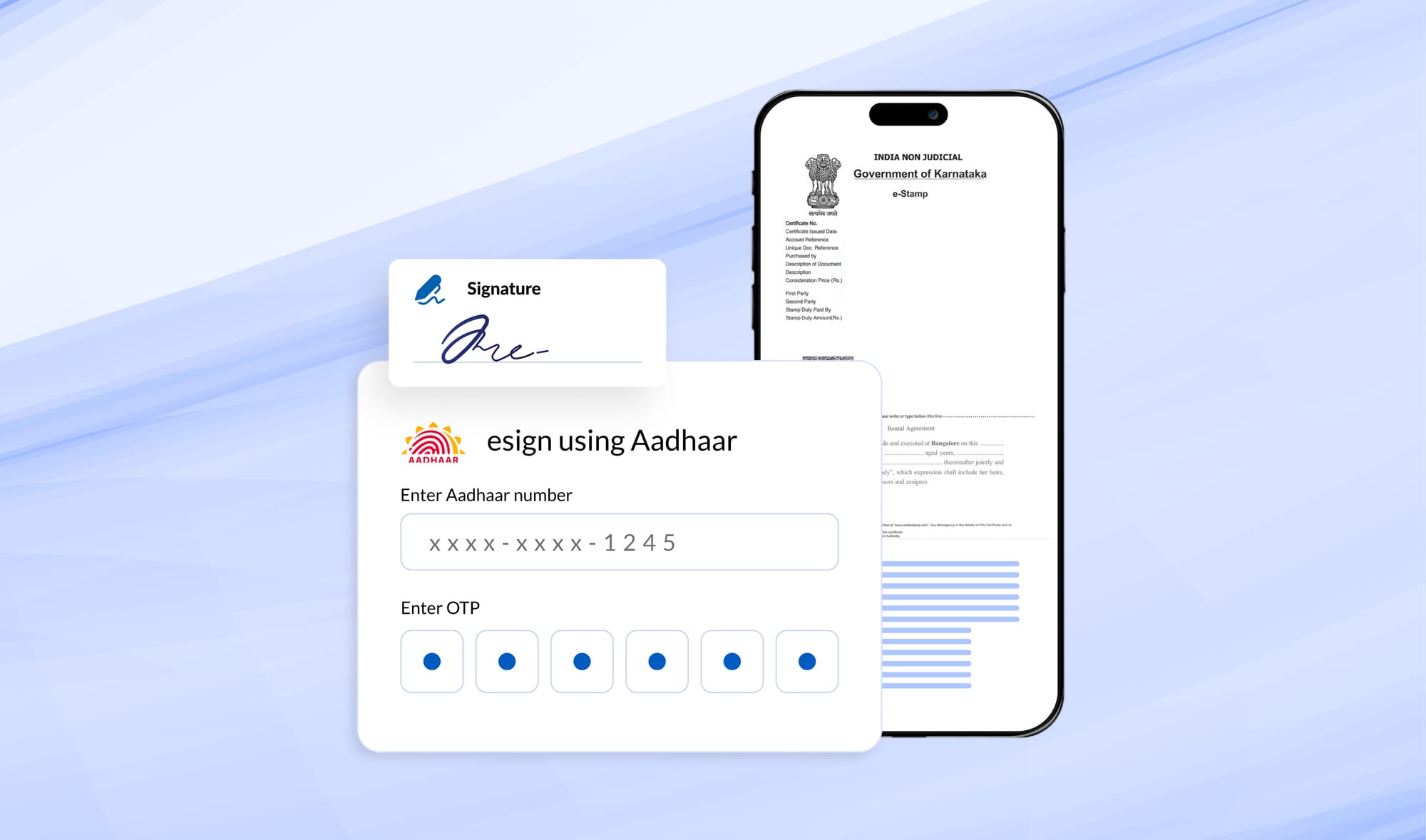
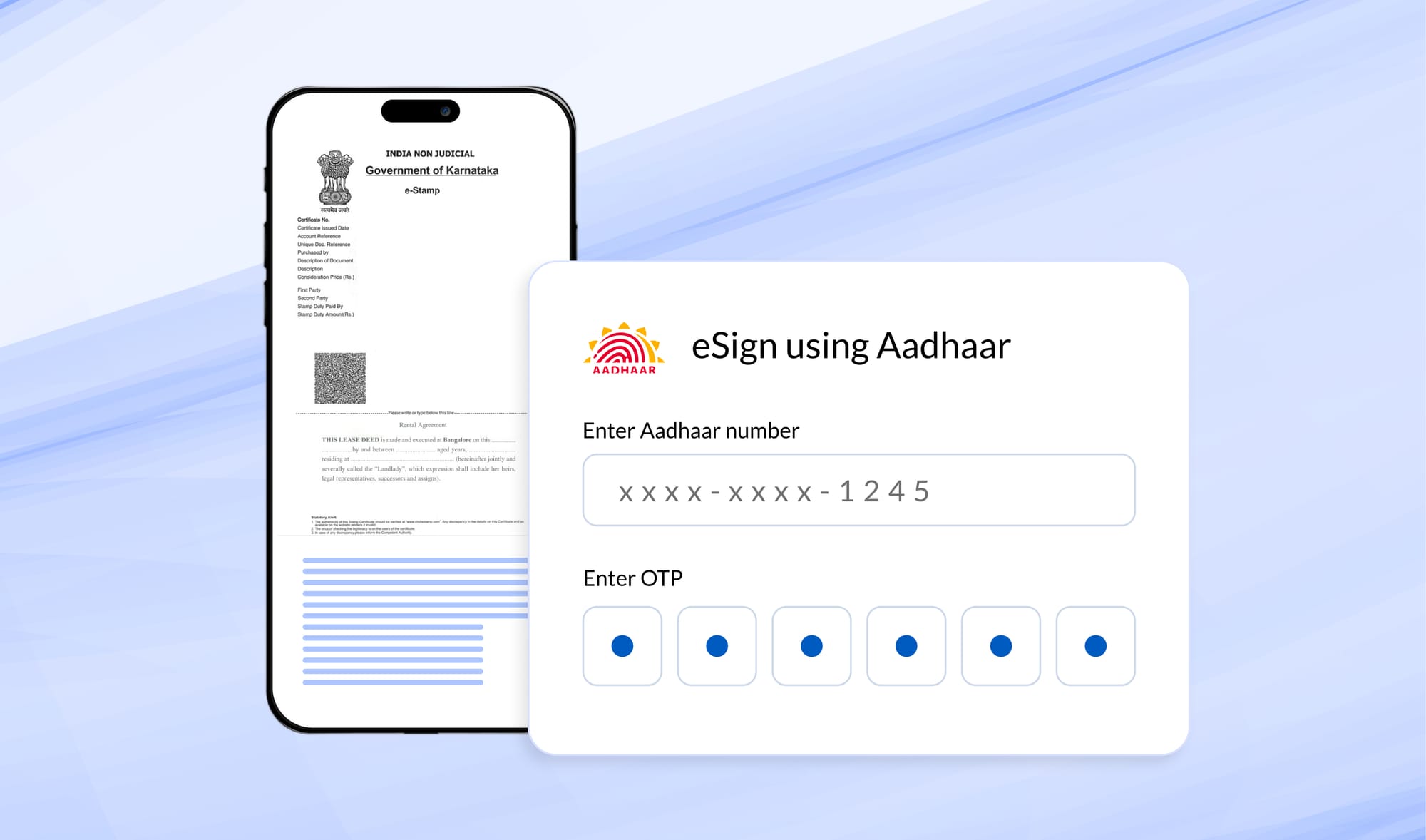
- Sign the form and submit a specimen signature. The client uploads a specimen signature as an image or signs electronically in the app. The digital KYC form, with the signature, is then signed through DigiSign using Aadhaar eSign. The OTP goes to the Aadhaar-linked mobile, or to the Aadhaar-registered email for clients without access to their Indian SIM.
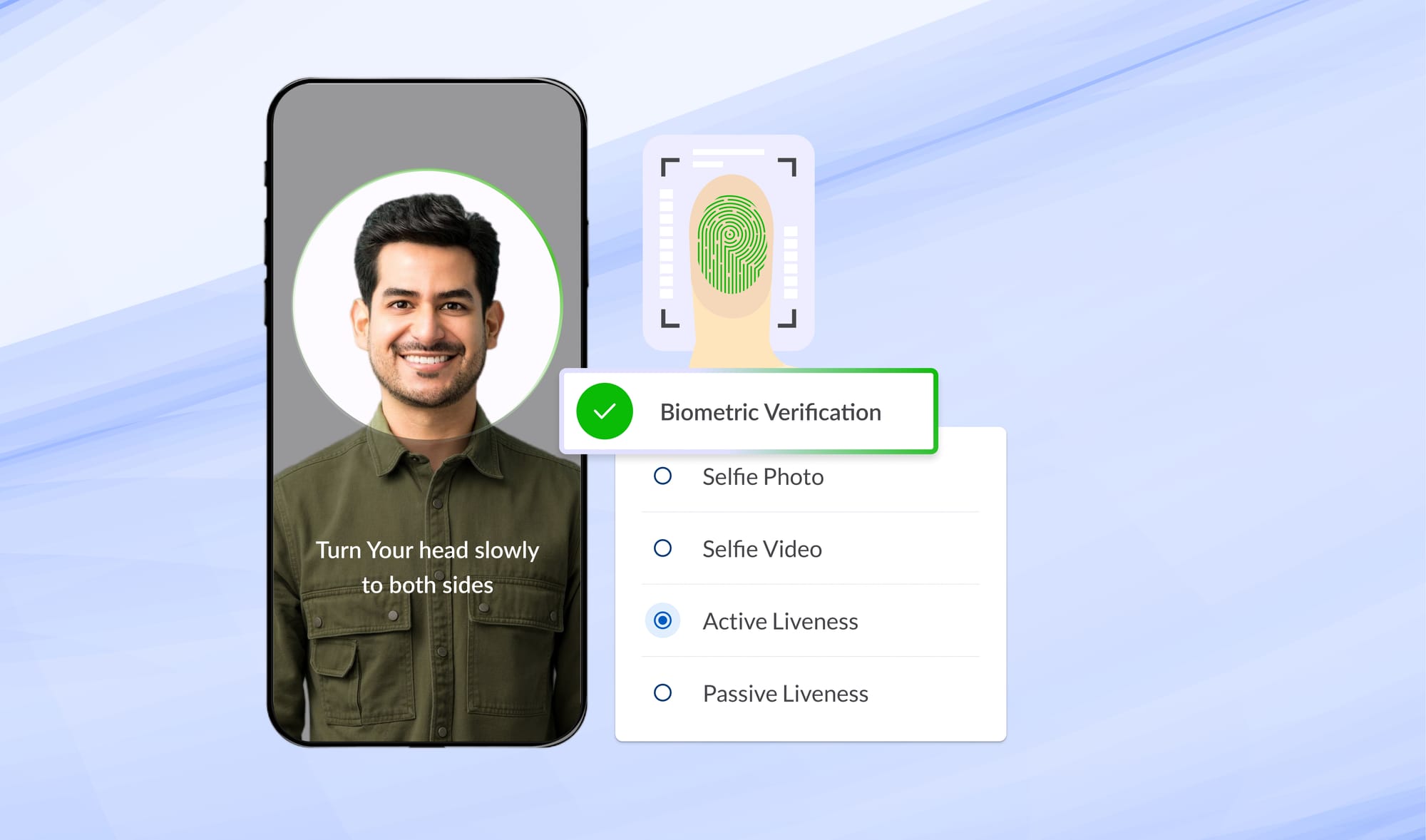
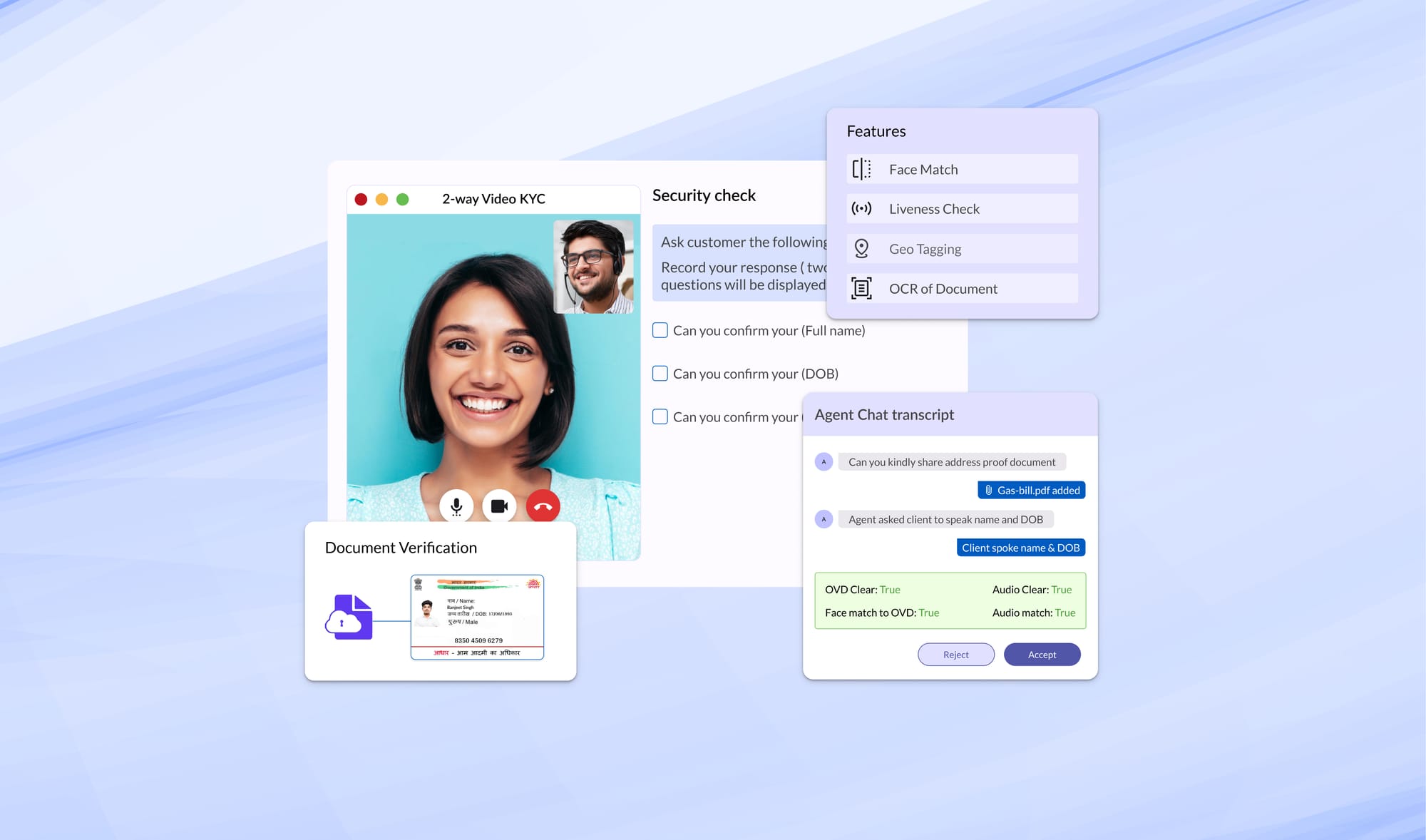
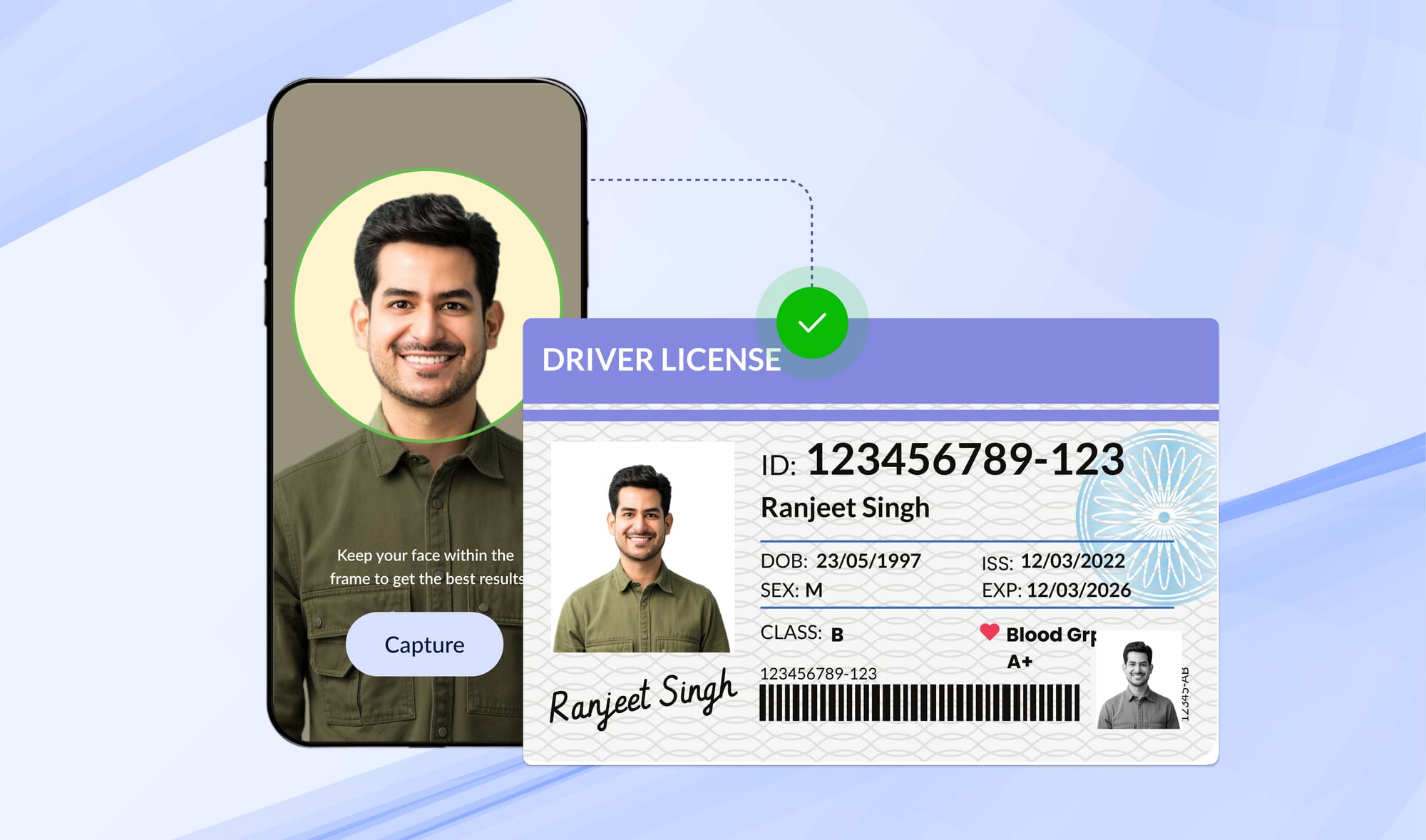
- Run video verification from abroad. Digio Video KYC handles VIPV with an authorised official on the call, random action prompts, liveness checks, face match against the identity document, and live GPS coordinates with a date and time stamp. The client also signs on camera so the signature can be matched to the one submitted in the previous step. Every session is recorded for concurrent audit.
- Upload to the KRA. The completed record goes to the KRA within 3 working days. The record stays portable, so the next intermediary the client approaches can fetch it instead of starting over.
- Keep watching after day one. DigiShield keeps screening the client and monitoring transactions, so overseas clients sit inside the same AML programme as everyone else.
What still sits with the intermediary
The circular makes onboarding easier. It does not move responsibility. You still own the KYC outcome, risk categorisation and re-KYC for these clients. That's why a single audit trail matters: when every check, from PAN to video to screening, lives in one place, answering an auditor's question takes minutes.
Ready on 3 December
You don't need to build a separate NRI onboarding flow from scratch. The pieces already exist and already work together. If you want overseas investors onboarding on day one, talk to us.
Source: SEBI circular dated 4 November 2026, "Review of Know Your Client process for individual Person Resident Outside India clients".
Disclaimer: The information provided in this blog is for general informational and educational purposes only. It should not be construed as legal, regulatory, financial, or investment advice.
Read more Blogs
SEBI's New NRI Onboarding Rules: What You Need to Know
SEBI's new KYC framework makes it easier for NRIs and OCIs to open accounts with SEBI-registered intermediaries without travelling to India. Here's what changes and how financial institutions can enable seamless, fully digital NRI onboarding.
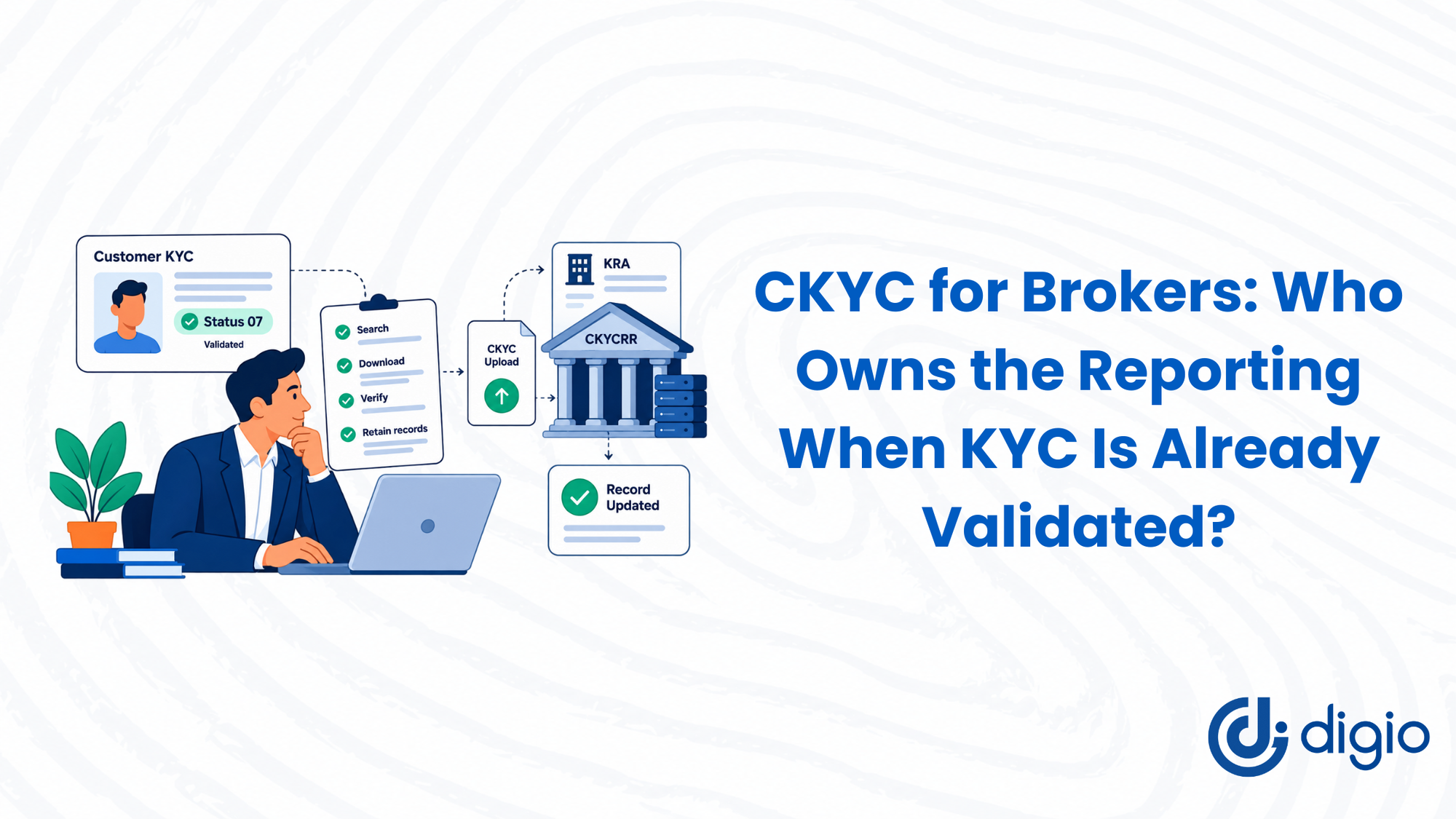
CKYC for Brokers: Who Owns the Reporting When KYC Is Already Validated?
Understand when brokers need to repeat a CKYC upload for customers with validated KYC status 07. Learn how to handle existing records, KYC modifications, KRA workflows, and reporting responsibilities under the applicable regulatory framework.
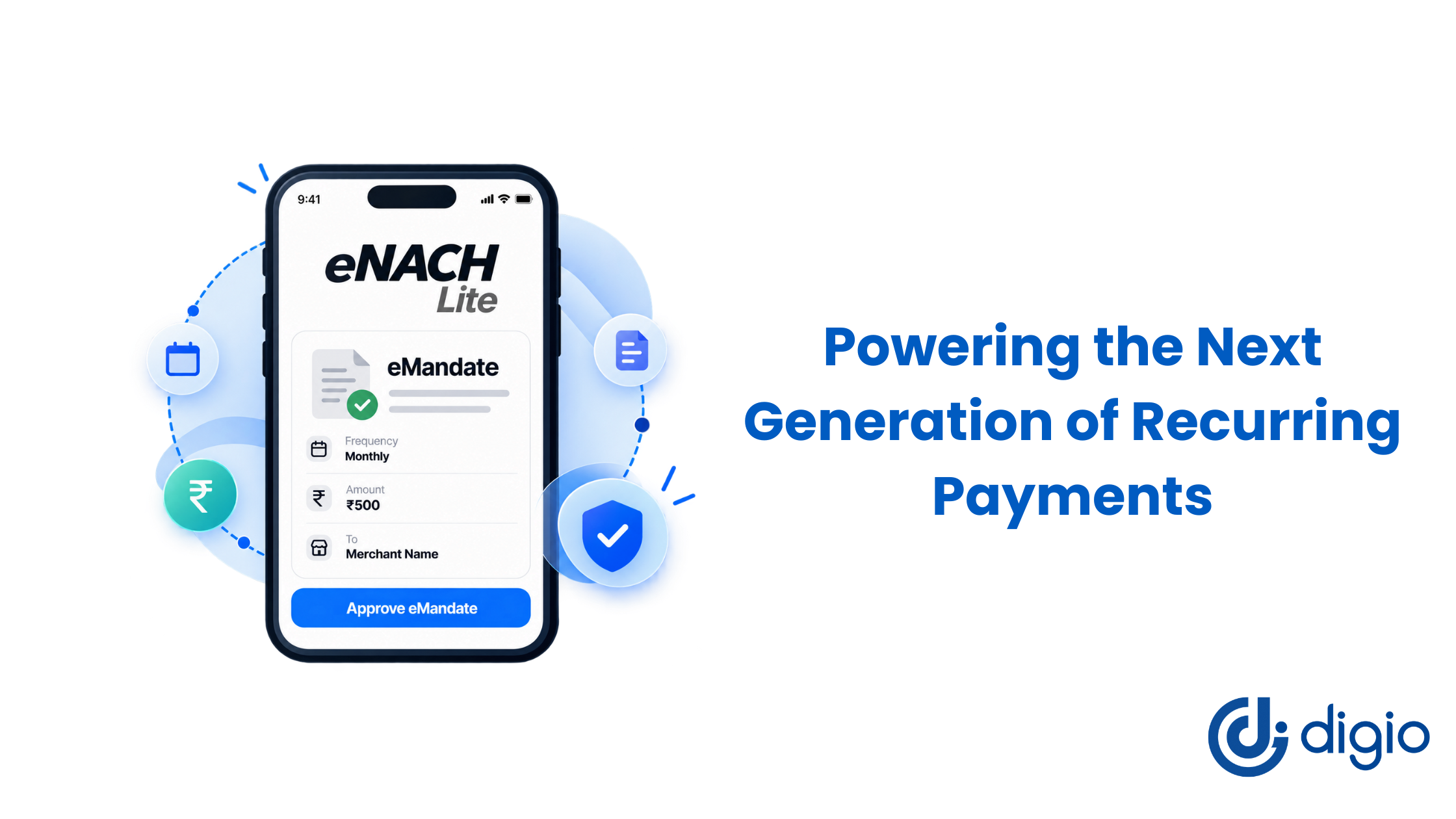
eNACHLite is Here: Digio Powers the Next Generation of Recurring Payments
NPCI’s eNACHLite framework enables seamless in-app registration, modification, pausing, and cancellation of e-mandates. Discover how Digio’s NPCI-tested MSP and ASP solutions help merchants and TPAPs go live faster.





Digitally transform business operations with Digio!
Try first. Subscribe later.
Boost your legal ops efficiency by 80%
Learn how Digio can enhance your business productivity
Get 1-on-1 business use case solutioning
Speak with our business consultants to get a solution walkthrough for your business requirement
Test the APIs
Let your development team test our API suite to understand configurability and product integration
Subscribe
Get the best in industry commercials for your business usecase