CKYCRR 2.0 is going live this monthAutomate your CKYC end-to-end todayExplore
AI, CKYC, and The Future of Identity Rails
India’s CKYC registry holds 1B+ verified identities, yet many lenders still use OCR-only ID checks. Digio combines CKYC, liveness, face match, and AI forgery checks into one fraud-proof flow.
India's Central KYC (CKYC) Registry crossed a billion records in 2025: a billion pre-verified identities, photograph included, that a regulated lender can pull in seconds.
Behind that registry sits a whole stack, built up rail by rail. CKYC CERSAI India holds the pre-verified record; DigiLocker, now with more than 500 million users, lets people carry their documents and hand them over on demand. Alongside the records sit credentials you can check on the spot: Aadhaar's secure QR code and Paperless Offline e-KYC have offered tamper-proof, UIDAI-signed identity photographs included since 2018, and newer physical ID cards now print a QR code that can be verified directly, without trusting the plastic it sits on. The latest passports add an NFC chip that a phone can read and authenticate. India has built a comprehensive identity infrastructure on a massive scale.
Shifting Gears
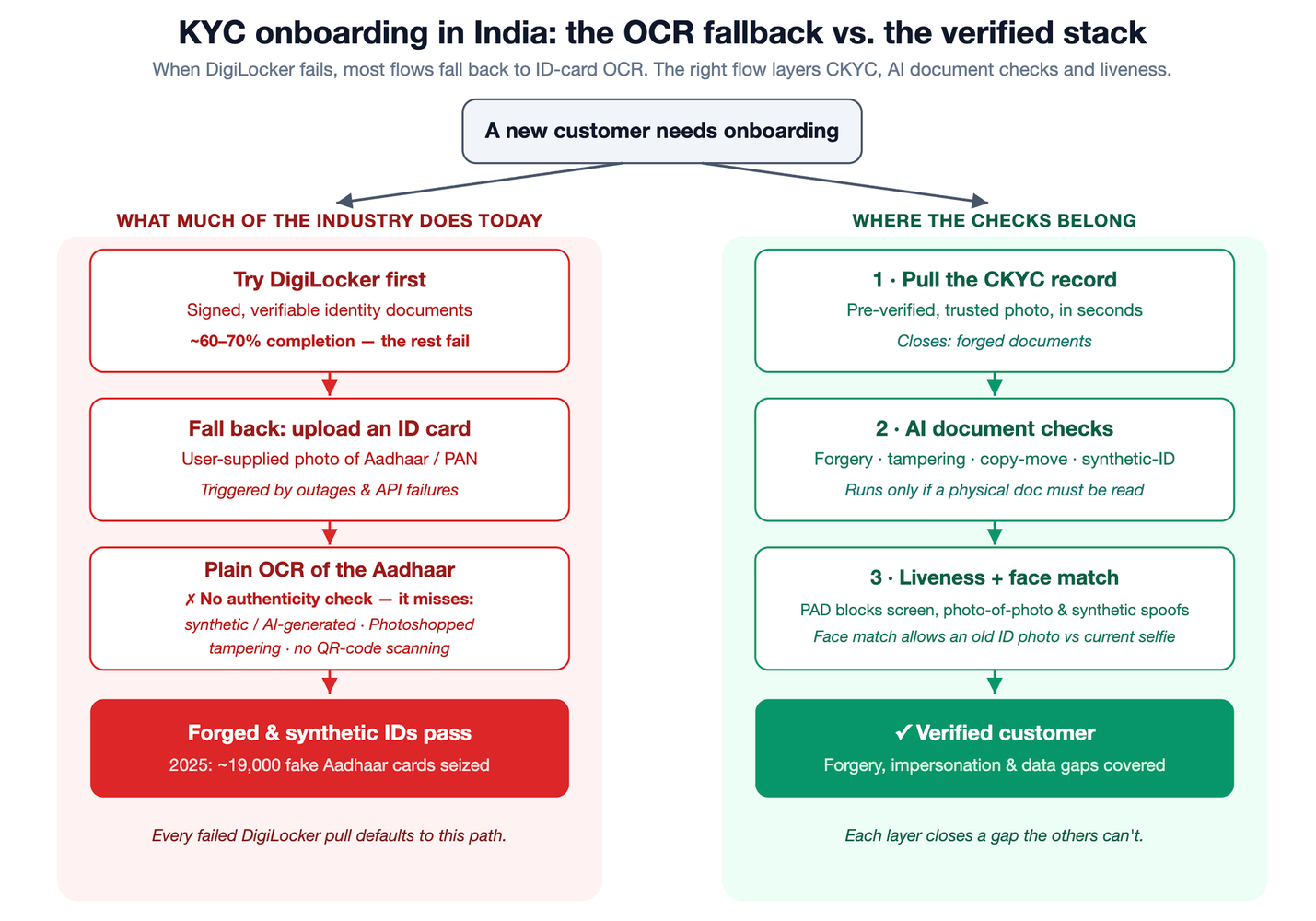
And yet, here pride turns to frustration. For all this infrastructure, much of the industry still onboards customers using dated flows, for example, using DigiLocker, which has about 60% complete rate. And then the fallback is to upload a photo of an ID card, run plain OCR over it, and move on. Forgoing forgery checks and QR code reading.
OCR reads a document; it cannot tell you whether the document is real. A Photoshopped Aadhaar, a card faked by a generative model, an ID that never existed in the Unique Identification Authority of India (UIDAI)'s database, all sail through an OCR check cleanly. The fraud is not hypothetical. A single racket near the Nepal border in 2025 produced roughly 19,000 fake or altered Aadhaar cards.
Neither is the industry using CKYC, which already has 1 Billion+ verified records. A regulator-grade, pre-verified record, with a trusted photograph included, that is retrievable in seconds, sits underused. Relying on it was optional for years, and the records themselves were dragged down by stale entries, duplicates, and consent gaps. Only in late 2025 did the RBI firmly move to mandate and standardise CKYC reliance; CKYCRR 2.0 is a ground-up rebuild precisely because the original rails were never pushed to their potential.
The country that leapfrogged traditional identity systems keeps falling back, by choice, to the least secure method on offer, and exposes itself to exactly the synthetic-ID and impersonation fraud the better rails were built to stop.
Fix: The identity stack, used properly
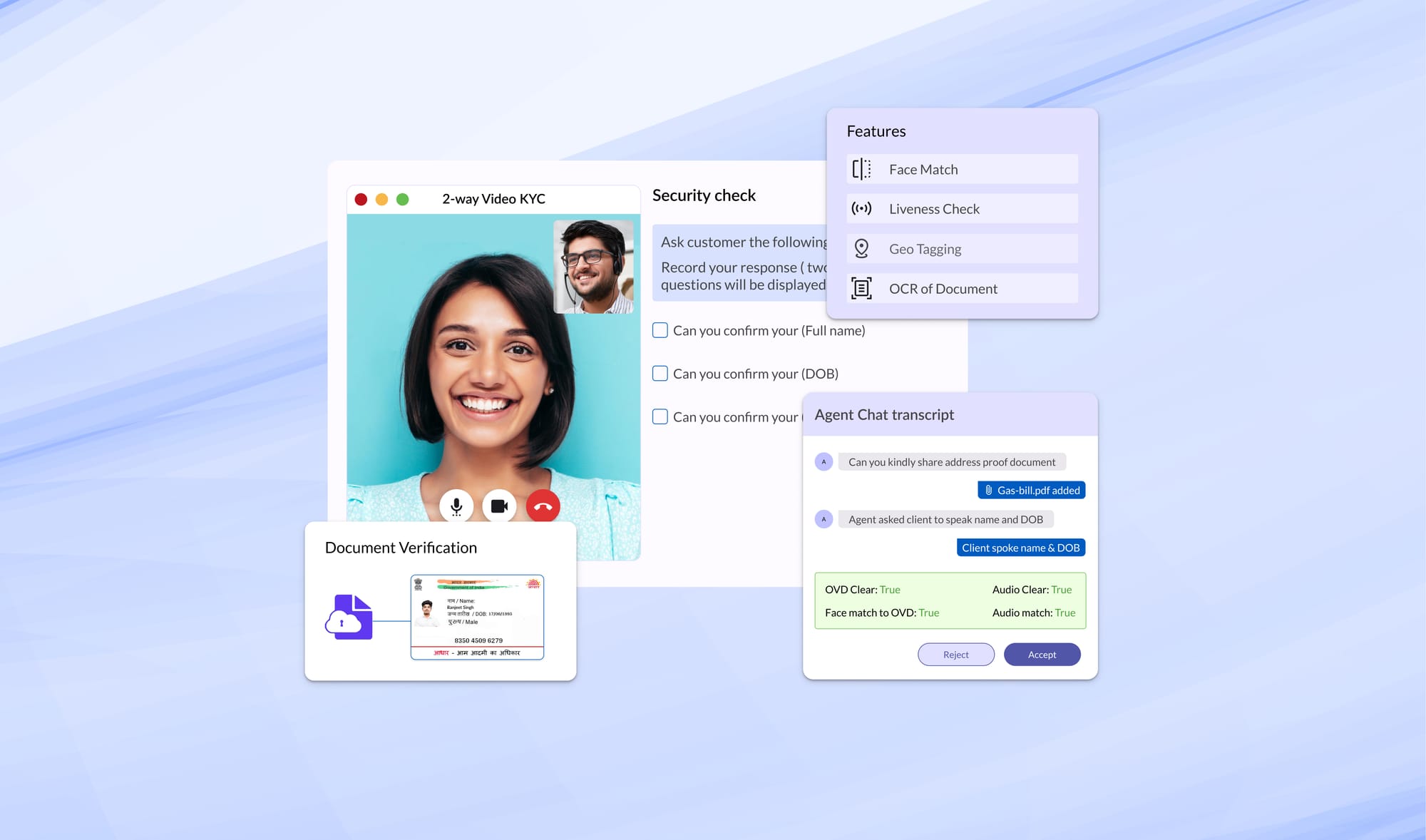
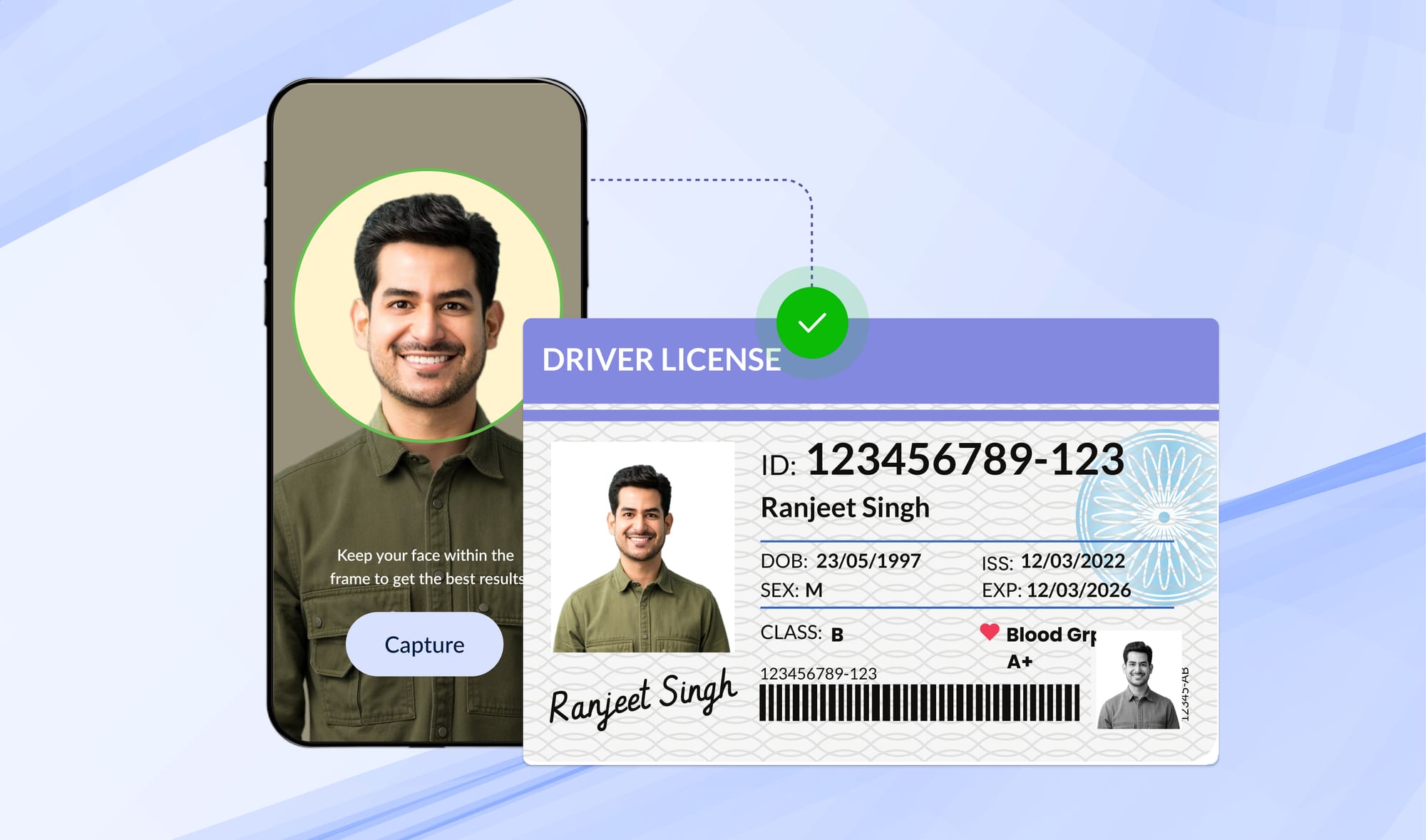
This is the gap Digio is built to close. The right Indian flow is not a contest between these tools; it is the full stack used properly. Pull the CKYC record as a trusted, forgery-proof reference instead of trusting a card the user hands you. Layer AI document checks for forgery, tampering, copy-move edits, and synthetic IDs for the cases where a physical document must still be read. Then bind the live human to that trusted record with liveness detection and a face match against the verified photo. CKYC removes the forged-document problem; liveness removes the impersonation problem; the AI checks catch what slips between. Each closes a gap the others cannot, and together they turn India's world-leading infrastructure into world-leading fraud prevention.
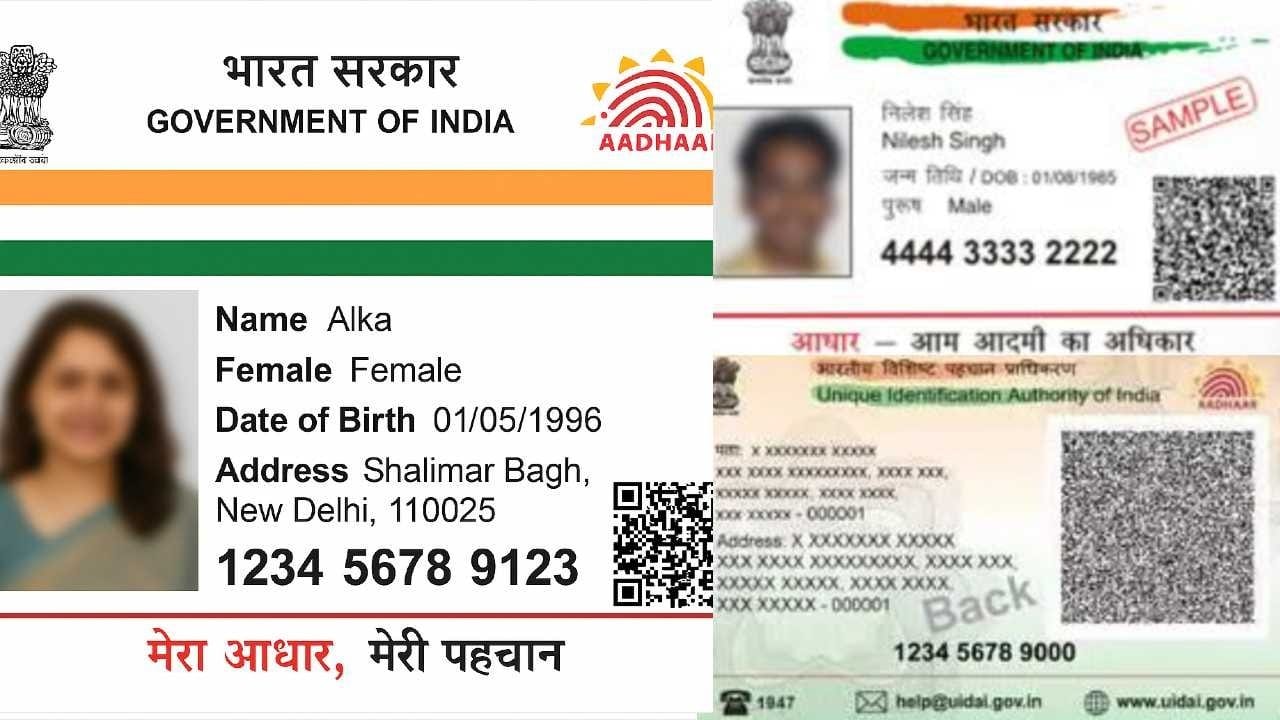
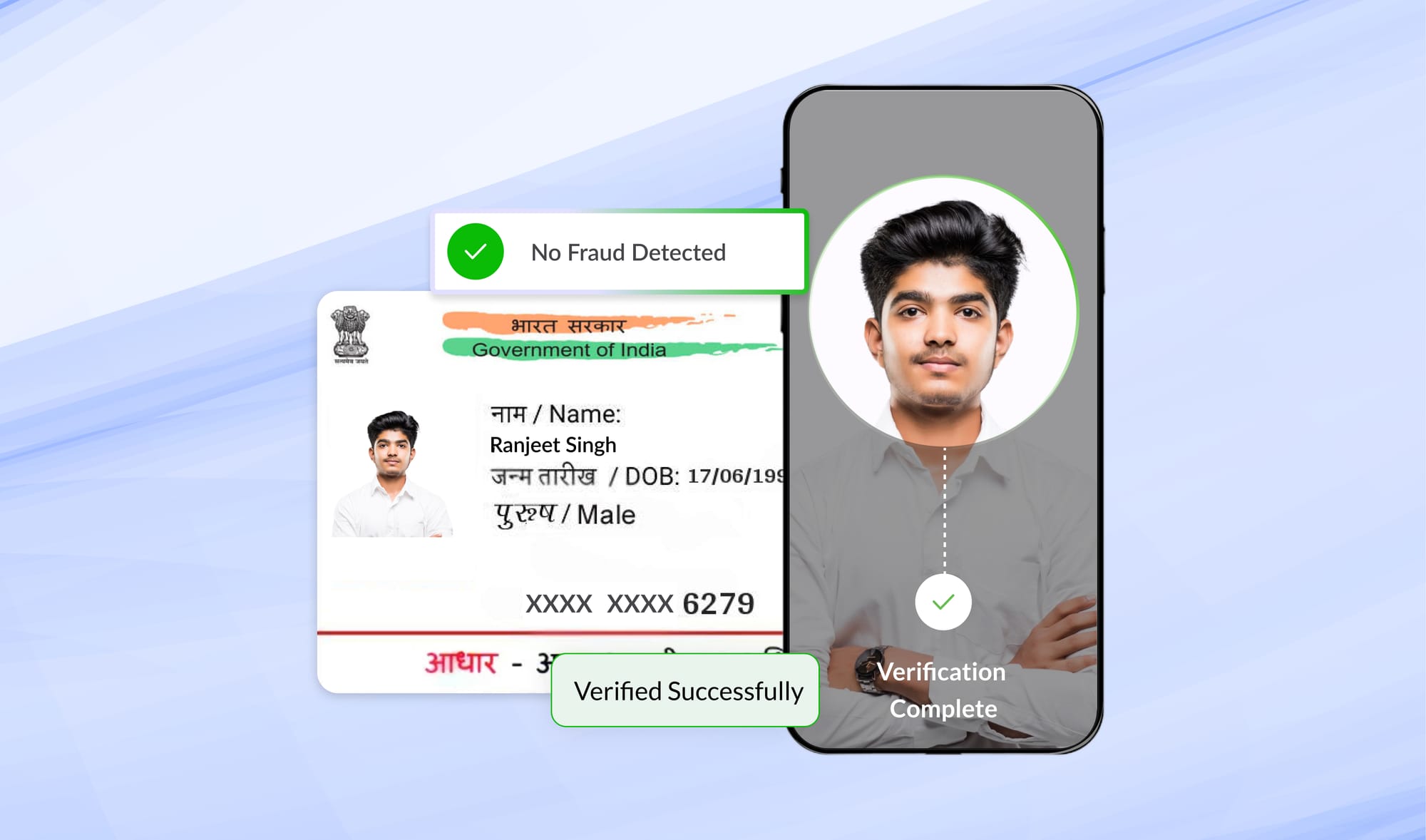
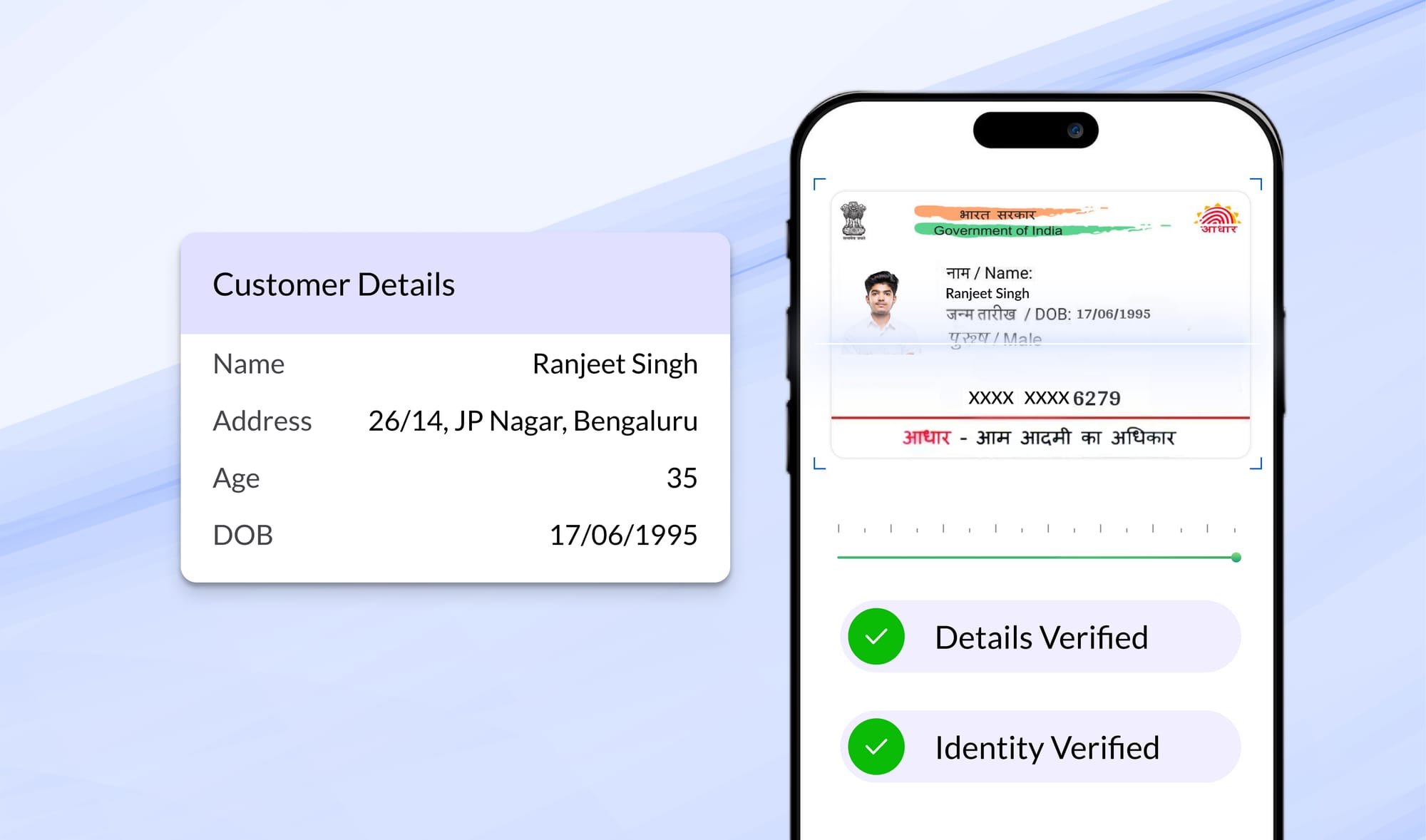
Digio's AI inspects an uploaded ID card before any field is trusted, running several checks in a single pass.
- Blur check: screens image quality, rejecting smudged or out-of-focus captures up front.
- Cut-out check: confirms the full card is in frame, with no corner or field cropped away.
- Physical-card check: verifies a genuine card was photographed, not a printout or an image on a screen, proving the person actually holds it.
- Tampering check: hunts for edits, most often a face pasted over the original photo.
- Synthetic-ID check: catches cards that were generated rather than issued by a real authority.
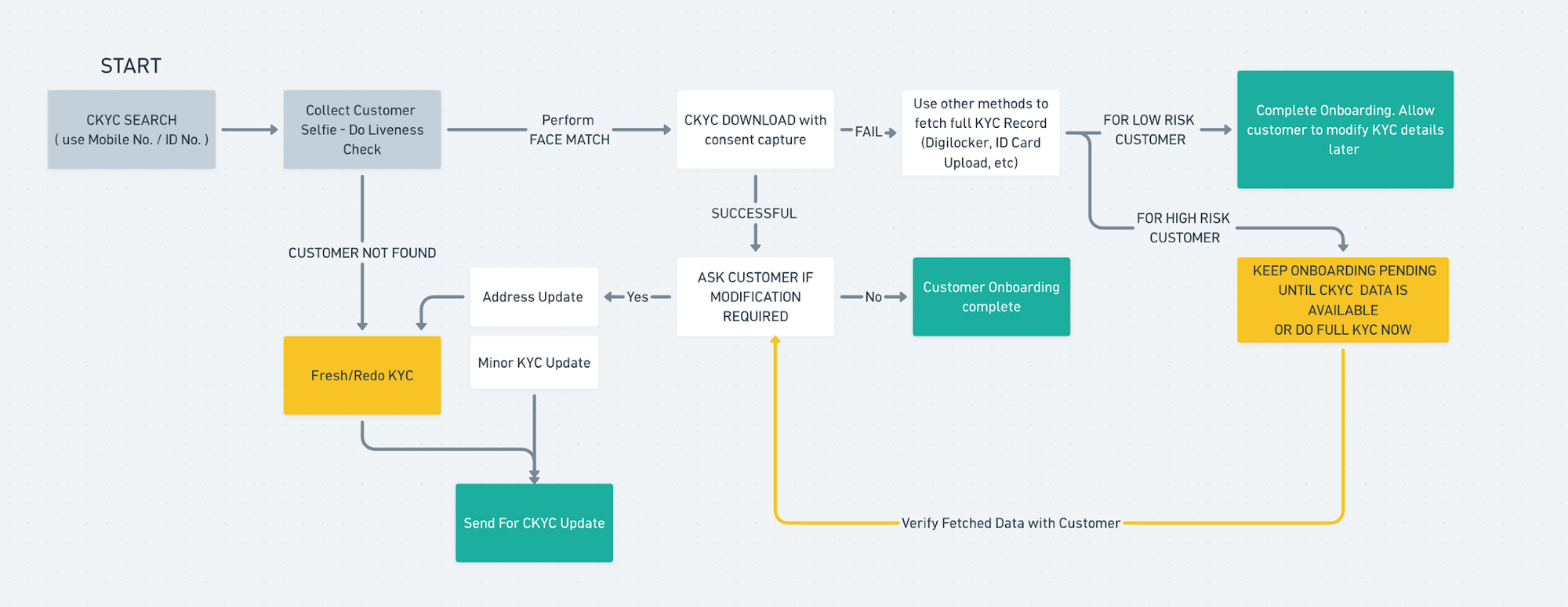
How to use CKYC properly
- Search the registry for an existing record using the customer's CKYC Identifier (or PAN). If one exists, there's no need to re-collect documents. Search provides a photograph.
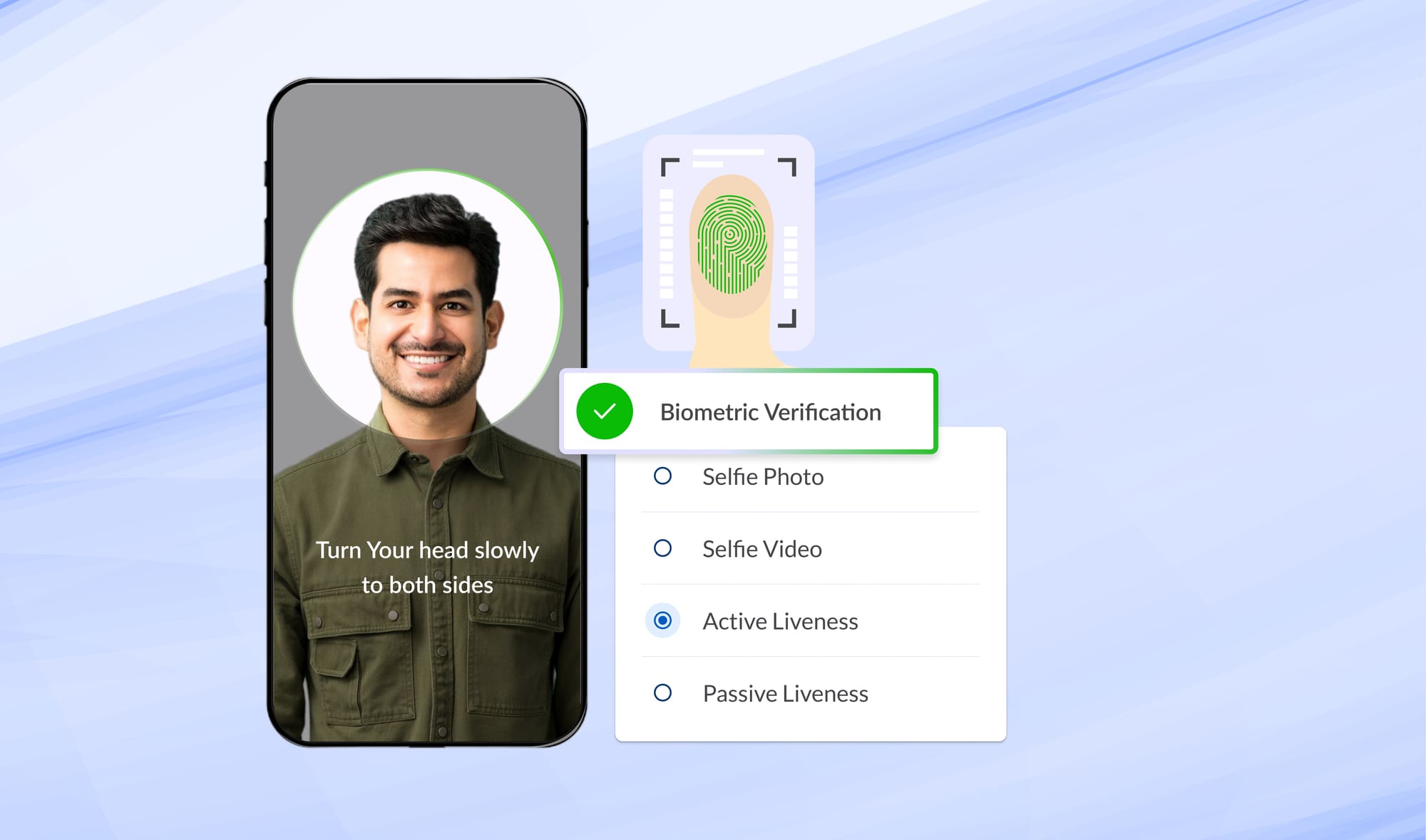
- Bind the live customer to that record with liveness and a face match against the CKYC photo.
- Capture the customer's consent to pull the record, as the regulator requires.
- Retrieve the pre-verified records in seconds, and treat them as the source of truth.
- If no record exists or it's stale, complete fresh KYC and upload the new record back to the registry, so the next firm can rely on it.
How Digio helps with CKYC -
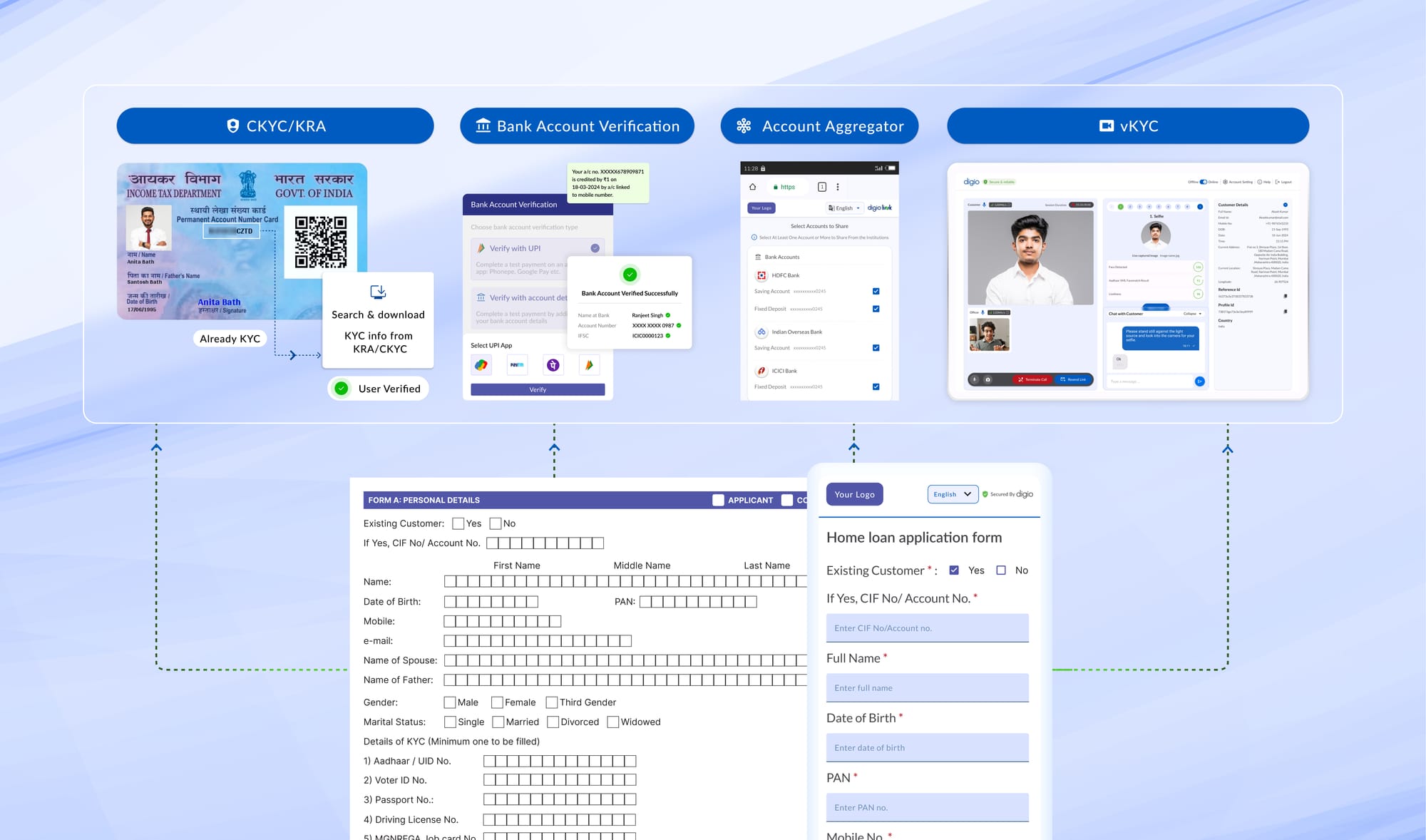
- A single API to search and retrieve CKYC records. Digio handles the CKYCRR/CERSAI integration, formats, and authentication.
- Built-in consent capture and a full audit trail.
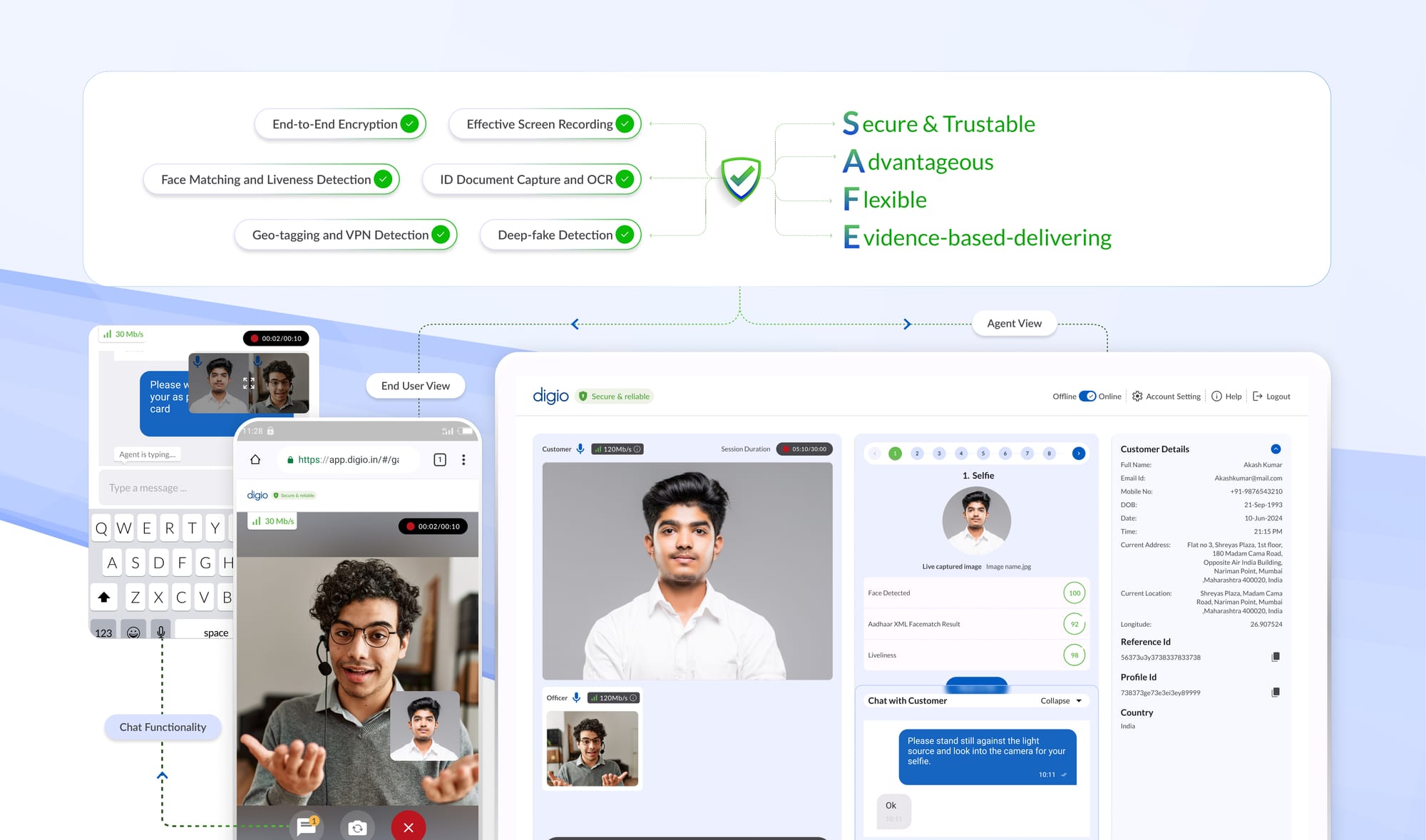
- Face match plus liveness against the CKYC photograph, tying the record to a real, present person.
- Graceful fallback: when CKYC has no record, or it's outdated, Digio runs its AI document checks and re-verification, and can push a clean record back.
- Handles the messy edges (stale records, duplicates, failed pulls) so CKYC reliance actually works in production.
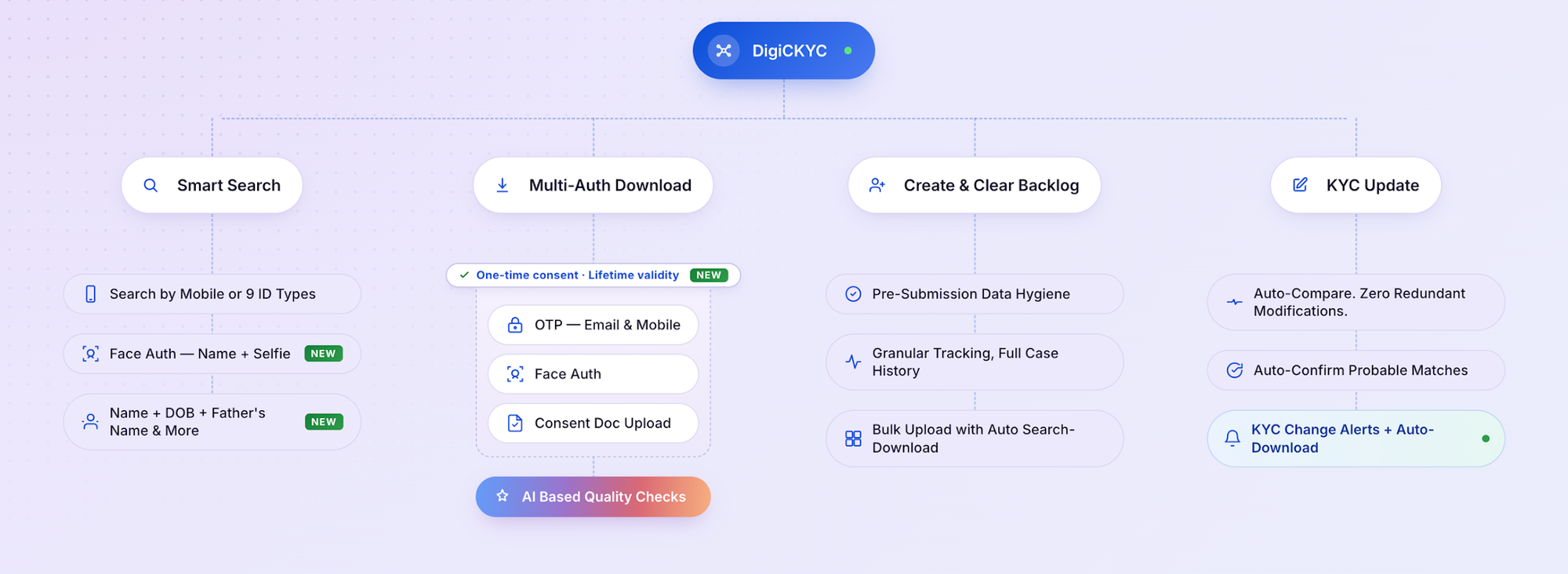
In short, India built a reusable, regulator-grade identity, then kept defaulting to plain ID-card OCR with no fraud checks and CKYC unused. The tools to fix it already exist; the job is to stitch them into one flow.
Read more Blogs
Building the Data Protection and Consent Infrastructure for GFF 2026
As Official Data Protection & Consent Partner for GFF 2026, Digio uses CoTrust to deliver localised, tamper-proof consent, cookie management and privacy workflows at scale.
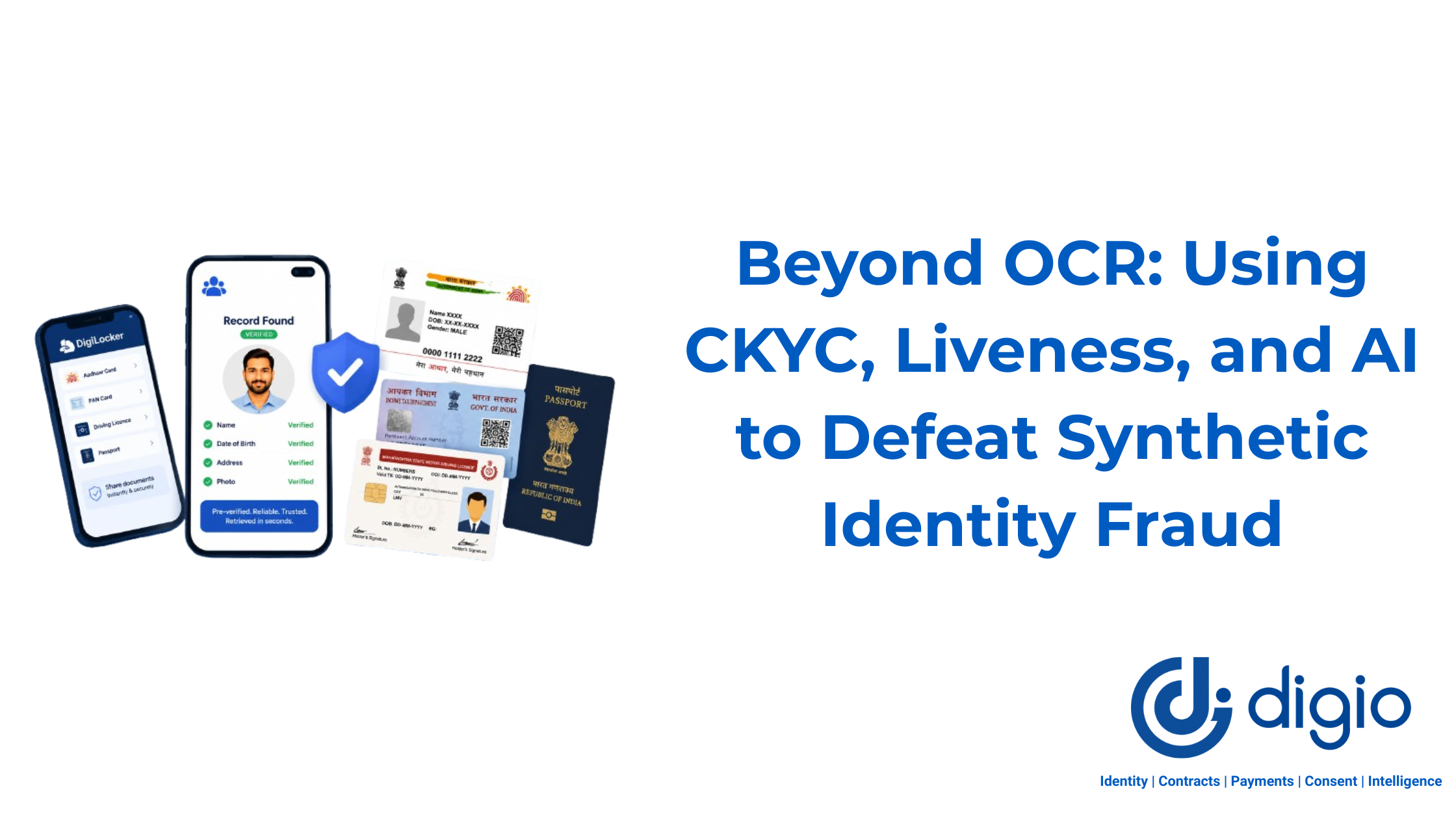
AI, CKYC, and The Future of Identity Rails
India’s CKYC registry holds 1B+ verified identities, yet many lenders still use OCR-only ID checks. Digio combines CKYC, liveness, face match, and AI forgery checks into one fraud-proof flow.
Cross-Border Data Transfers After DPDP: A Practical Guide
India’s Digital Personal Data Protection Act, 2023 (DPDPA) allows cross-border data transfers by default. This blog explains Section 16, where RBI and SEBI override DPDPA flexibility, and why consent notices, transfer disclosures, and offshore vendor contracts now matter operationally.



Digitally transform business operations with Digio!
Try first. Subscribe later.
Boost your legal ops efficiency by 80%
Learn how Digio can enhance your business productivity
Get 1-on-1 business use case solutioning
Speak with our business consultants to get a solution walkthrough for your business requirement
Test the APIs
Let your development team test our API suite to understand configurability and product integration
Subscribe
Get the best in industry commercials for your business usecase