vKYC: Conquer the Paperless and Presenceless frontier with proofs
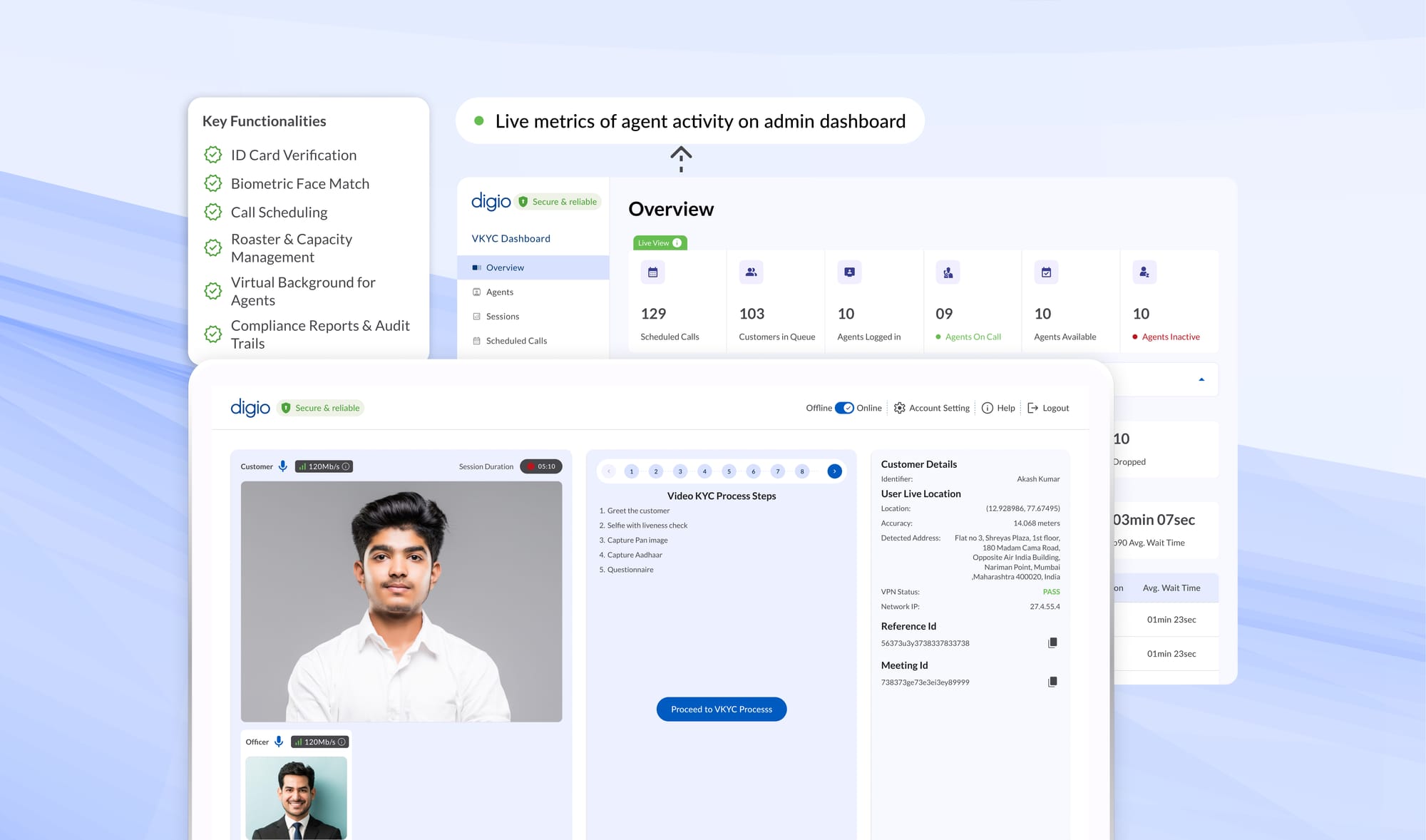
As India’s fast-evolving economy becomes increasingly digital, businesses are looking for seamless, straight through customer onboarding experiences. Customers, regulators and businesses have quickly realized the benefits of vKYC as a fast, efficient, and secure methodology.
As India’s fast-evolving economy becomes increasingly digital, businesses are looking for seamless, straight through customer onboarding experiences. This has seen high levels of adoption across the highly regulated industries such as banking and finance. India’s vast, widespread and diverse population presents unique challenges, such as internet connectivity, esp. in rural areas, quality of mobile cameras and level of tech. literacy. Regulators and businesses have quickly realized the benefits of Video Know Your Customer (vKYC) based solutions and its promise of a fast, efficient, and secure methodology.
The Evolution of KYC in India
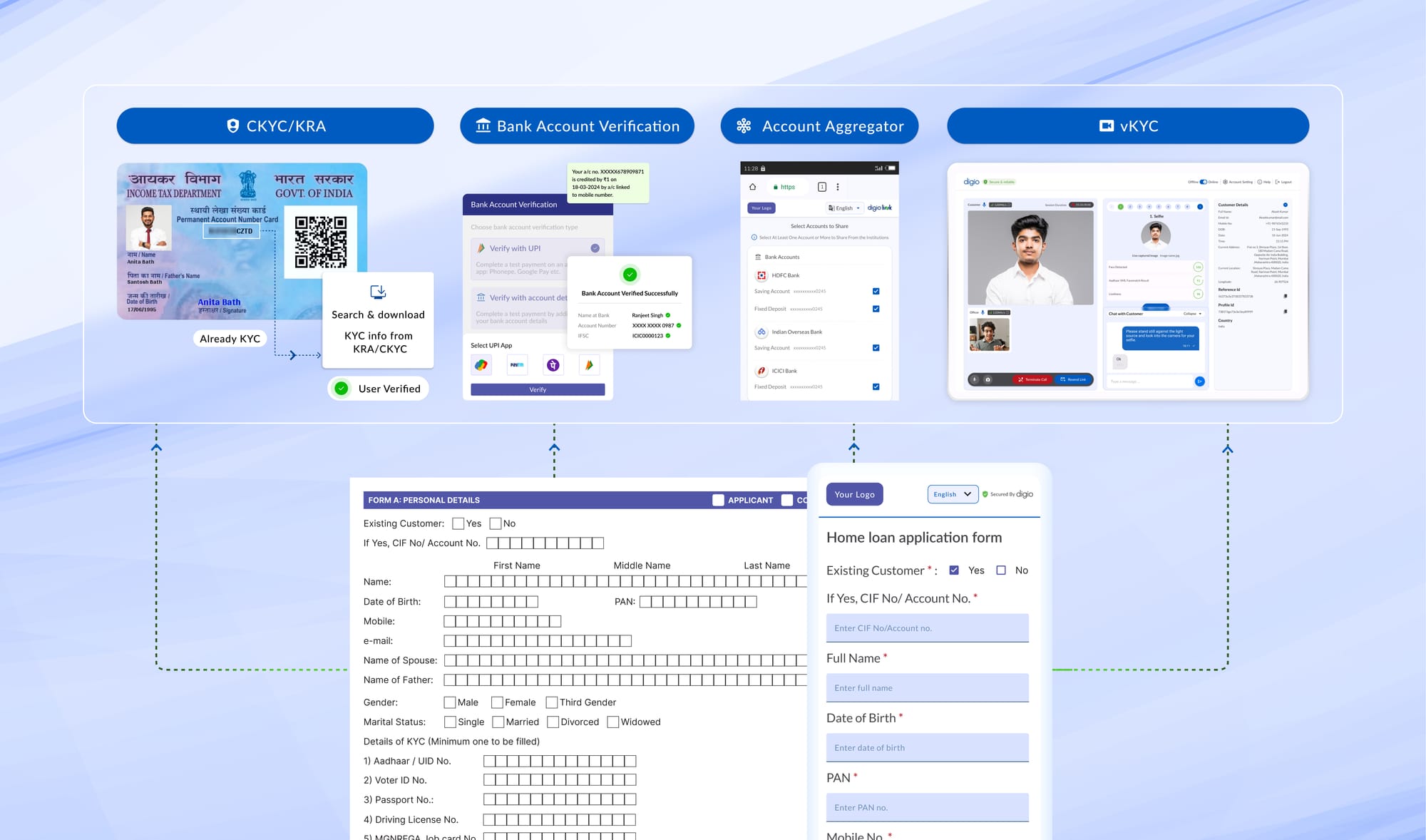
In India, KYC (Know Your Customer) has long been a regulatory requirement mandated by the Reserve Bank of India (RBI) and other governing bodies to ensure that financial institutions can verify their consumer’s identities, prevent money laundering, fraud, or other illicit activities. Traditionally, KYC in India required businesses to open physical branches across this huge geographical span. Consumerss had to visit these centers, wait in queues, photocopy tons of documents and submit them. The process was anything but slow, time-consuming and inconvenient.
Next came eKYC, which allowed consumers to complete the onboarding process digitally from the comfort of their homes. eKYC drove the next wave of adoption over the last decade and it leveraged the identity layer of Aadhaar authentication. However, it still had limitations esp. when dealing with low network speeds, or low quality mobile phones and when enabling AI/ML based enhanced technologies. The biggest challenge however was associated with the lack of human interaction and the agent’s hunch about the validity of the transaction. This was aggravated with the wide-spread of the Covid pandemic.
In 2020, the Reserve Bank of India (RBI) approved vKYC– an innovative solution that uses video-based verification to simplify the process further. This ensures that businesses can verify their consumer’s identity, cross-check documents, apply facial recognition technology, and bring back the human element in this live presenceless interaction.
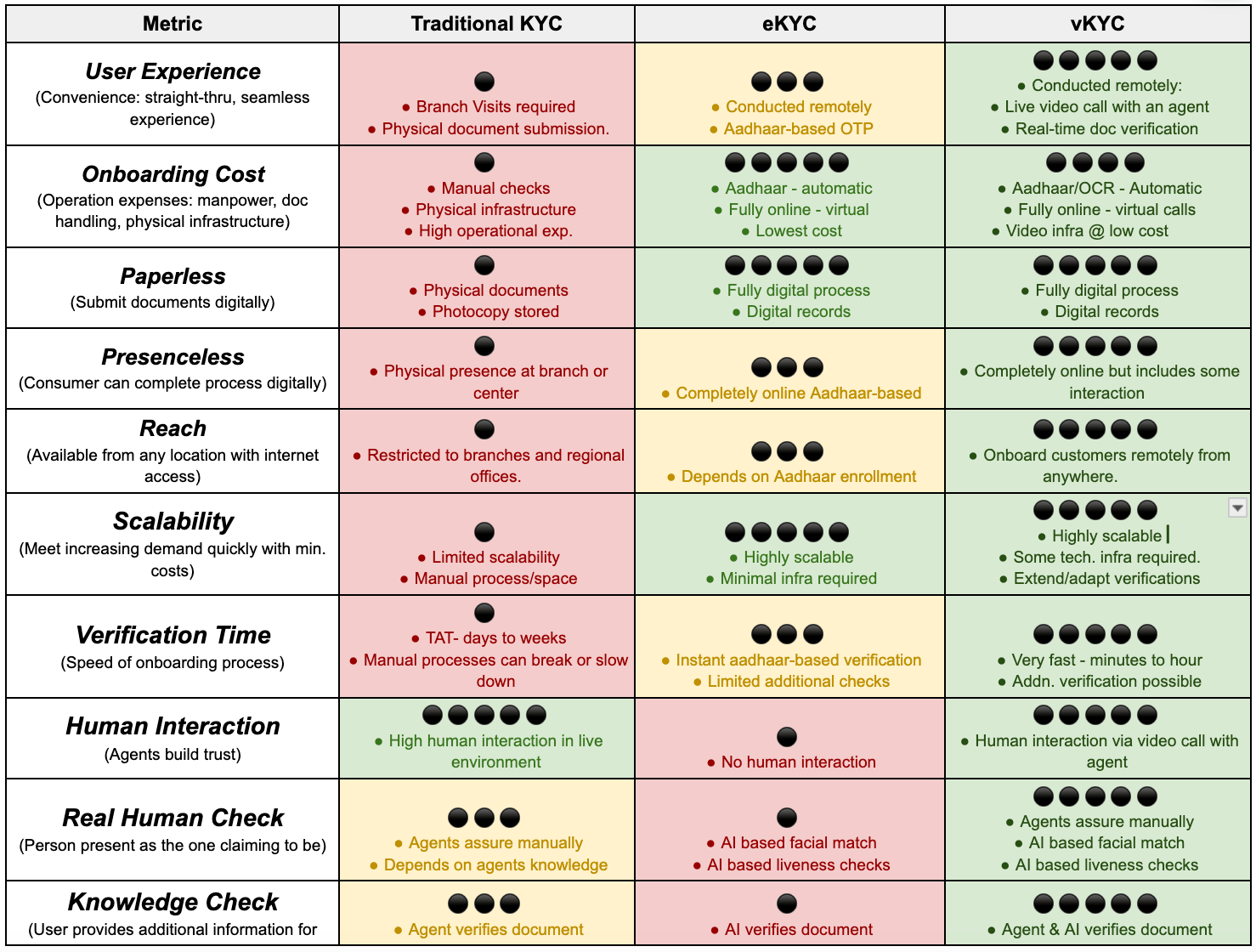
Differences between vKYC, eKYC and traditional KYC
vKYC combines the benefits of traditional in-person KYC with those of eKYC.
Why vKYC is a Game-Changer in India
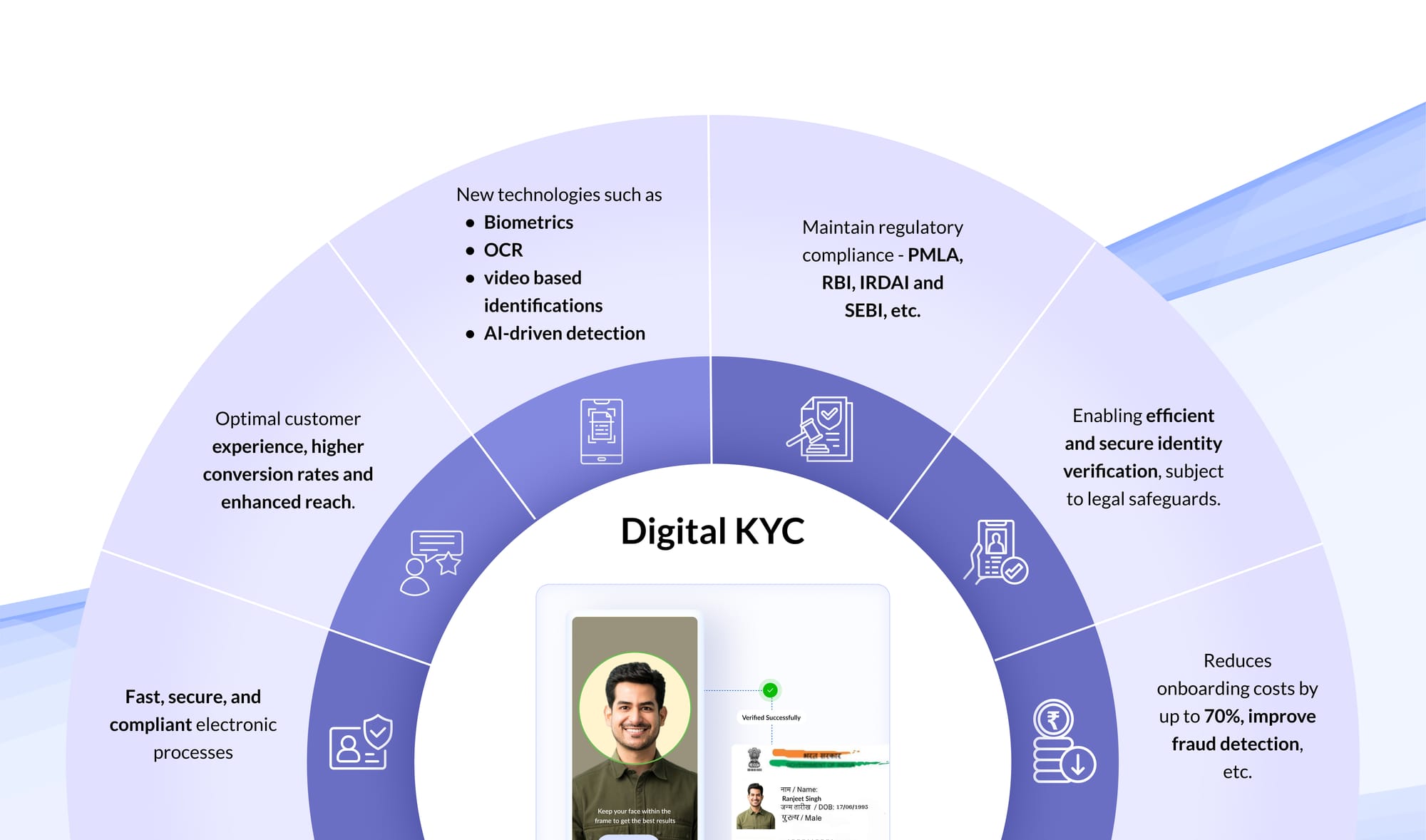
vKYC allows businesses to easily onboard consumers, serve them remotely from operational centers, while managing costs and addresses all the critical challenges. Here’s how:
1. Reach Remote Areas: Businesses can serve consumers in remote locations, one just needs a smartphone with internet access, vKYC eliminates the need for branch visits.
2. Fast and Convenient: Compared to traditional methods which took days or weeks, vKYC can be completed within minutes or as long as the call requirements are met, improving consumer satisfaction and boosting conversion rates.
3. Cost effective: Operational costs associated with physical verification, paperwork, and branch management can all be eliminated making it an affordable alternative to scale consumer onboarding and servicing processes.
4. Regulatory Compliance: RBI’s vKYC ( or V-CIP) guidelines ensure the tools available in the market offer secure, verifiable consumer interactions and allow businesses to remain compliant.
5. Fraud Prevention: Live video interaction and advanced AI technologies like facial recognition, liveness checks make it easier for fraudulent activities to be detected.
What are the Regulatory Guidelines for vKYC in India
The Reserve Bank of India (RBI) has laid out specific guidelines to ensure that vKYC is conducted securely and in compliance with regulatory standards. These requirements are designed to maintain the integrity of the verification process while facilitating remote consumer onboarding. Below are the primary challenges for vKYC which RBI has set the guidelines for:
- Secured Technology Infrastructure:
- The vKYC process must be conducted through a secured network controlled by the regulated entity (RE). The infrastructure should ensure end-to-end encryption between the customer’s device and the application server to protect customer data.
- The system should block connections from IP addresses outside of India and prevent access to spoofed IP addresses. Data servers must be located in India, and all vKYC records must be securely stored in an encrypted format.
- Real-Time Video Interaction:
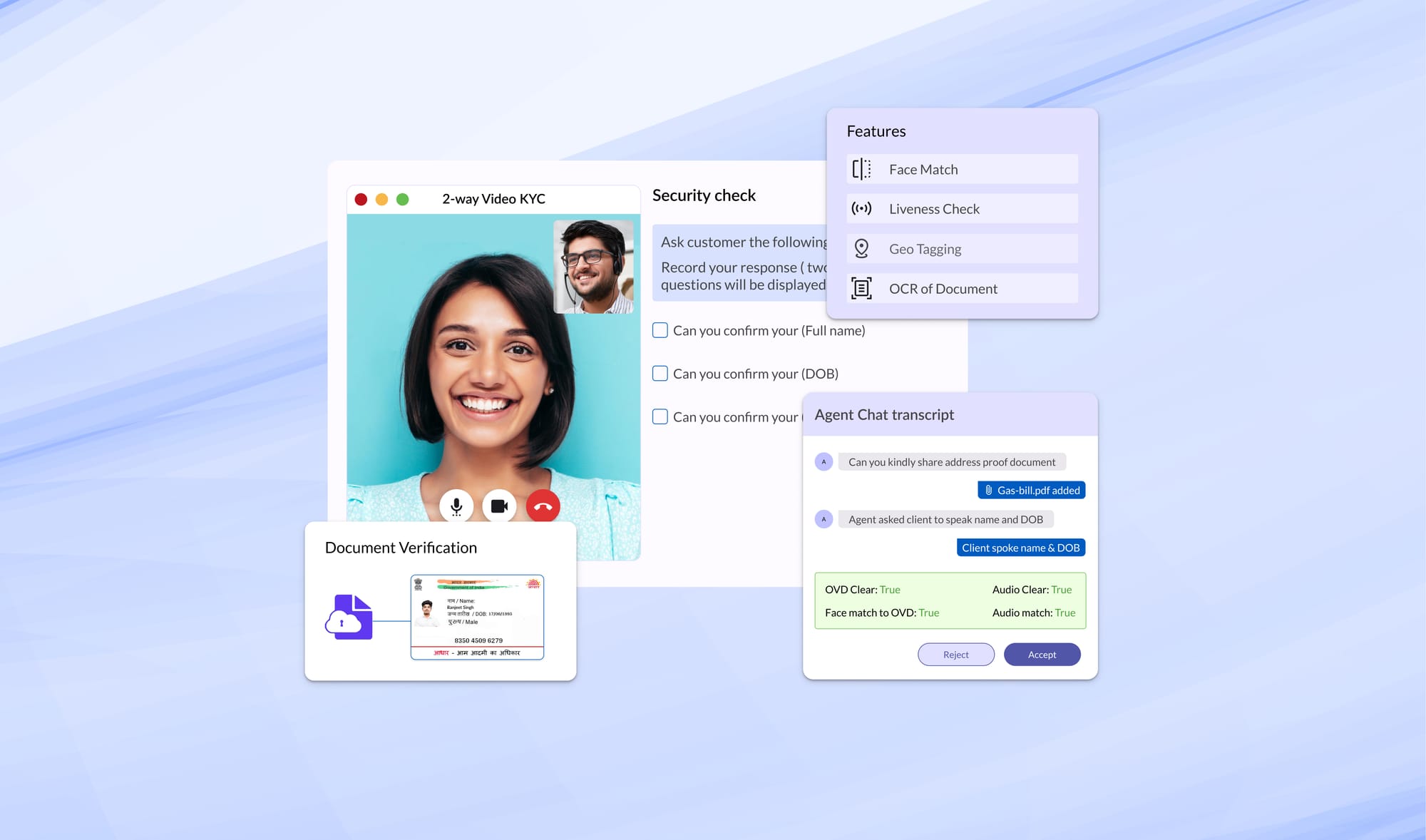
- The vKYC process must involve a live, real-time video interaction between the customer and an authorized official. The official is responsible for verifying the customer’s identity and ensuring that no pre-recorded videos or fraudulent activities occur during the session.
- Randomized questions can be used to ensure the customer’s liveness, and any signs of suspicious behavior, such as prompting or manipulation, should result in immediate termination of the session.
- The video interaction must include live GPS coordinates (geo-tagging) and timestamps to ensure that the customer is within India and that the session is conducted in real-time.
- Document and Identity Verification:
- The customer’s identity must be verified using government-issued Officially Valid Documents (OVDs) such as PAN, Aadhaar, KYC records from the CKYC, or equivalent e-documents via DigiLocker.
- The system must utilize facial recognition technology with liveness/spoof detection to match the customer’s live image with the documents submitted.
- Any disruption, such as pausing or reconnecting, should not result in multiple video files. However, if the call drops or disconnects, a new session must be initiated.
- Concurrent Audits and Data Security:
- The vKYC process must undergo a concurrent audit before the account becomes operational. All video recordings, along with relevant data, must be securely stored and auditable to ensure full compliance with RBI guidelines.
How a vKYC Platform can meet Regulatory Requirements
The success of a vKYC platform depends on its ability to meet stringent guidelines set by regulatory authorities. A well-designed platform ensures a seamless and compliant customer onboarding experience while safeguarding data security and fraud prevention. Here’s how an advanced vKYC platform can fulfill the RBI’s requirements:
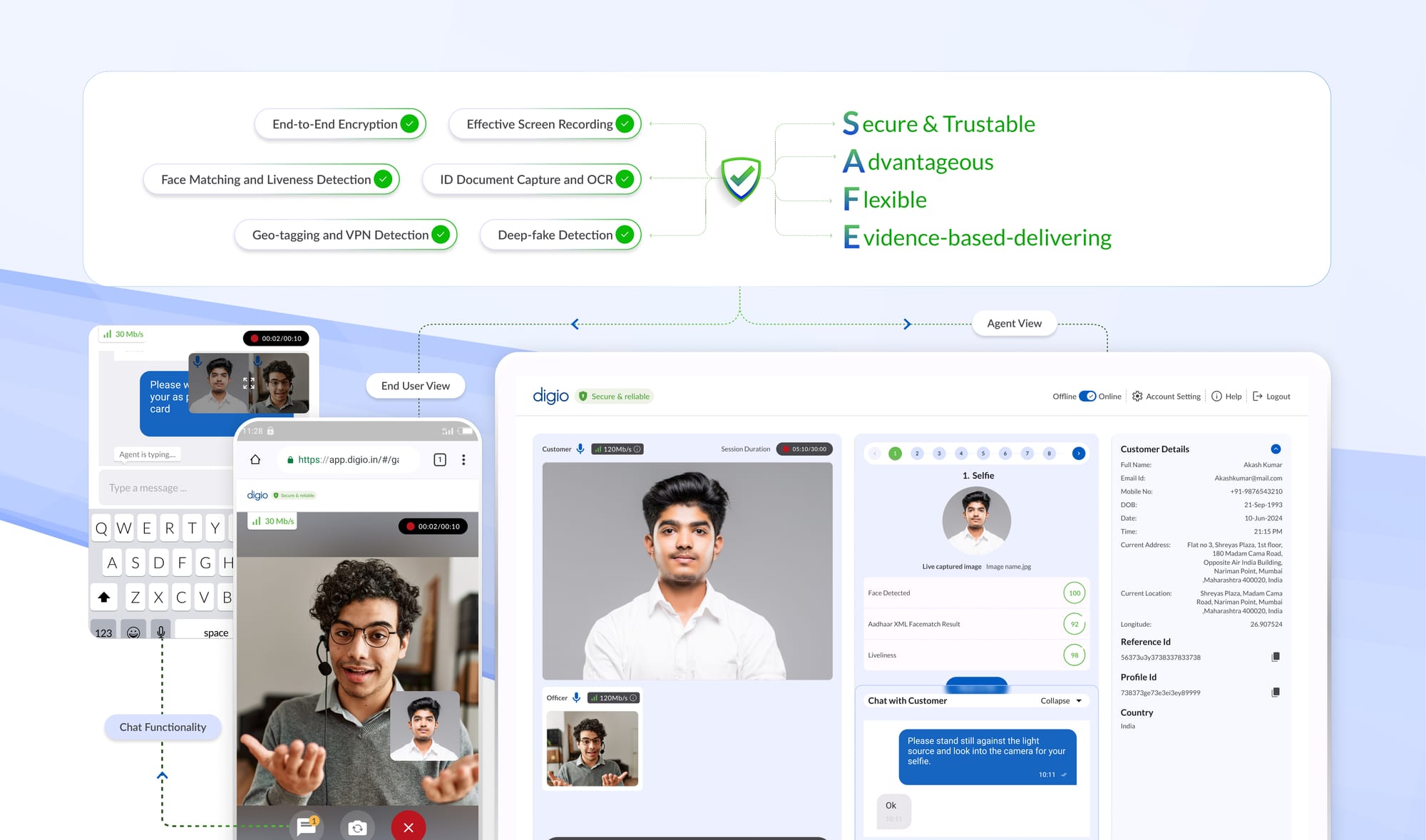
- Initiating vKYC: The platform facilitates a smooth initiation of the vKYC process by sending an easily accessible link to the customer. Using this link, customers can securely join the video call with the assigned KYC officer. This ensures a quick, hassle-free connection with minimal customer effort, improving onboarding speed and user experience.
- Blocking connection: The platform ensures compliance by utilizing advanced IP filtering mechanisms. These filters block connections from locations outside India or from spoofed IP addresses, protecting the integrity of the session. Additionally, businesses can configure the platform to block connections from specific blacklisted locations or pin codes, providing an extra layer of control over the session’s security.
- Capturing Geo-location: The platform automatically captures the real-time geo-location (GPS coordinates) of the customer during the session, including latitude, longitude. In addition, the platform conducts a VPN check to ensure that the customer is not masking their location through a VPN or proxy service.This further enhances the reliability of the geo-location data by verifying the customer’s true location, preventing any attempts to bypass location-based regulations.
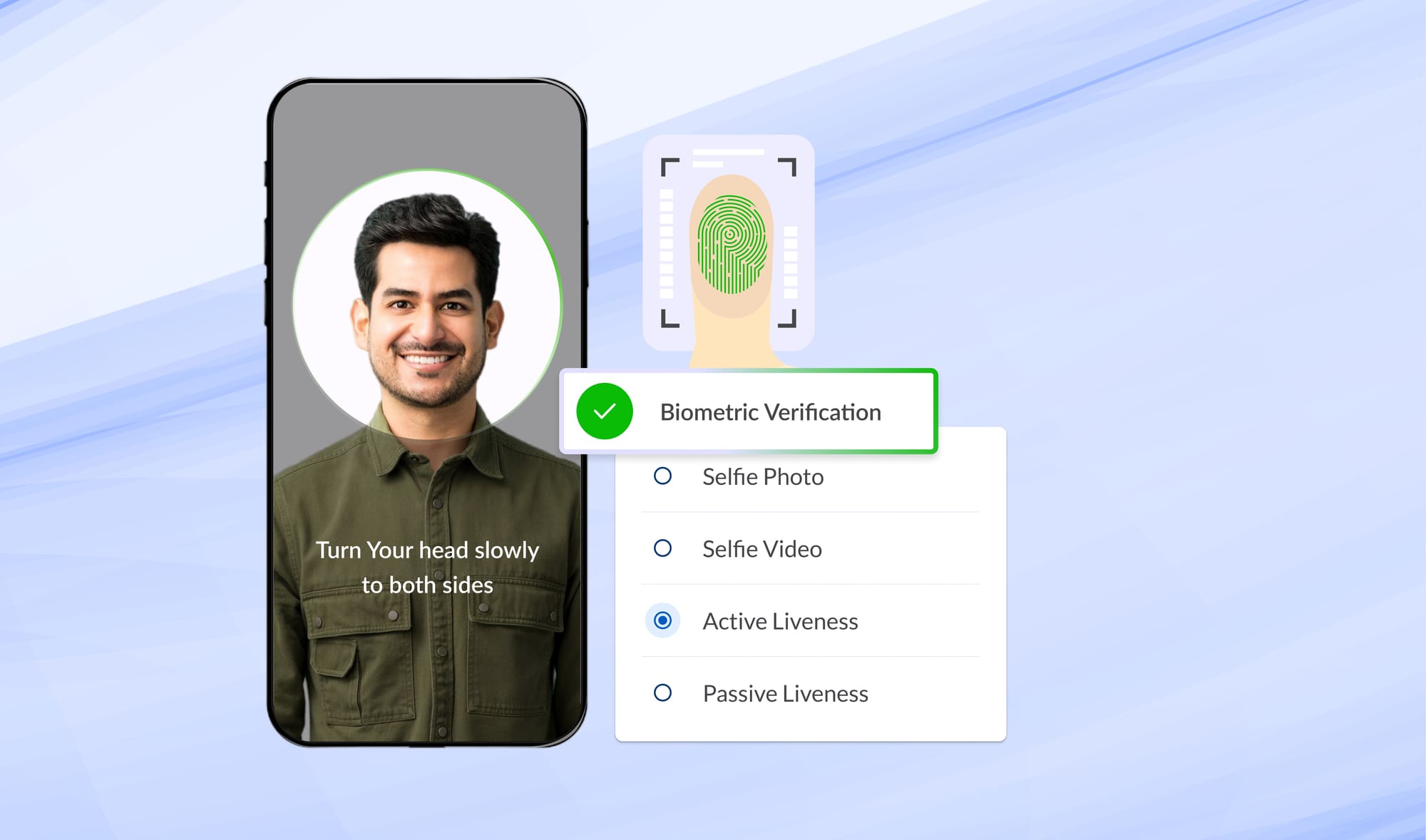
- Live Identity Verification: The platform incorporates liveness detection technology using machine learning (ML) algorithms and randomized questions, to confirm that the person on the call is physically present and not using pre-recorded videos or fake identities. Businesses can configure these questions based on customer information or use randomly generated codes, ensuring the process is robust and flexible enough to meet different verification needs.
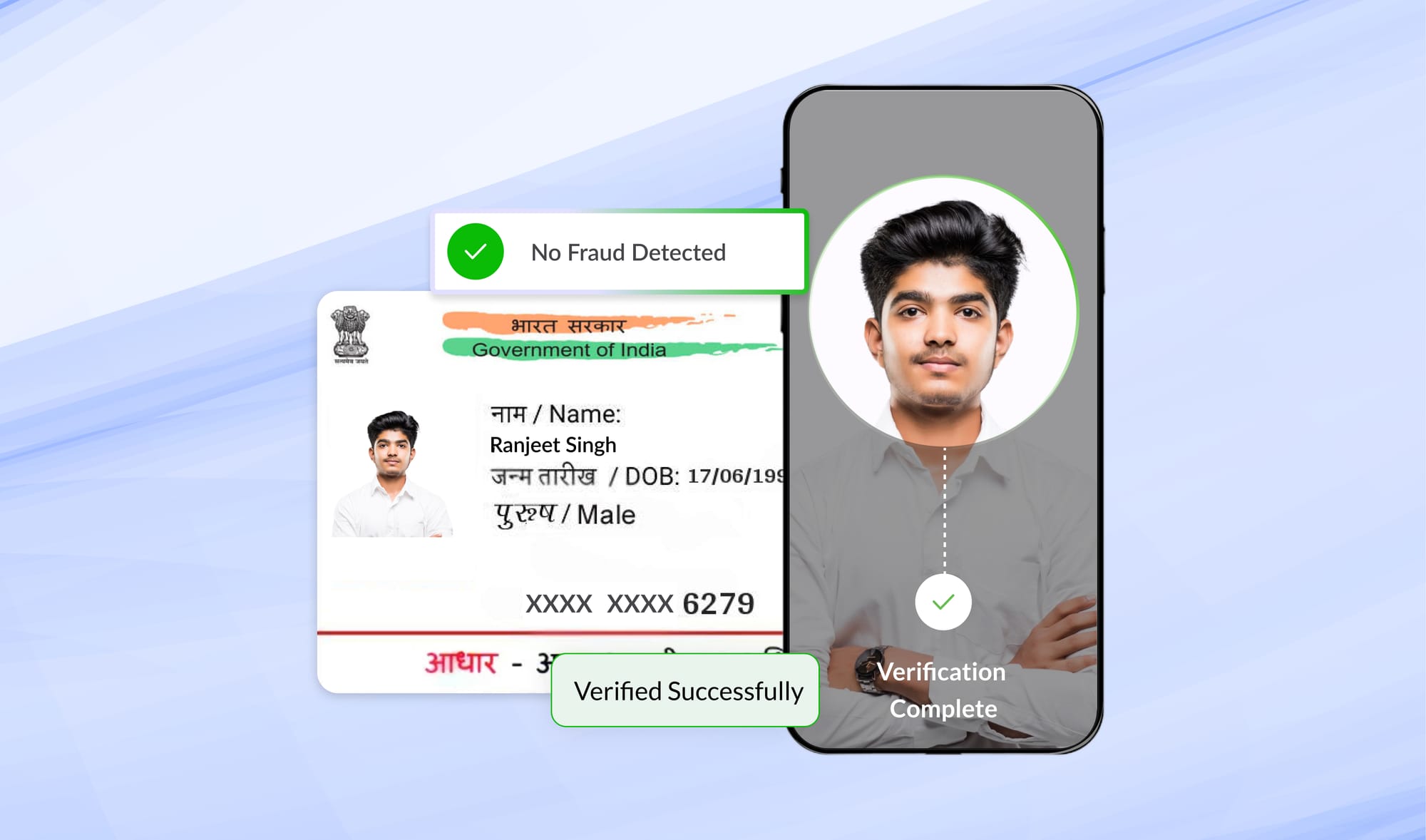
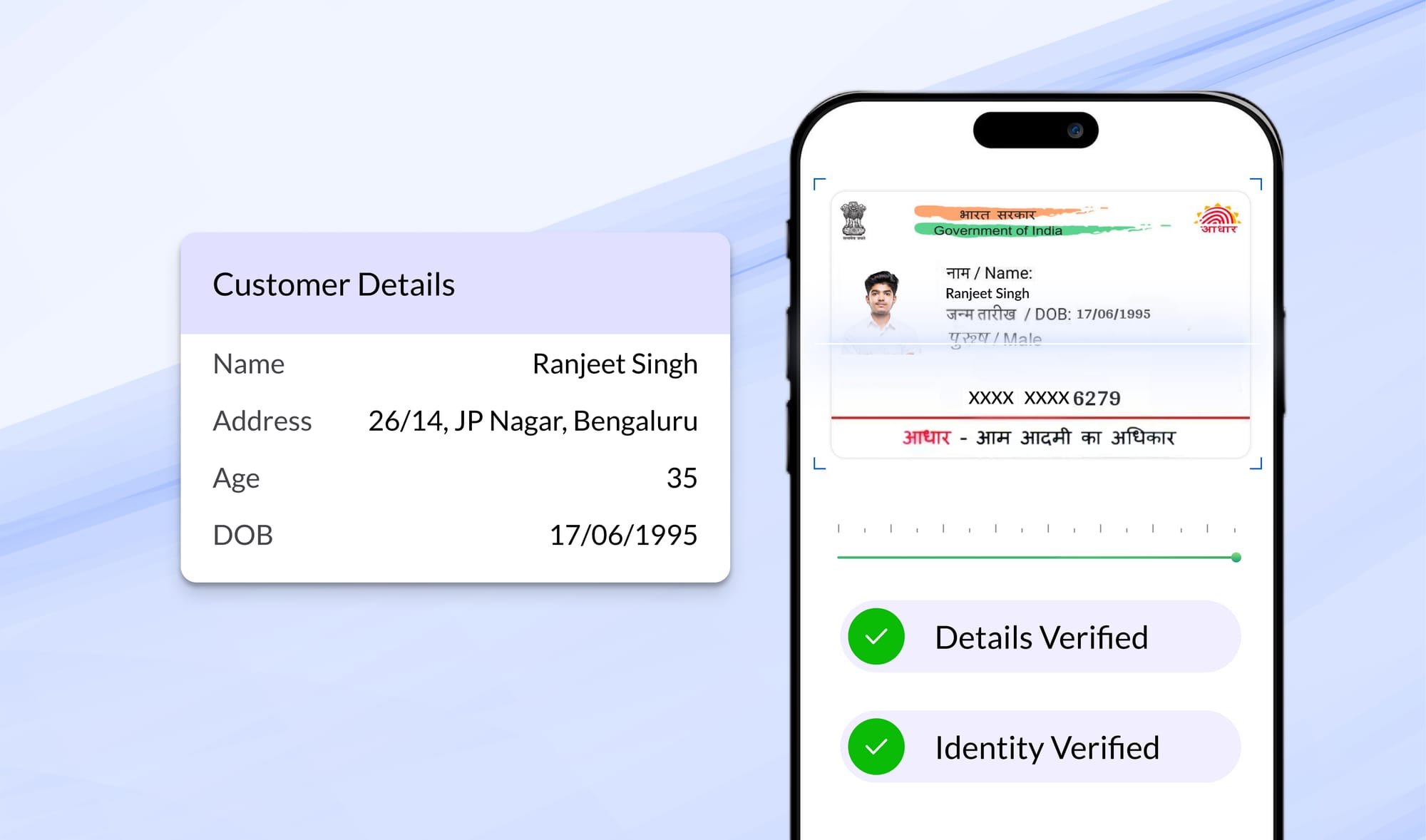
- Identity Verification: The platform supports multi-document verification, allowing customers to submit government-issued Officially Valid Documents (OVDs) such as PAN, Aadhaar, etc. The platform ensures that these documents are verified in real time, cross-referencing with issuing authorities to confirm their validity.In addition, the platform incorporates advanced facial recognition technology, including face match, which verifies that the person conducting the vKYC session is the same as the person in the submitted documents. By matching the customer’s live image with their document photo, the platform ensures the authenticity of the individual, reducing the risk of identity fraud and ensuring regulatory compliance.
- Audit Trail & Data Security: The platform automatically maintains a comprehensive audit trail for each session, including video recordings, customer responses, document submissions, and system logs, ensuring that all sessions are auditable for regulatory checks.The platform also incorporates a maker-checker process, it ensures that every vKYC session undergoes a dual-level verification: one individual (the “maker”) initiates and completes the session, while a second individual (the “checker”) verifies the accuracy and completeness of the session before it is approved.Furthermore, all video recordings and related data are stored in encrypted format on servers located in India, meeting the RBI’s data localization and security guidelines
Industries Embracing vKYC in India
Several businesses in India have quickly adopted vKYC, thanks to its advantages:
- Banking and Finance: use vKYC to onboard customers. vKYC also allows banks and financial institutions to remotely serve their consumers for high-
- Fintech: embraced vKYC to provide products and services such as digital wallets, online lending, and investment platforms.
- Insurance: utilize vKYC for policy issuance and customer verification.
- Other Industries: Opportunity to learn and benefit from it: Apart from banking, finance and insurance sectors, vKYC can benefit a variety of industries, enhancing efficiency and security. There are multitude of use-cases around customer onboarding and services across telecommunications, telemedicine, healthcare, and real estate platforms. We also believe there are opportunities across e-commerce, remote education platforms to verify and safeguard high-value interactions. Reach out to us
Conclusion: Future of vKYC in India
The adoption of vKYC in India is poised to grow, especially as the country continues to push toward greater digitalization across industries and customers demand for instant gratification. Additionally, advancements in AI, biometrics, and video analytics will continue to enhance the vKYC process, making it even more secure, efficient, and user-friendly. For businesses, it’s not just an option—it’s an opportunity to achieve scale, reach and remain competitive.
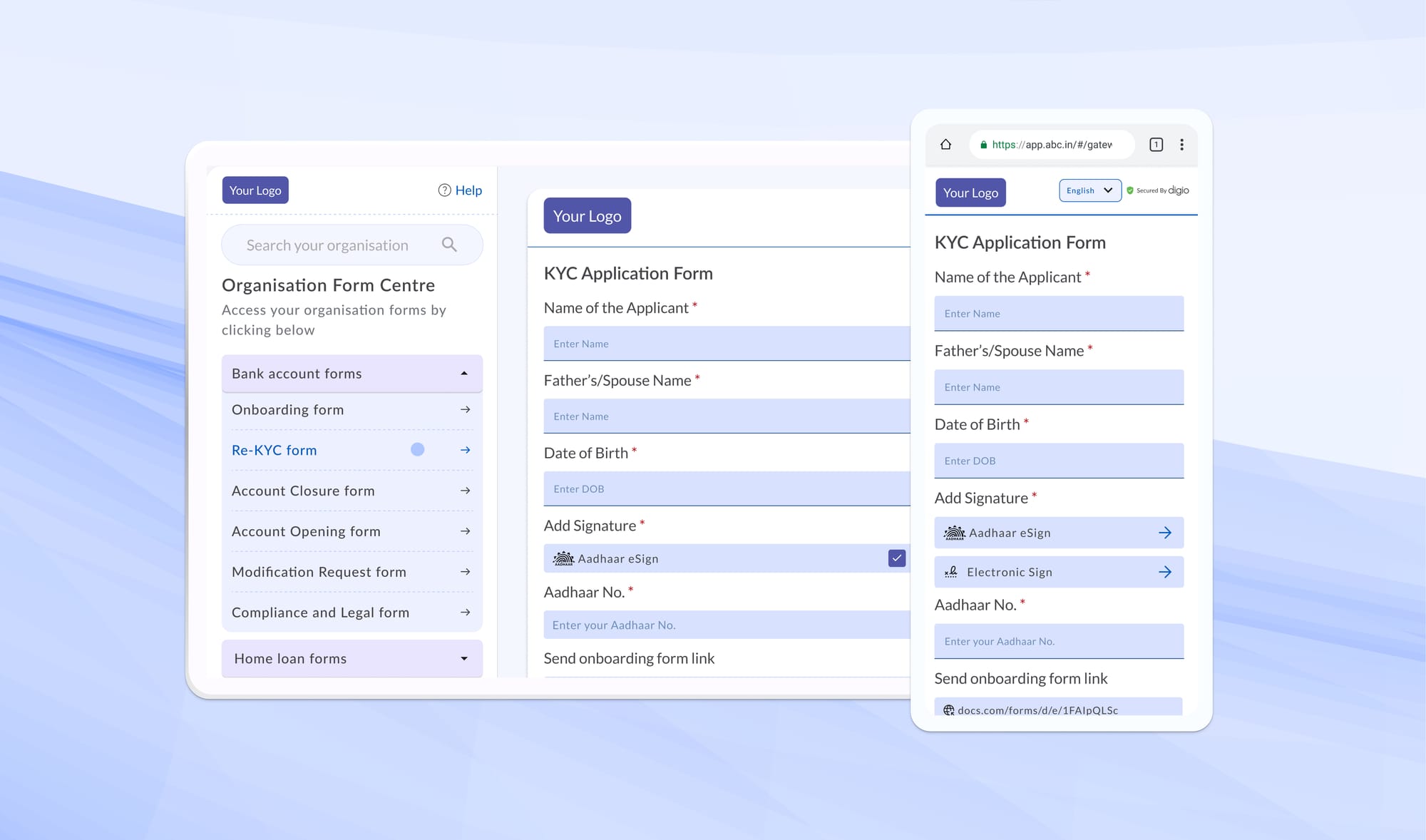
Digio’s vKYC platform is a complete customisable solution designed for businesses to scale, manage costs, and enhance customer experience. It leverages an end-to-end verification suite and a no-code/low-code workflow builder, which allows us to create customized journeys for a seamless and compliant onboarding process.
Want to see how our solutions can transform your business? Reach out to us on BD@digio.in or Support@digio.in to know more or test our APIs !
Read more Blogs
DPDP Consent Management: What Every Data Fiduciary Must Know in 2026
How DPDP consent management works: consent capture, lifecycle, consent managers, and what data fiduciaries must implement before May 2027.
DPDP Compliance Platform: Complete Guide for Indian Enterprises (2026)
Everything Indian enterprises need to know about choosing a DPDPA compliance platform: features, deployment options, timelines, and penalties. Updated for 2026.
DPDP Compliance for Banks: A CISO's 90-Day Roadmap
Indian banks sit at the intersection of two regulatory forces: the Reserve Bank of India's Data Governance Guidelines and the Digital Personal Data Protection Act, 2023. With full DPDPA enforcement beginning May 13, 2027, and penalties reaching ₹250 crore, banks face the highest compliance stakes of any sector. The challenge isn't just regulatory, it's operational. Banks handle tens of millions of data principals across dozens of digital properties (mobile apps, net banking, UPI, loan portals,


Digitally transform business operations with Digio!
Try first. Subscribe later.
Boost your legal ops efficiency by 80%
Learn how Digio can enhance your business productivity
Get 1-on-1 business use case solutioning
Speak with our business consultants to get a solution walkthrough for your business requirement
Test the APIs
Let your development team test our API suite to understand configurability and product integration
Subscribe
Get the best in industry commercials for your business usecase