Navigating SEBI Onboarding: Building a Compliant, No-Code Journey with DigiStudio
Understand the key steps and compliance checks involved in SEBI onboarding, and how DigiStudio helps create faster, smoother investor experiences.
The Indian retail investment landscape is exploding, thanks to digital journeys. Millions of these new investors are entering the market, and for SEBI-regulated entities like brokerage firms, mutual funds, and wealth management platforms, this presents a significant challenge: onboarding these users in a fast, seamless, and, above all, 100% compliant manner.
At Digio, this is more than just a business problem; it's a mission we've led from Day 1, which is why 55% of all demat and trading accounts in India are opened using Digio's platform.
This experience has given us a unique insight into the complexities of the SEBI onboarding journey. Today, we'll break down this journey. We'll walk through the essential steps, highlight the common challenges at each stage, and show you how, with our no-code workflow builder, DigiStudio, you can build a fully compliant and user-friendly onboarding flow in a matter of hours.
The SEBI Onboarding Journey: Steps & Common Challenges
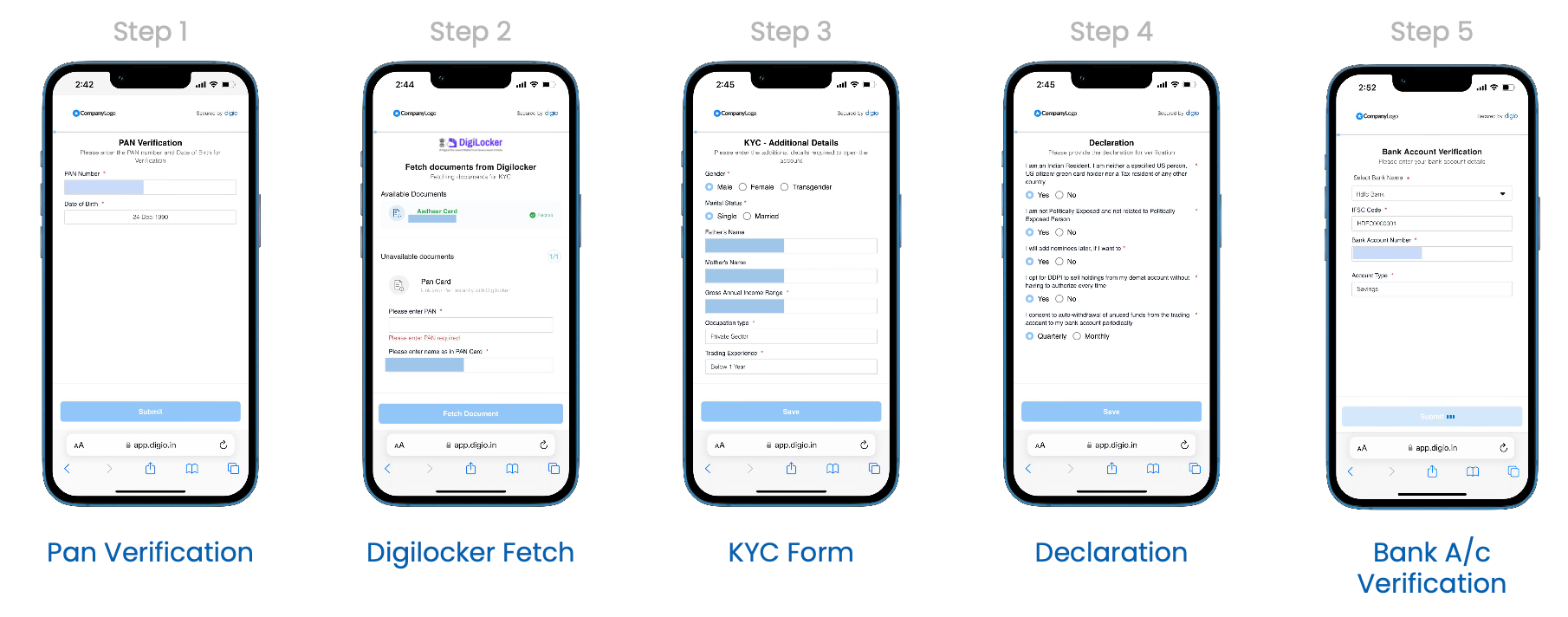
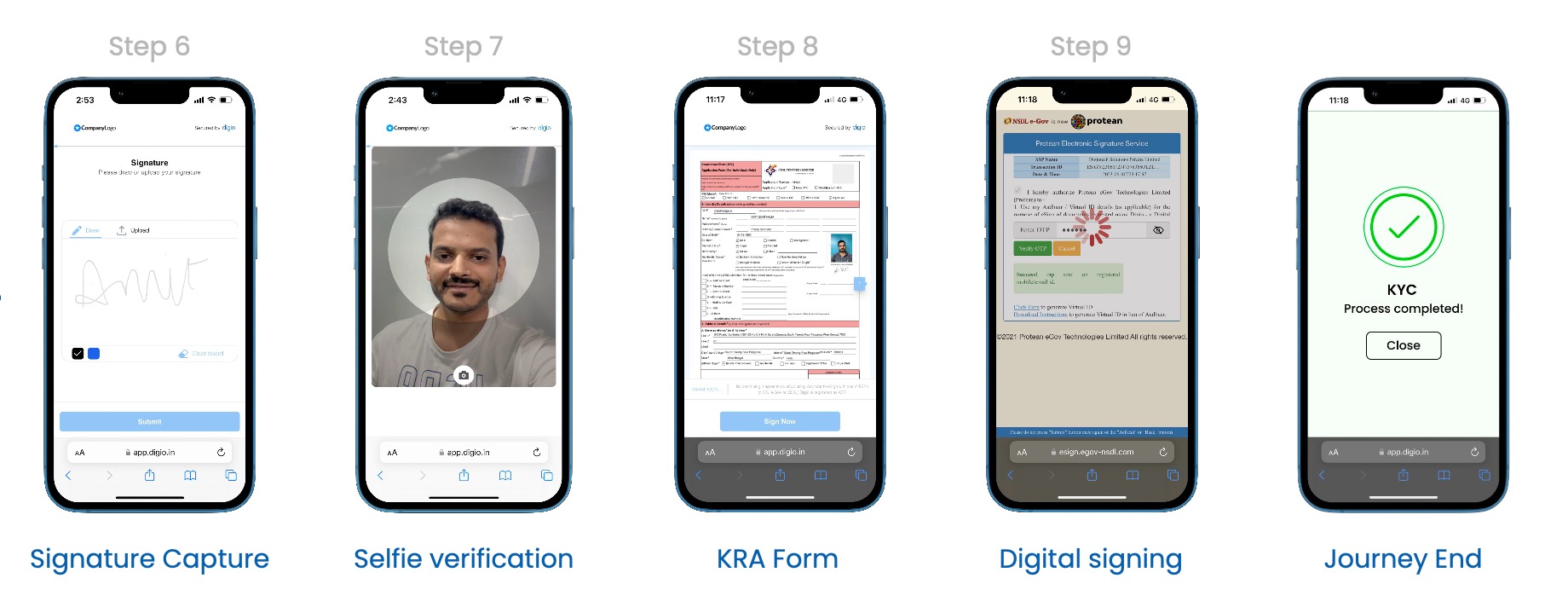
A SEBI-compliant onboarding process is a multi-stage funnel. Each step has a specific regulatory purpose that must be adhered to, and each presents a point at which a user can drop off.
Here’s a broad overview of the journey:
1. Initial Consent & Verification
- The Step: The journey begins by capturing the user's consent and verifying their identity via an OTP sent to their email and mobile number.
- The Common Challenge: This is the top of the funnel. Any delay in OTP delivery or a clunky UI can lead to an immediate user drop-off.
2. PAN & KRA Verification
- The Step: The user provides their PAN number and Date of Birth. The system must perform multiple backend checks: validate the PAN, check for PAN-Aadhaar seeding, and perform a check with the KYC Registration Agency (KRA) to see if the user is already KYC-compliant.
- The Common Challenge: Name mismatches. The name entered by the user might not match the name on the PAN card. This step also needs to validate if the user is a minor. Failures here often create a pending case that requires manual review, increasing your Turnaround Time (TAT).
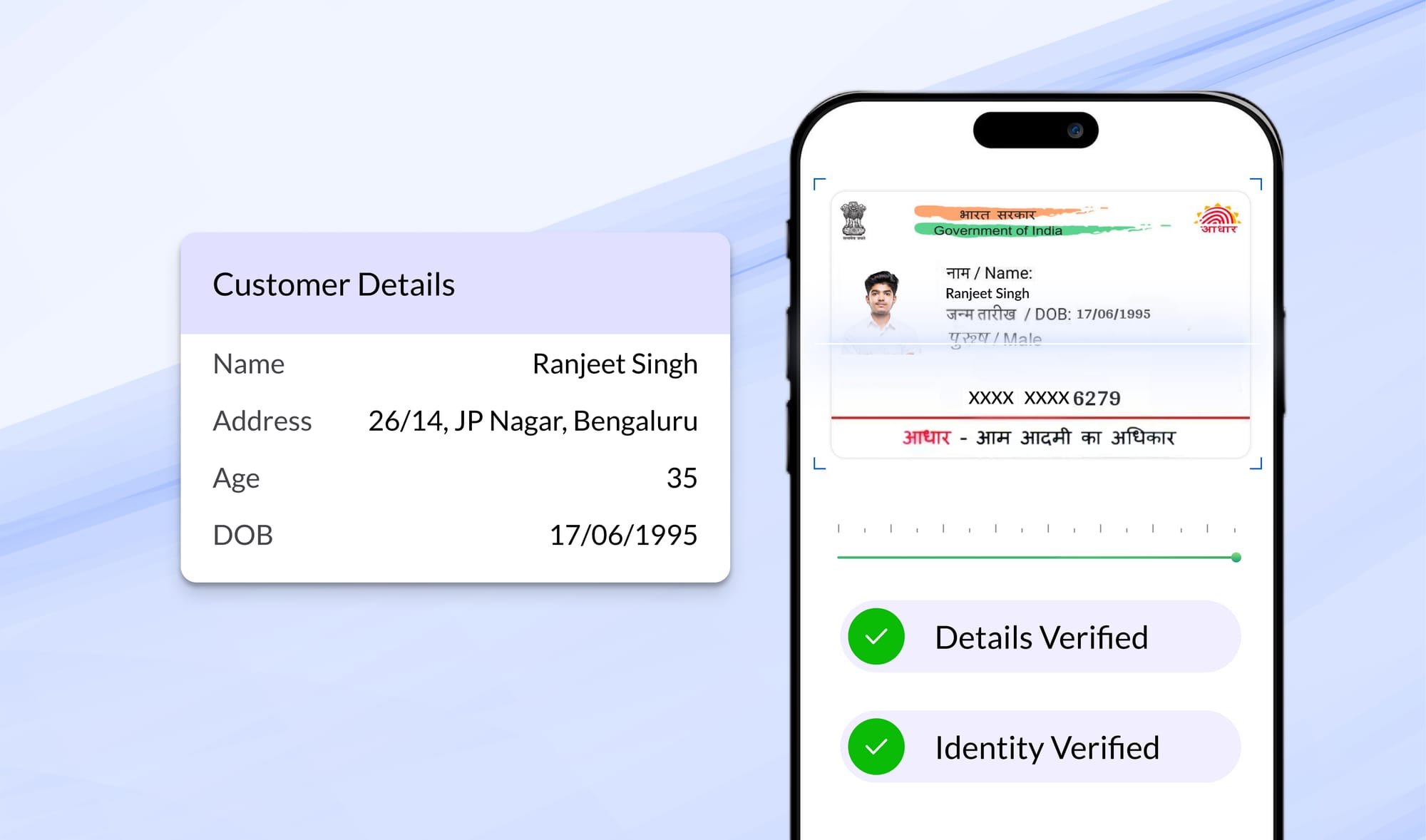
3. Proof of Identity & Address (KYC)
- The Step: This is the core of KYC. The golden path is through DigiLocker, where the user can consent to fetch their Aadhaar and PAN documents digitally. This is the fastest, most secure method.
- The Common Challenge: What if DigiLocker is down, or the user's documents aren't available? Your journey must be smart enough to handle this. You need a fallback journey that instantly pivots the user to a manual upload of their PAN card and Proof of Address, complete with OCR and verification. Without this, your onboarding process simply stops.
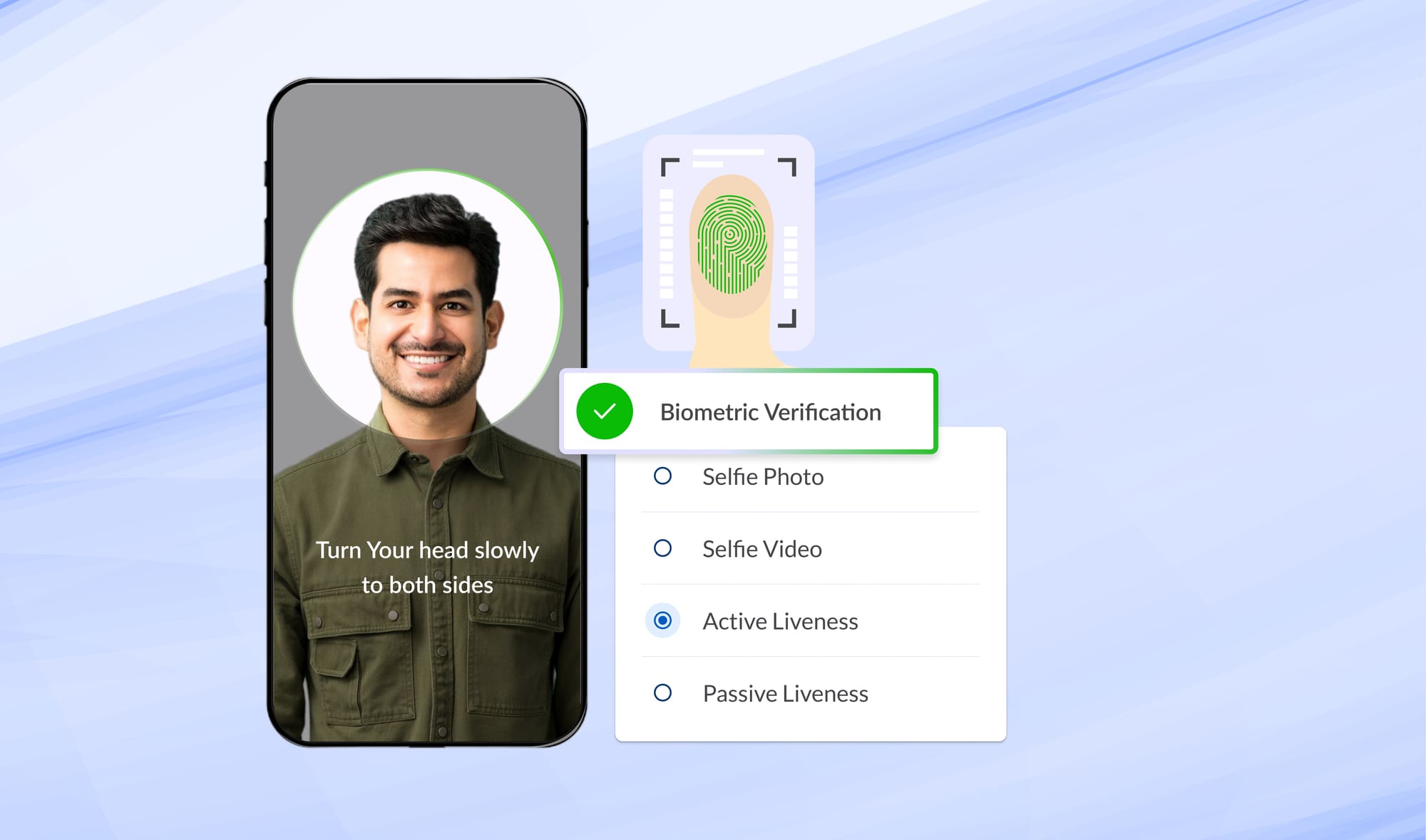
4. Liveness & Photo Verification (Selfie/IPV)
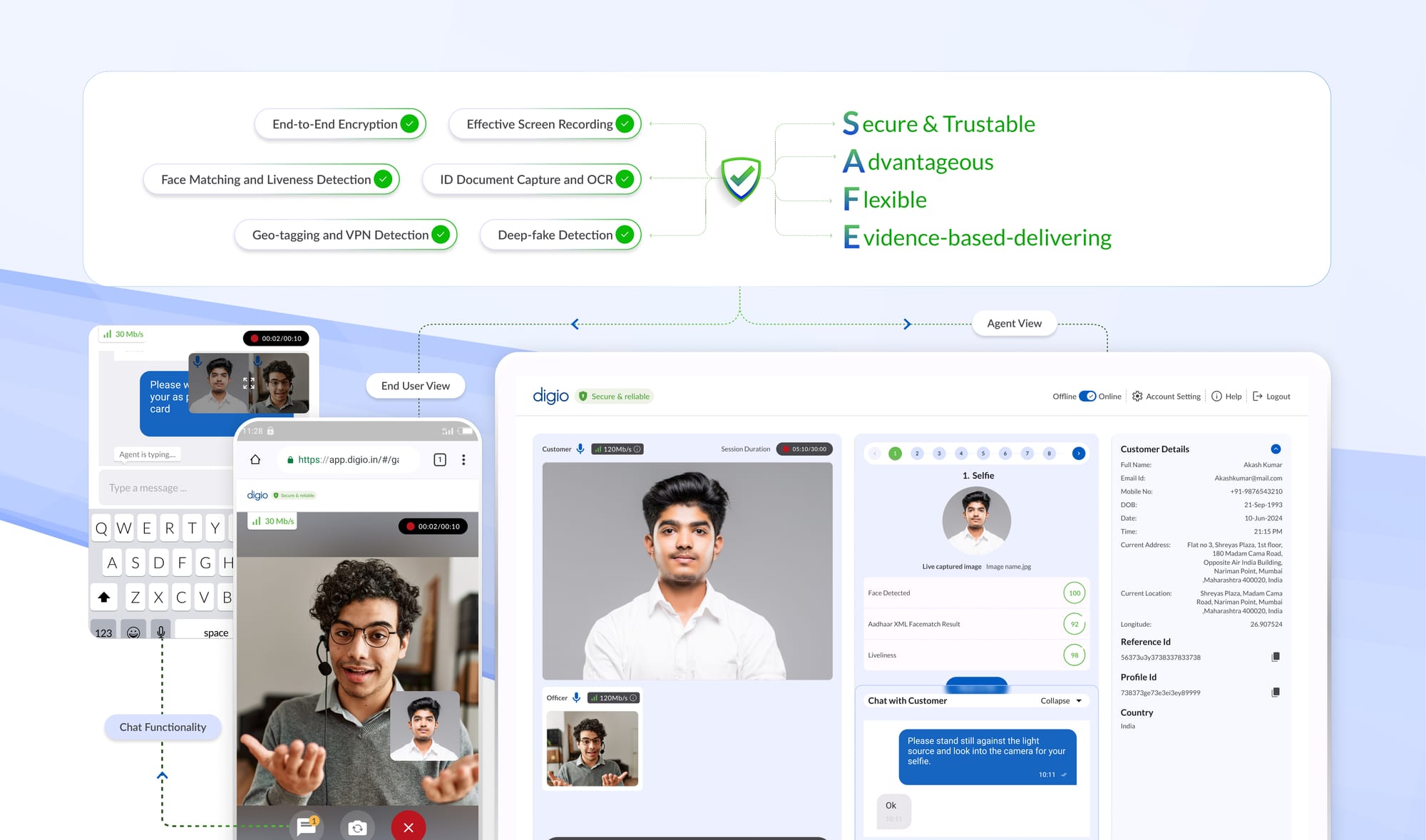
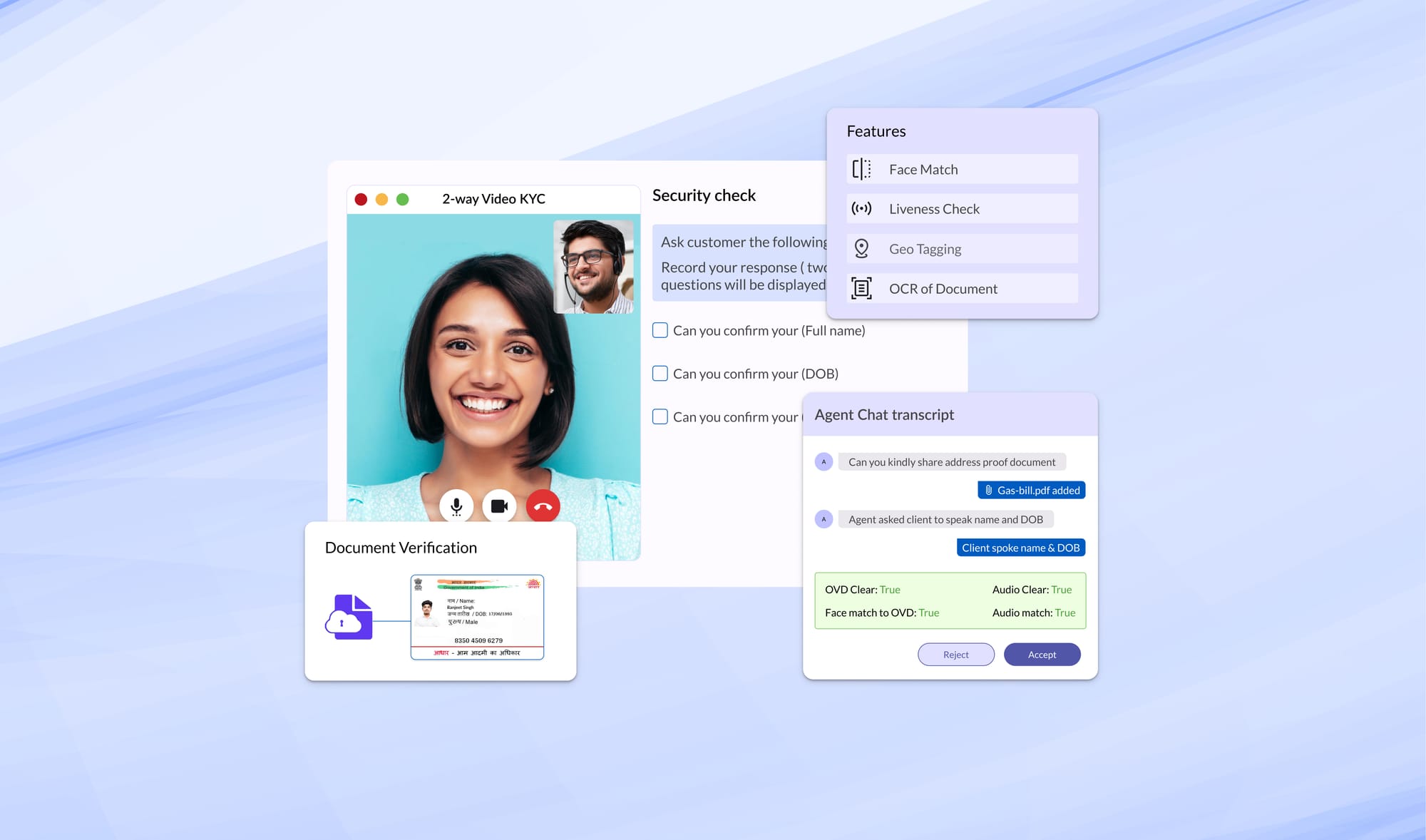
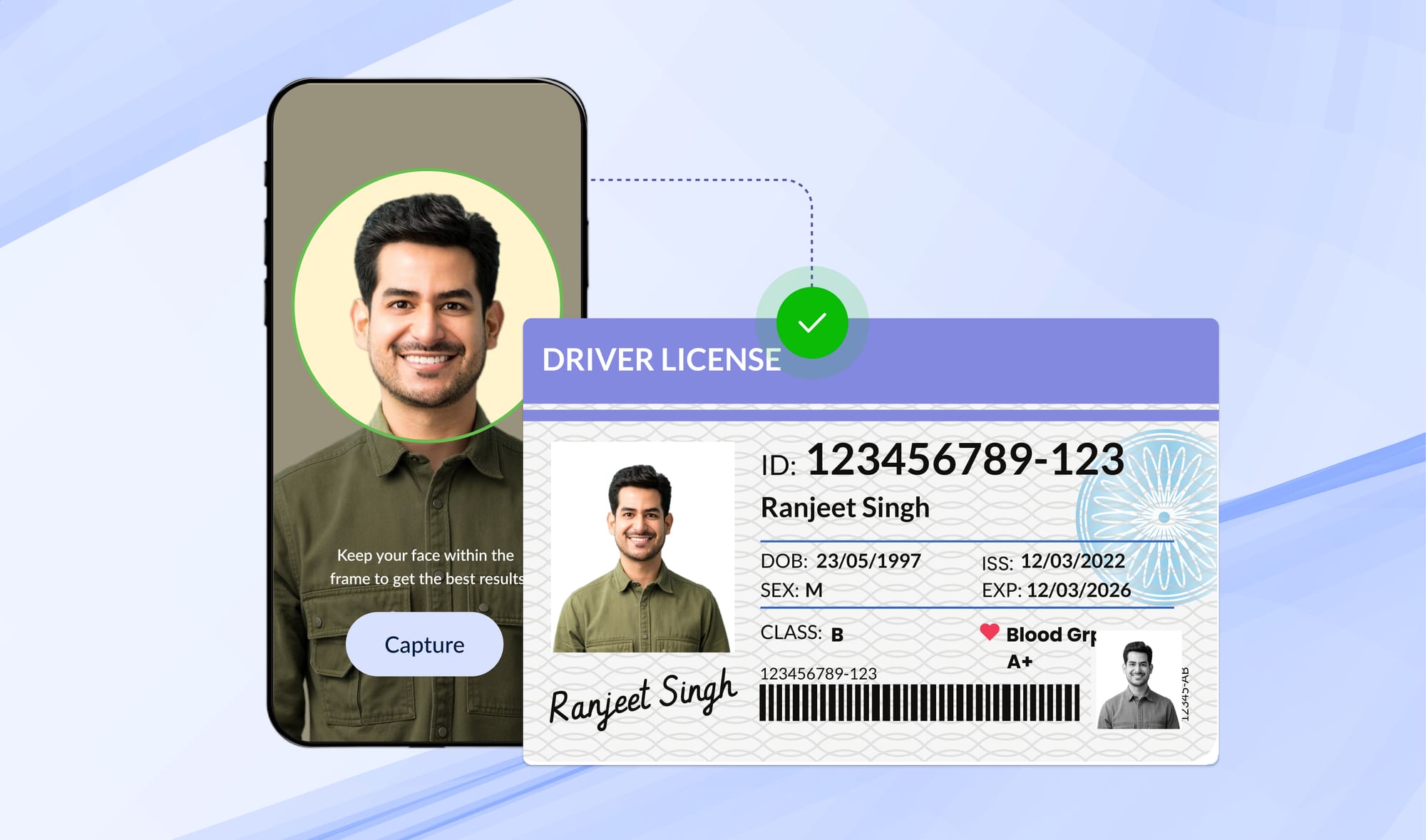
- The Step: The user needs to prove they are physically present at the time of verification, and they are the rightful holder of the identity document and not an imposter using photos, videos, or digital images. This is done via a live "Selfie" with liveness checks or an OTP-based Video KYC (IPV). The system then performs a Face Match against the photograph from the DigiLocker Aadhaar or PAN.
- The Common Challenge: This step is critical for fraud prevention. Common issues include users trying to capture a selfie of a photo, simple spoofing attempts, or selfies with incomplete facial features, like the forehead not being visible. Your liveness detection and face-matching algorithms must be top-notch.
5. Bank Account Verification
- The Step: The user provides their bank account number and IFSC code. This is verified in real-time via a Penny Drop verification or by having the user upload a cancelled cheque.
- The Common Challenge: The system must perform an automated name match between the bank account holder's name and the name on the PAN card. A mismatch here is a hard stop for compliance.
6. Signature & Declarations
- The Step: The user provides a specimen signature by either drawing on the screen or uploading a clear image. They also complete mandatory declarations for FATCA, DDPI, and nominee details.
- The Common Challenge: Illegible or unclear signatures that will be rejected by the exchange.
7. Account Opening Form (AOF) & Digital Signing
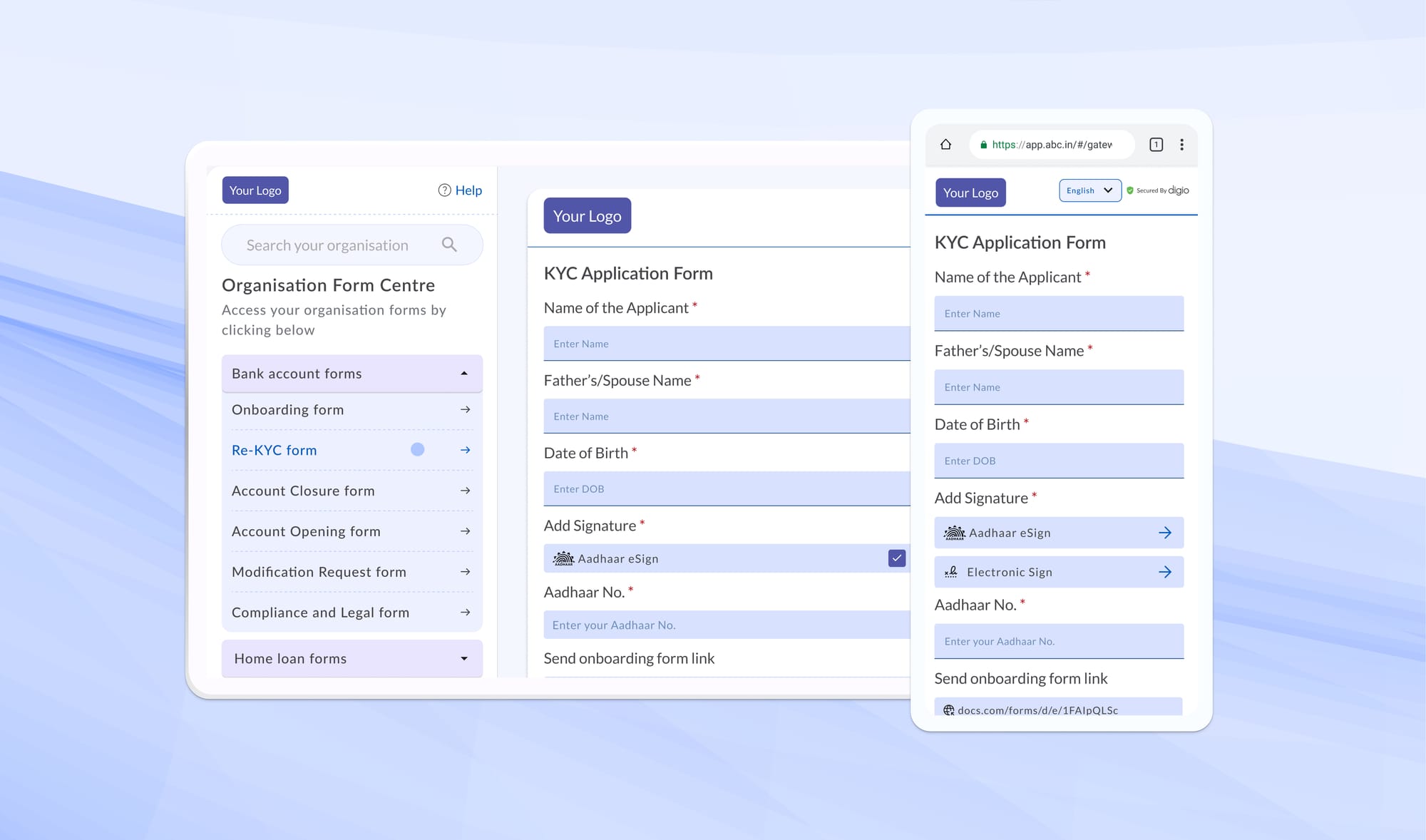
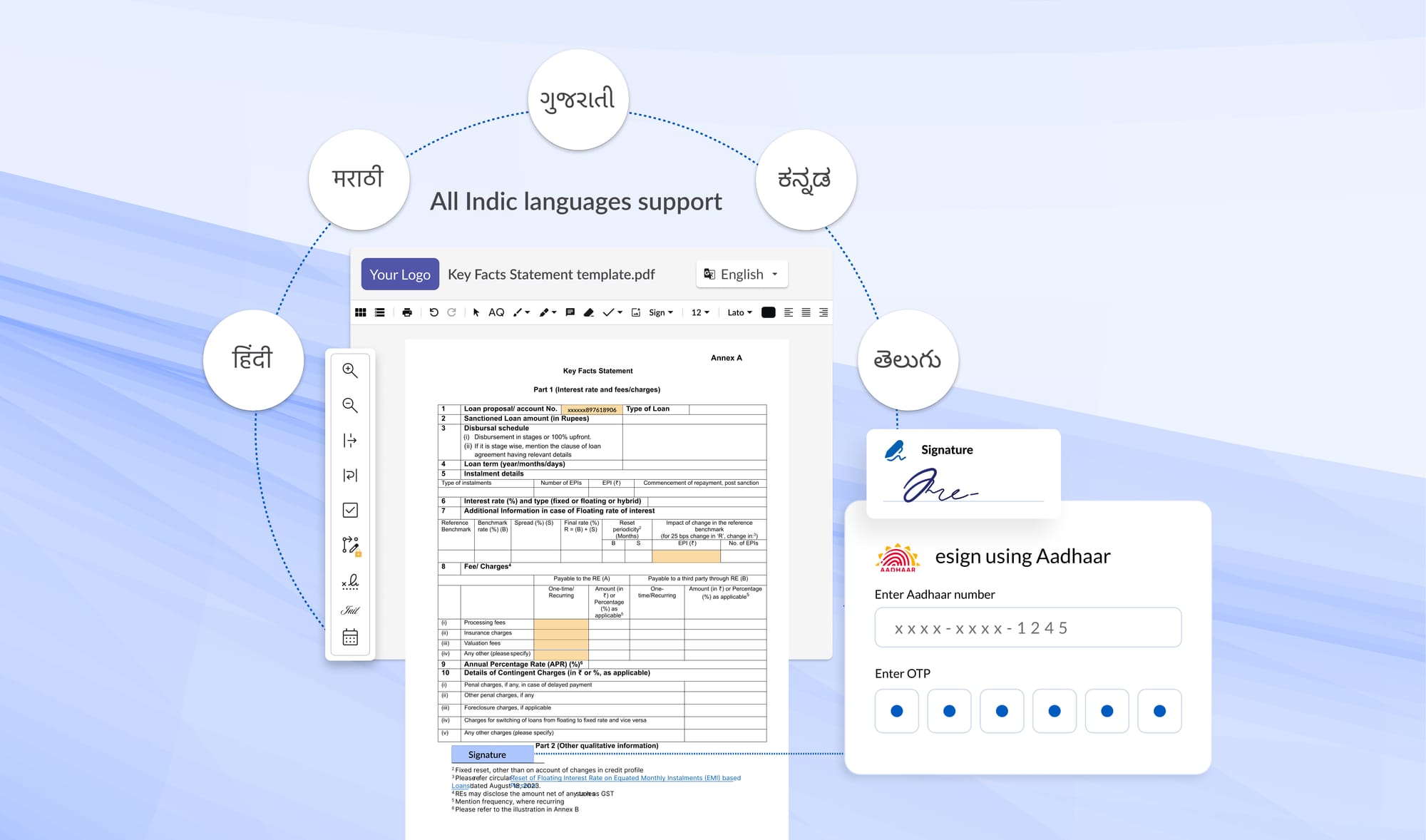
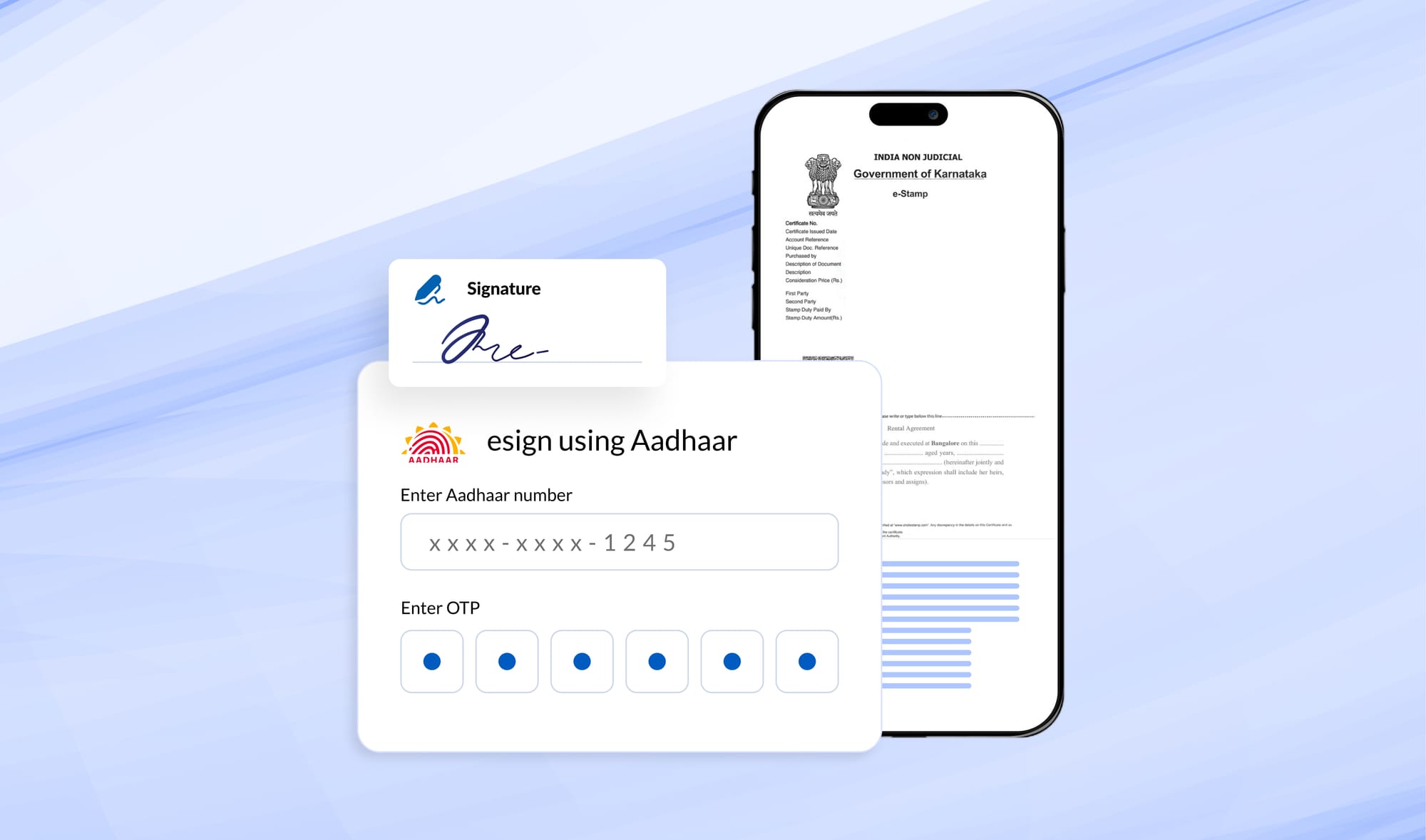
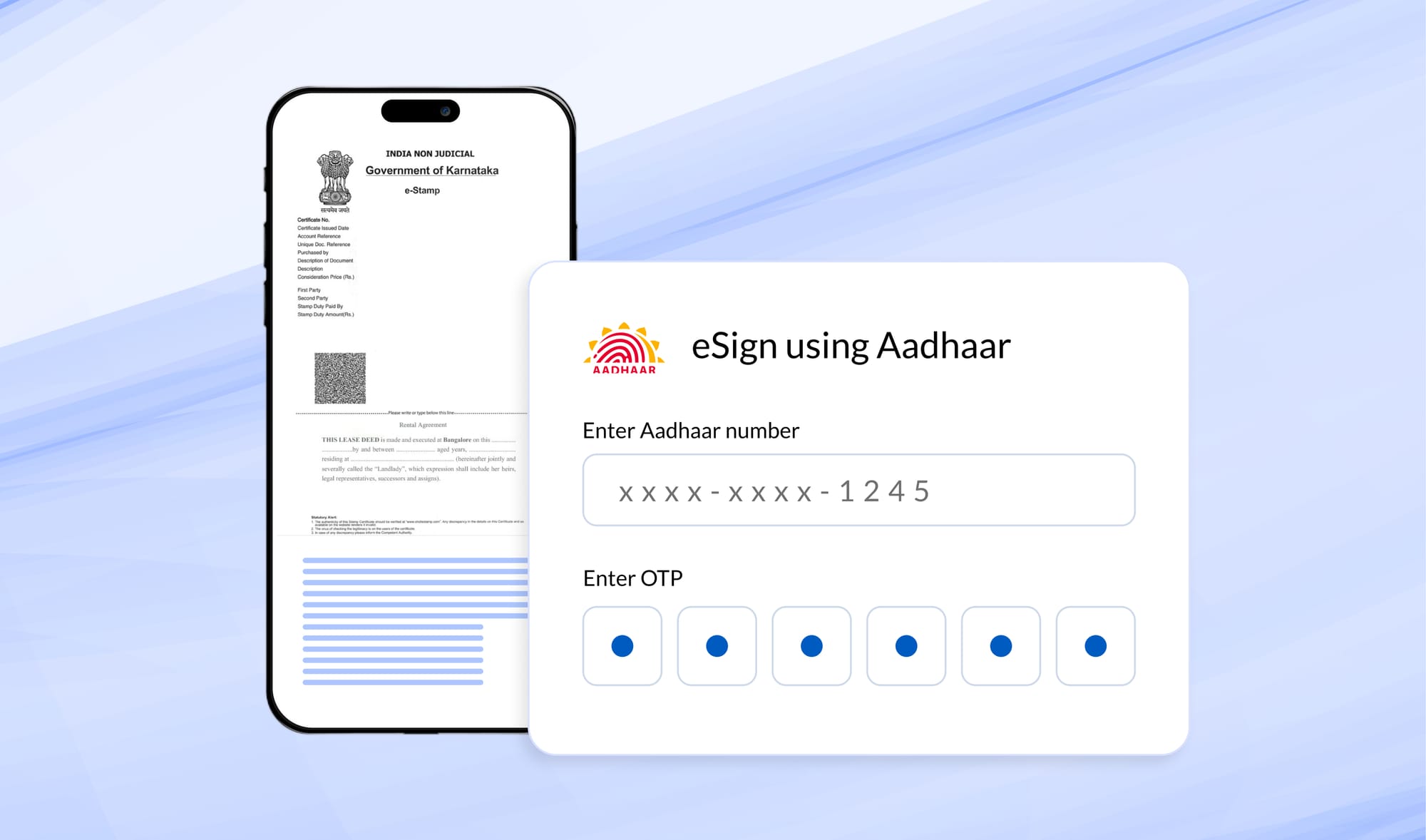
- The Step: The system dynamically generates a pre-filled Account Opening Form (AOF) with all the data collected so far. The user reviews and signs this document using Aadhaar-based eSign.
- The Common Challenge: This is the last mile. Any error in form generation or a failure in the eSign process can cause the user to abandon the journey after completing all the hard work.
What To Watch Out For: High Costs, High TAT, and Regulatory Compliance
For SEBI-regulated entities, these steps translate into five core business challenges:
- Regulatory Changes: Guidelines are constantly updated. Hard-coding these rules means expensive, time-consuming engineering efforts for every change.
- Productivity Loss & High TAT: Manual verification of documents, name mismatches, and failed checks creates a huge backlog for operations teams, delaying account activation.
- Multiple Scrutiny Checks: Managing the complex logic of KRA checks, bank verification, and liveness checks in-house brings cost and time overheads.
- Managing Myriad Vendors: Many companies are forced to stitch together 5-6 different vendors (one for KYC, one for eSign, one for penny drop, etc.), creating a fragile system with multiple points of failure.
- Higher Costs of Operations: More manual work directly translates to higher operational and customer acquisition costs.
Bringing it all together in DigiStudio
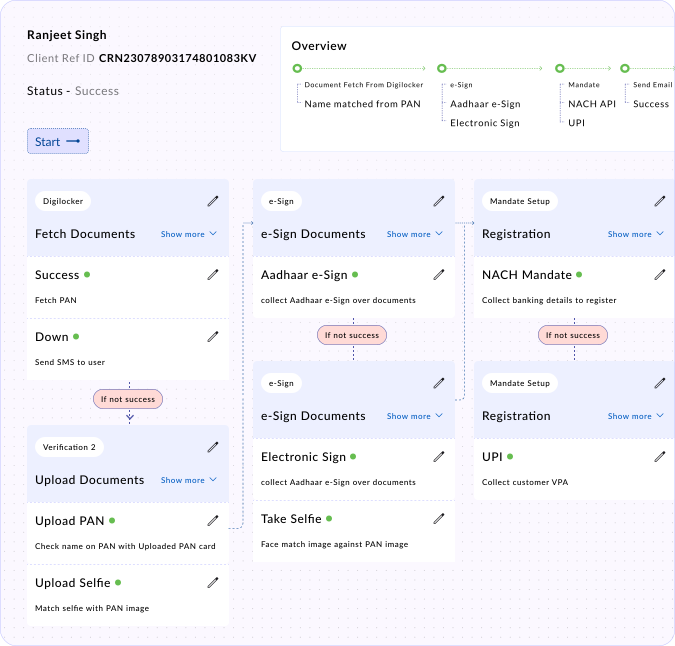
DigiStudio is Digio's no-code, drag-and-drop workflow builder. It is the engine that allows you to create UI driven configurable journeys. You can design, deploy, and manage your entire SEBI onboarding journey from a single visual canvas.
Here’s how you build a resilient, compliant workflow:
1. Drag-and-Drop Your Building Blocks
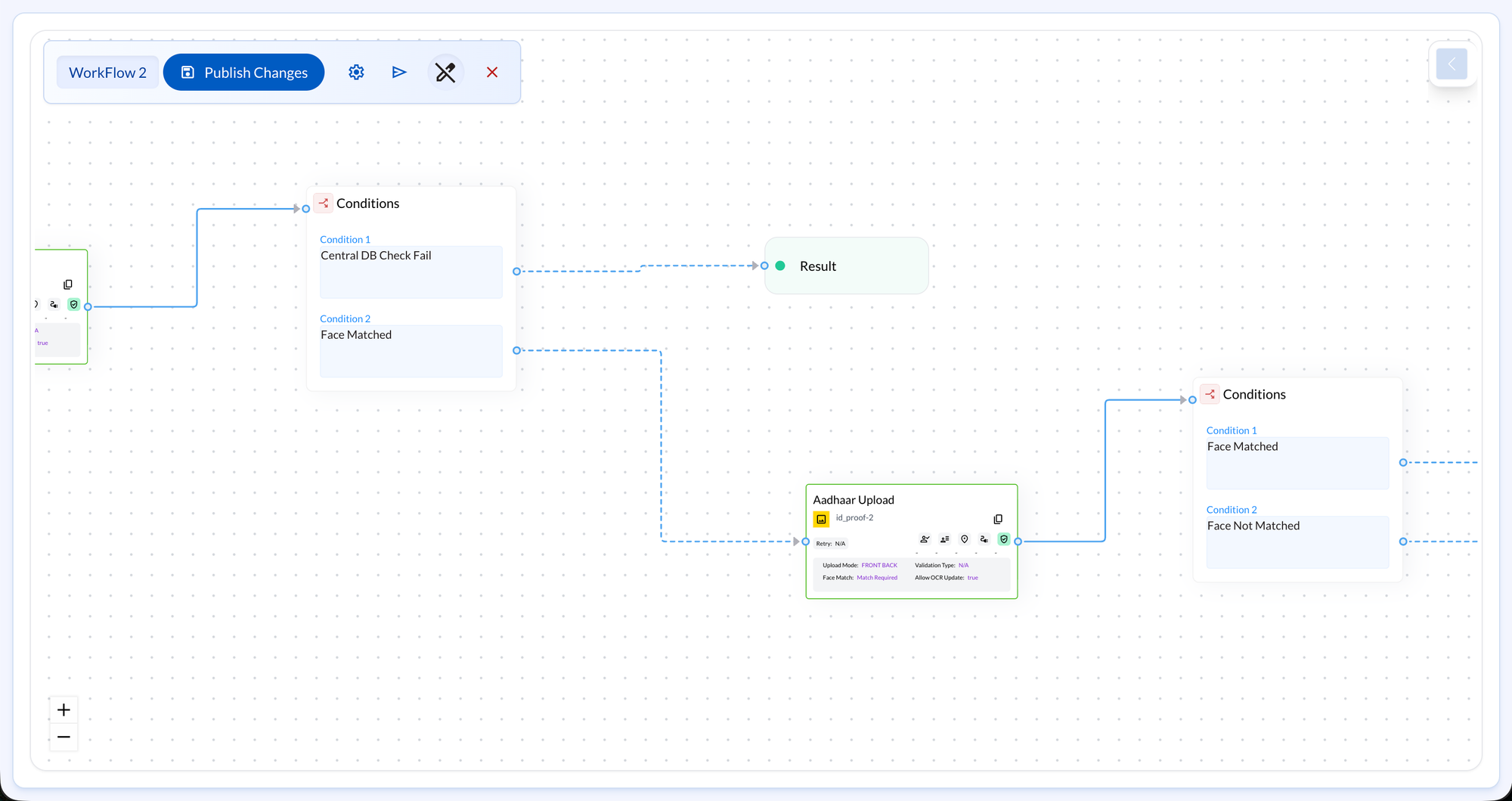
In DigiStudio, you simply drag and drop each step of the journey. You can add PAN Verification, DigiLocker, Live Selfie, Self Video KYC, Bank Account Verification, and Document Flow.
2. Configure Your Business Rules
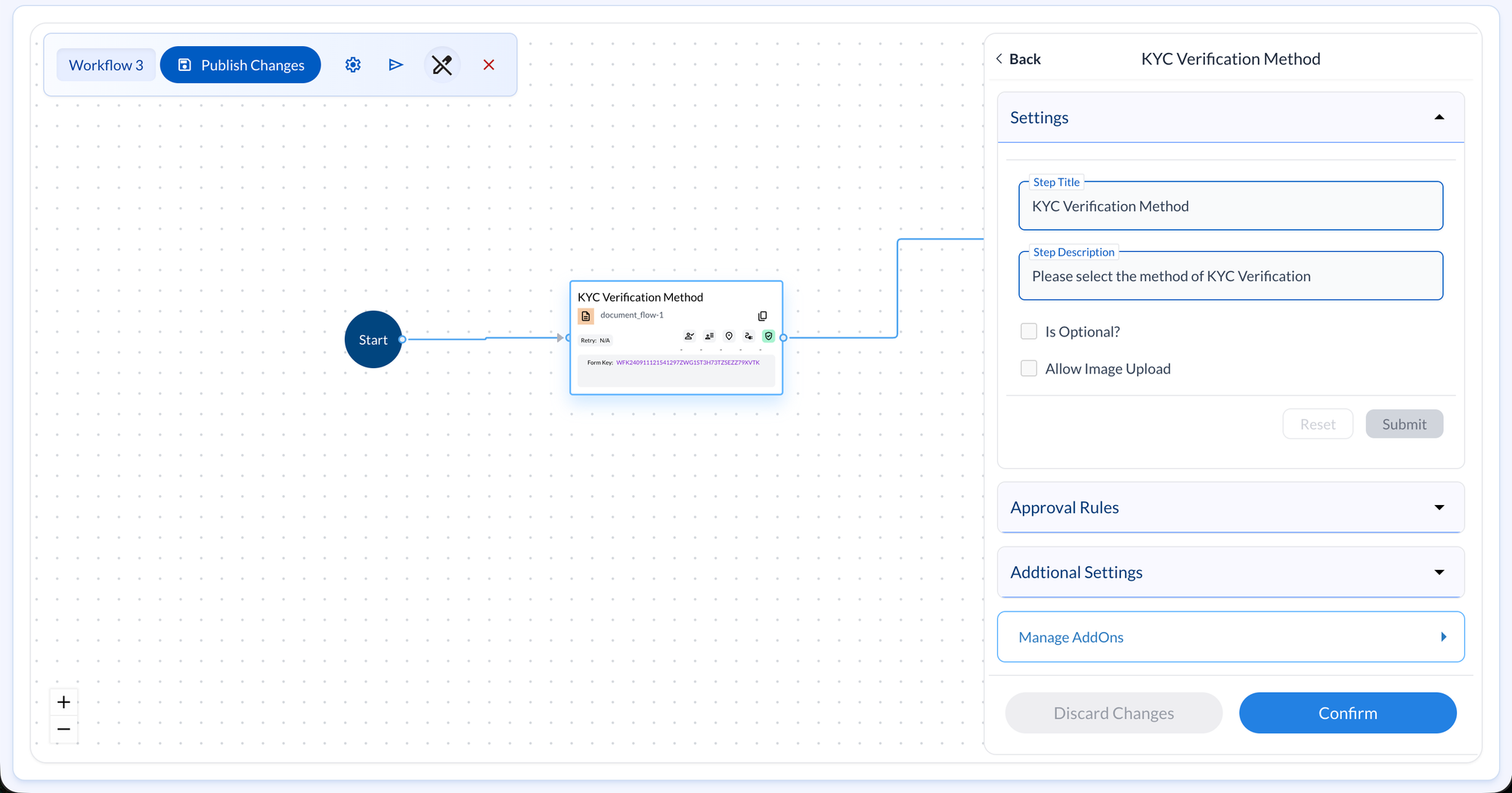
For each module, you set your own business logic without writing a single line of code. For example:
- In the Selfie KYC module, you can toggle Liveness checks, FaceMatch, Geolocation, and VPN checks as mandatory.
- In the PAN Verification module, you can enforce that "PAN is Unique" and perform "PAN-Aadhaar seeding" checks instantly.
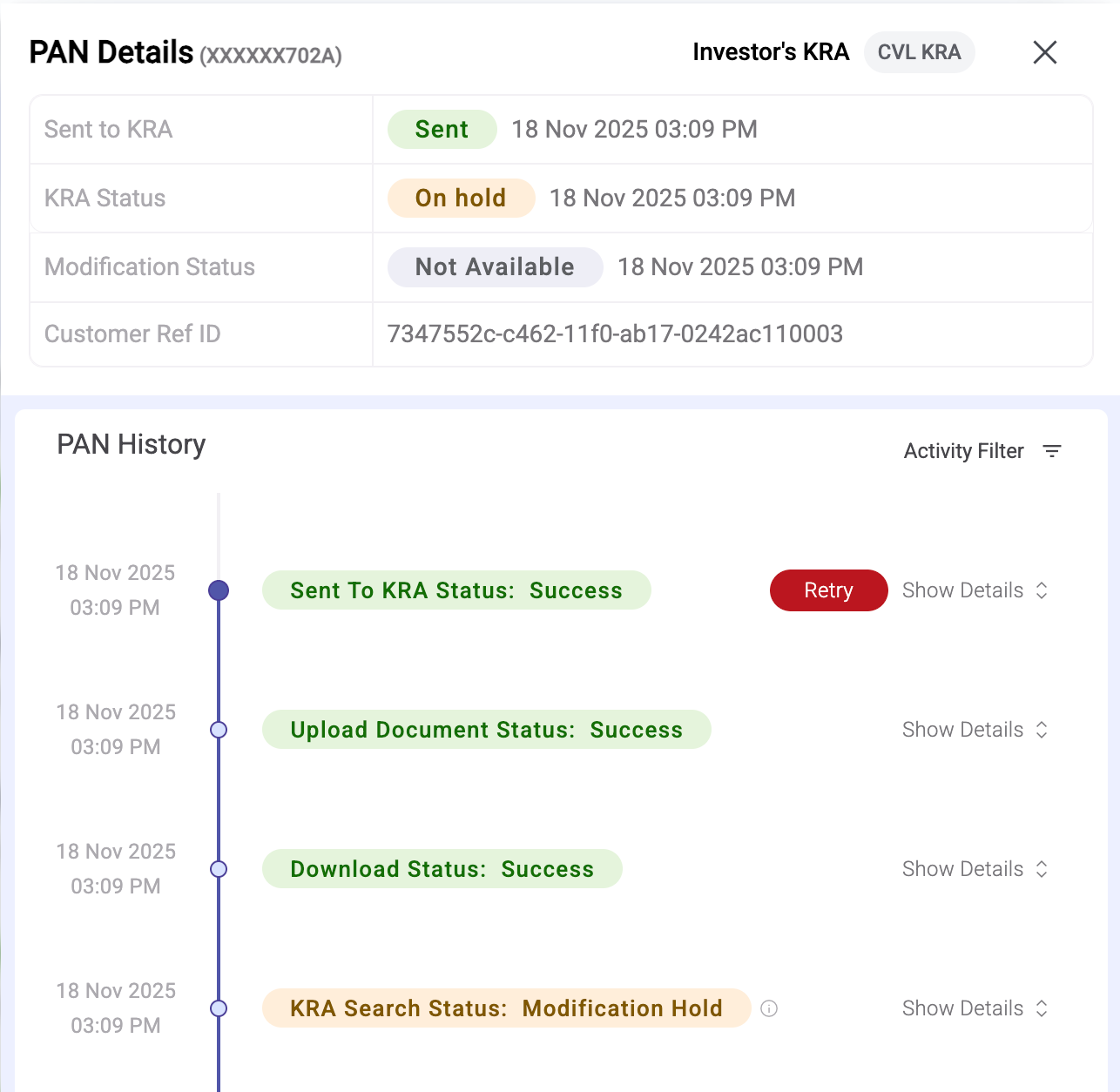
- We’ve also simplified the KRA landscape with our Smart KRA. It eliminates the complexity of working with disparate KRA systems. Our single API standardises request and response formats across all KRAs.
3. Define Conditional Journeys (The "Secret Sauce")
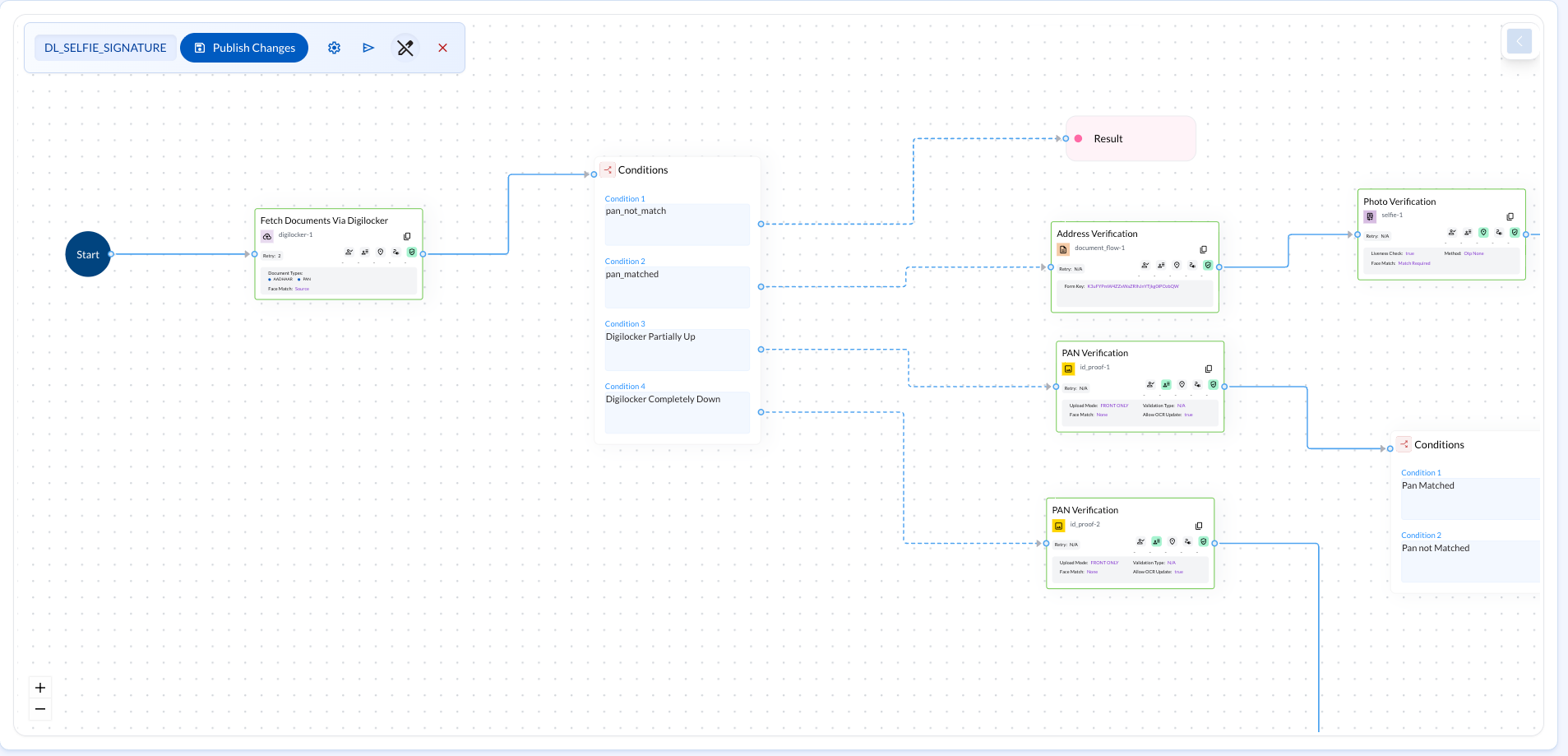
This is the most powerful part. You can visually map out conditional logic to handle system fallbacks. The best example is the DigiLocker step:
- On "Success": If "Fetch Documents from DigiLocker" is successful, you send the user directly to the "Selfie" step.
- On "Down": If the DigiLocker service is down, you don't lose the user. The workflow automatically redirects them to a "Fallback Journey" involving Manual PAN and Proof of Address upload.
This ability to build conditional "fallback journeys" on the fly ensures your onboarding is always available and resilient, even when external systems fail.
4. A/B Testing & Rapid Iteration
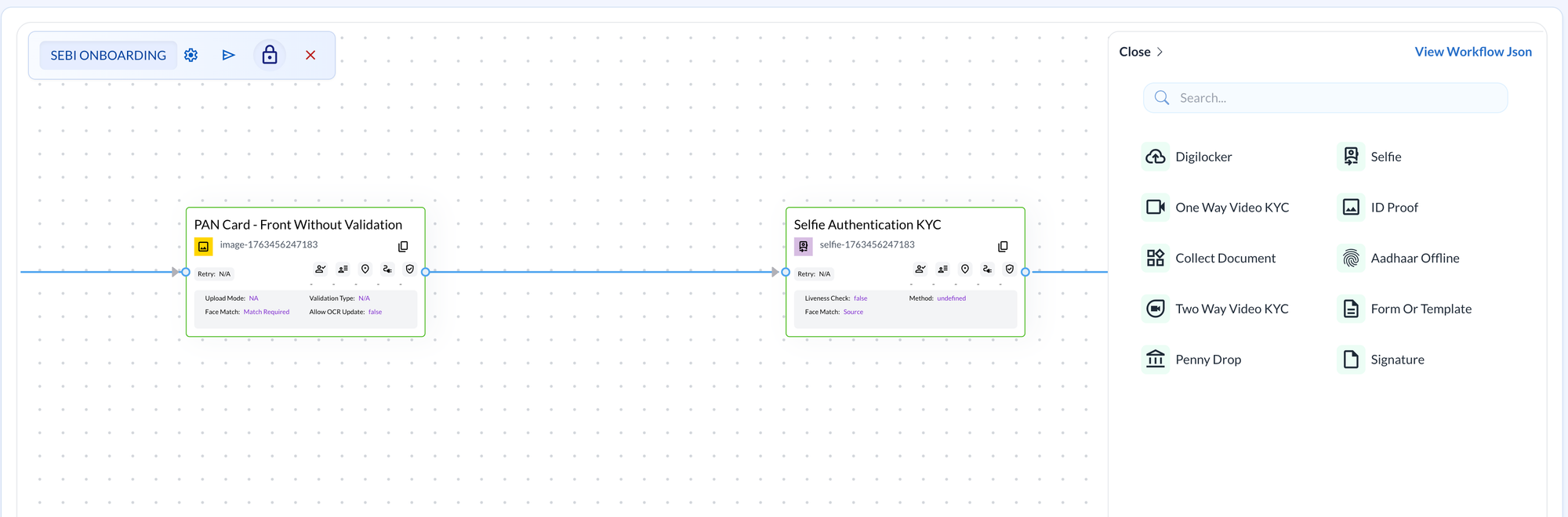
In a competitive market, you can't afford to guess. DigiStudio makes it incredibly easy to create multiple workflow versions to A/B test your onboarding logic.
- Experiment on the fly: Experiment and analyze on the fly with the ability to change configuration and control, either within the same workflow or across multiple workflows.
- Analyze and Adapt: View the results and switch traffic to the winning workflow immediately, allowing you to constantly optimize for lower drop-offs.
5. Manage Drop-Offs with "Re-Request"
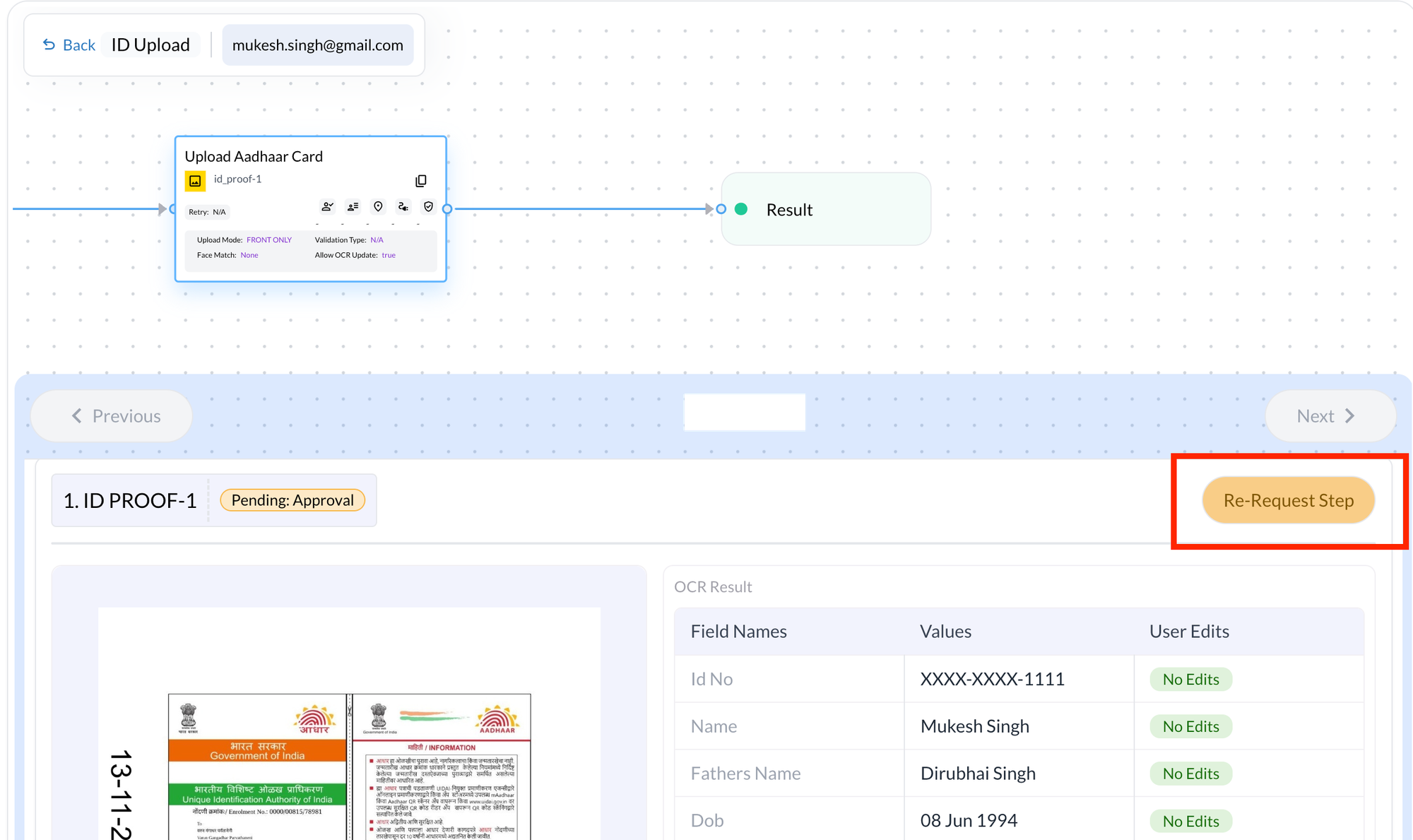
User drop-offs are inevitable, but losing them shouldn't be. DigiStudio gives you granular control over recovering these leads via the Re-Request action.
- Smart Routing: Instead of forcing a user to start over, you can route a dropped-off user onto a different, perhaps simplified, workflow on retry.
- Resume Capabilities: The system allows the user to reattempt from the exact drop-off point rather than the beginning, significantly boosting their chances of conversion on the second try.
The Digio Difference: Expertise in Action
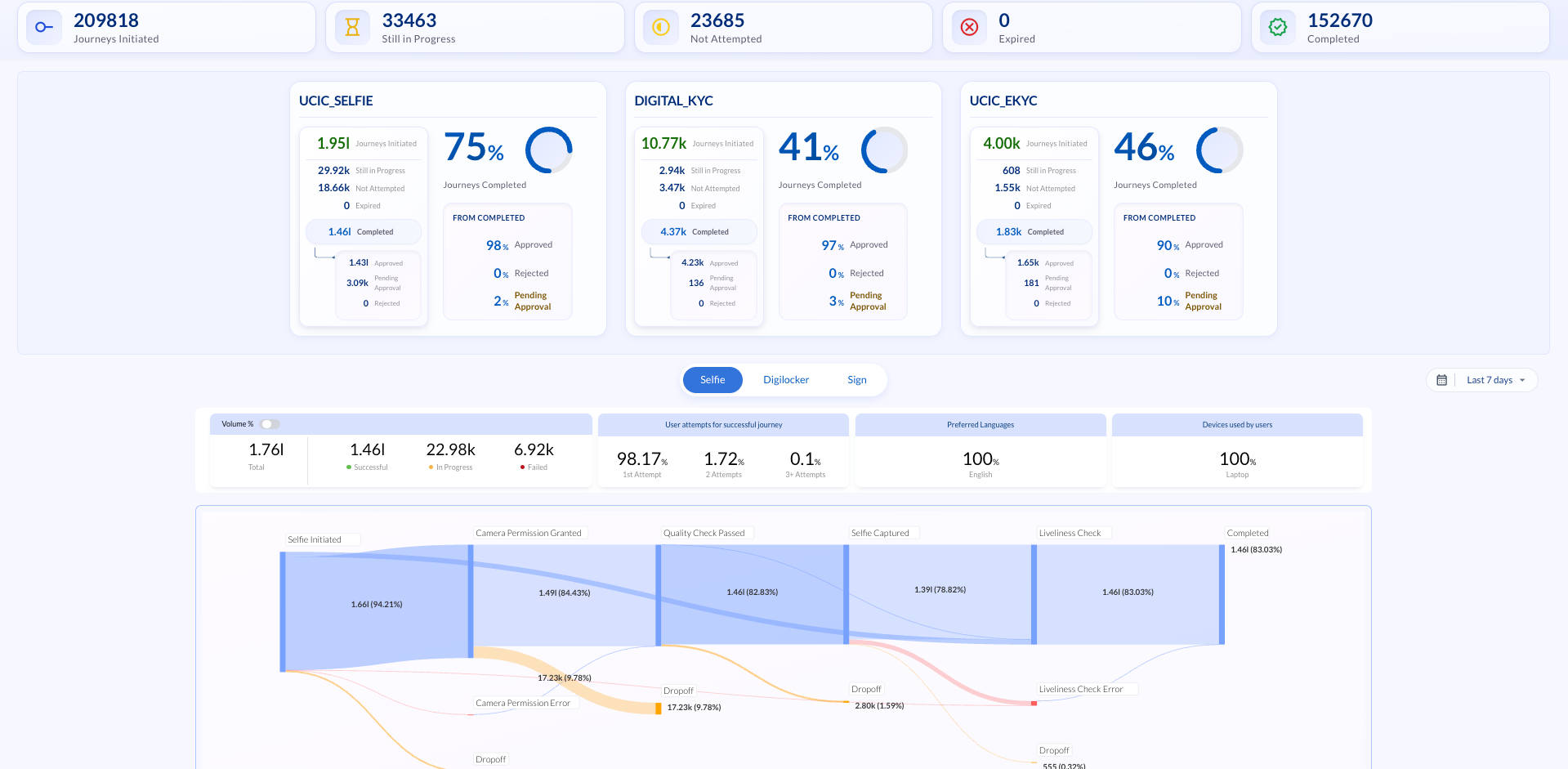
Building a compliant SEBI onboarding journey is complex, but it doesn't have to be difficult.
With Digio, you get more than just a set of APIs. You get a complete, end-to-end platform that has been battle-tested at scale. The results speak for themselves.
Our partners achieve:
- 95% Reduced TAT
- 87% Straight-through Processing (no manual intervention)
- 75% Reduced Customer Onboarding Costs
You also get a powerful multi-user console for your operations team to review and approve applications, providing a single source of truth for all active applications. A request page that gives a complete overview for audit purposes. And the platform extends far beyond onboarding, allowing you to automate Digital Re-KYC, Channel Partner Onboarding, and more.
Ready to transform your onboarding journey? Get in touch with us at bd@digio.in
Read more Blogs
DPDP Consent Management: What Every Data Fiduciary Must Know in 2026
How DPDP consent management works: consent capture, lifecycle, consent managers, and what data fiduciaries must implement before May 2027.
DPDP Compliance Platform: Complete Guide for Indian Enterprises (2026)
Everything Indian enterprises need to know about choosing a DPDPA compliance platform: features, deployment options, timelines, and penalties. Updated for 2026.
DPDP Compliance for Banks: A CISO's 90-Day Roadmap
Indian banks sit at the intersection of two regulatory forces: the Reserve Bank of India's Data Governance Guidelines and the Digital Personal Data Protection Act, 2023. With full DPDPA enforcement beginning May 13, 2027, and penalties reaching ₹250 crore, banks face the highest compliance stakes of any sector. The challenge isn't just regulatory, it's operational. Banks handle tens of millions of data principals across dozens of digital properties (mobile apps, net banking, UPI, loan portals,

Digitally transform business operations with Digio!
Try first. Subscribe later.
Boost your legal ops efficiency by 80%
Learn how Digio can enhance your business productivity
Get 1-on-1 business use case solutioning
Speak with our business consultants to get a solution walkthrough for your business requirement
Test the APIs
Let your development team test our API suite to understand configurability and product integration
Subscribe
Get the best in industry commercials for your business usecase