Digital KYC: The Cornerstone of Regulatory Compliance in the Digital Age
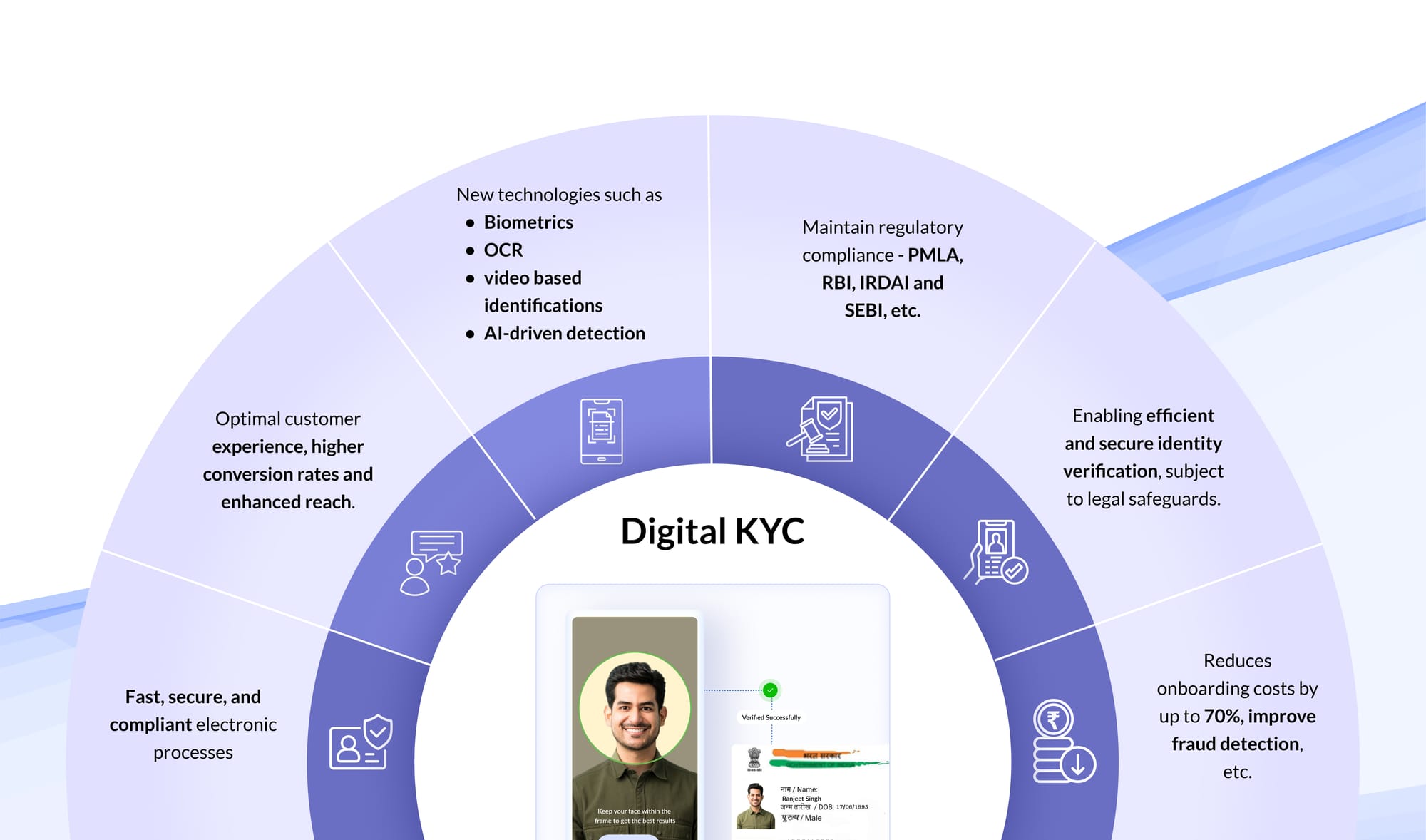
Digital KYC is an enabler for operational efficiency and regulatory compliance which allows businesses to transform their paper-based verification processes. This represents a paradigm shift in how customer identities are verified & financial crimes are mitigated in a completely electronic manner.
Introduction
In today's rapidly evolving digital landscape, businesses face increasing pressure to streamline customer onboarding while maintaining robust compliance with regulatory frameworks. Digital Know Your Customer (KYC), or eKYC, has emerged as a critical solution that addresses both operational efficiency and regulatory demands. This transformation from traditional paper-based verification to electronic processes represents a paradigm shift in how businesses establish and verify customer identities while mitigating financial crimes.
Understanding Digital KYC
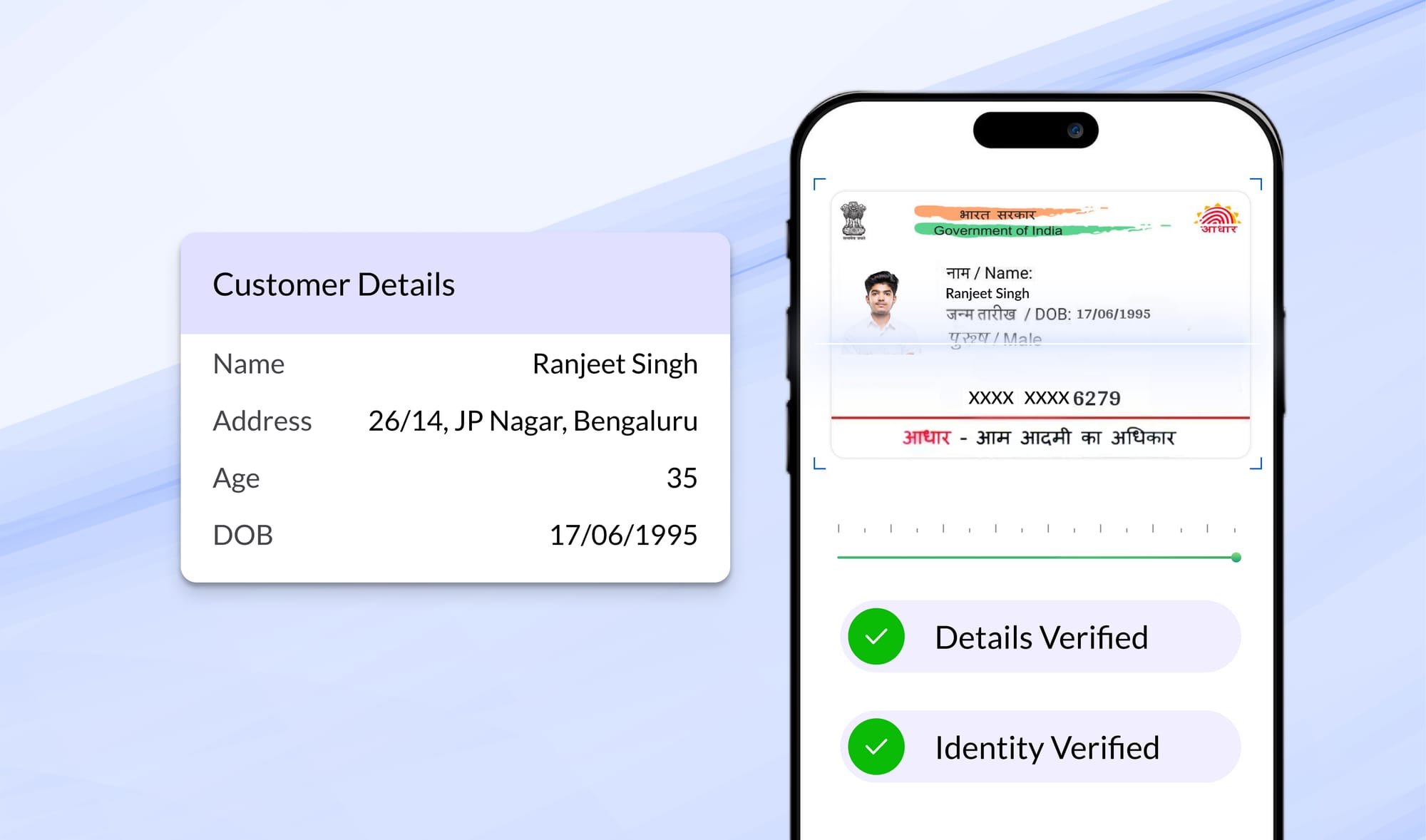
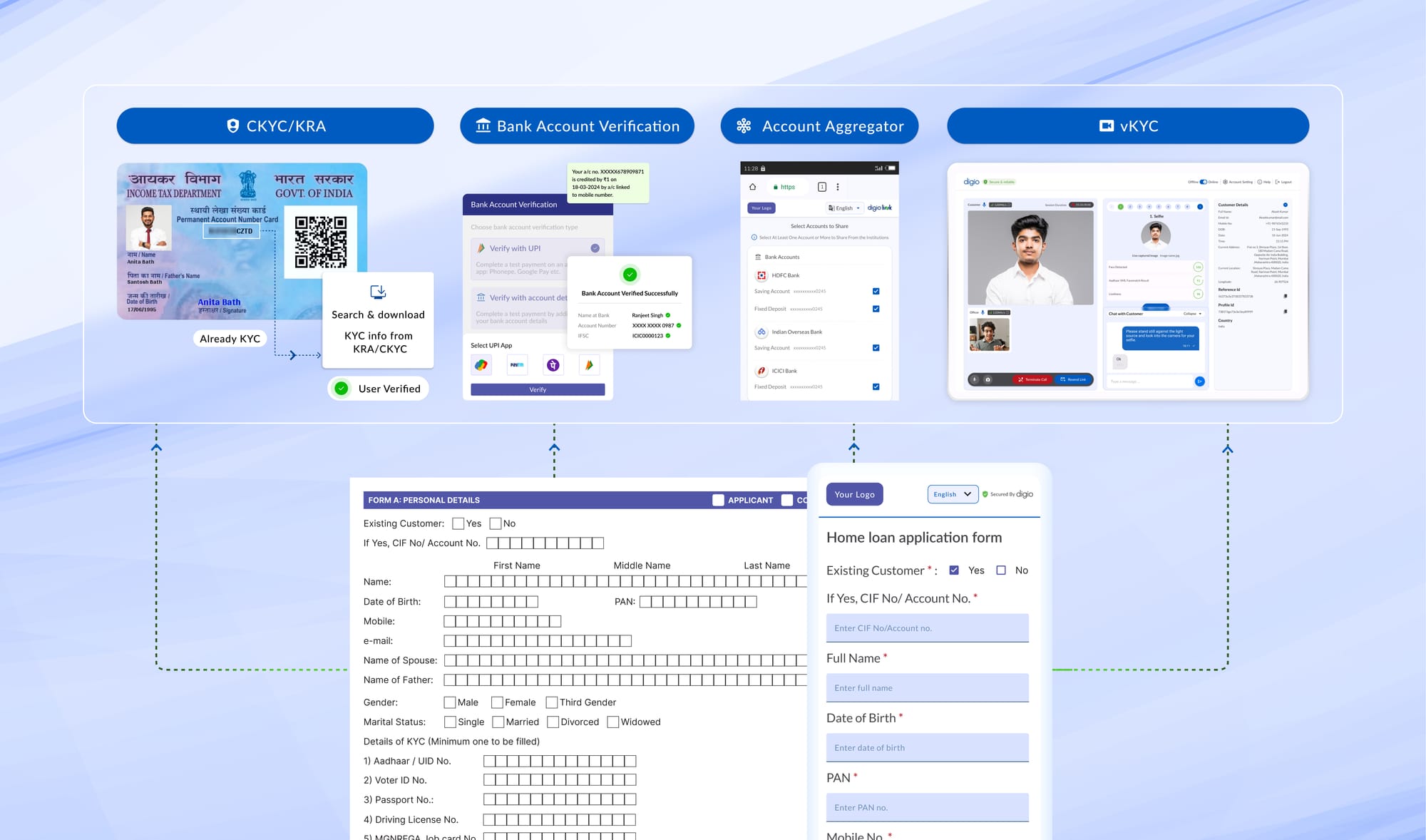
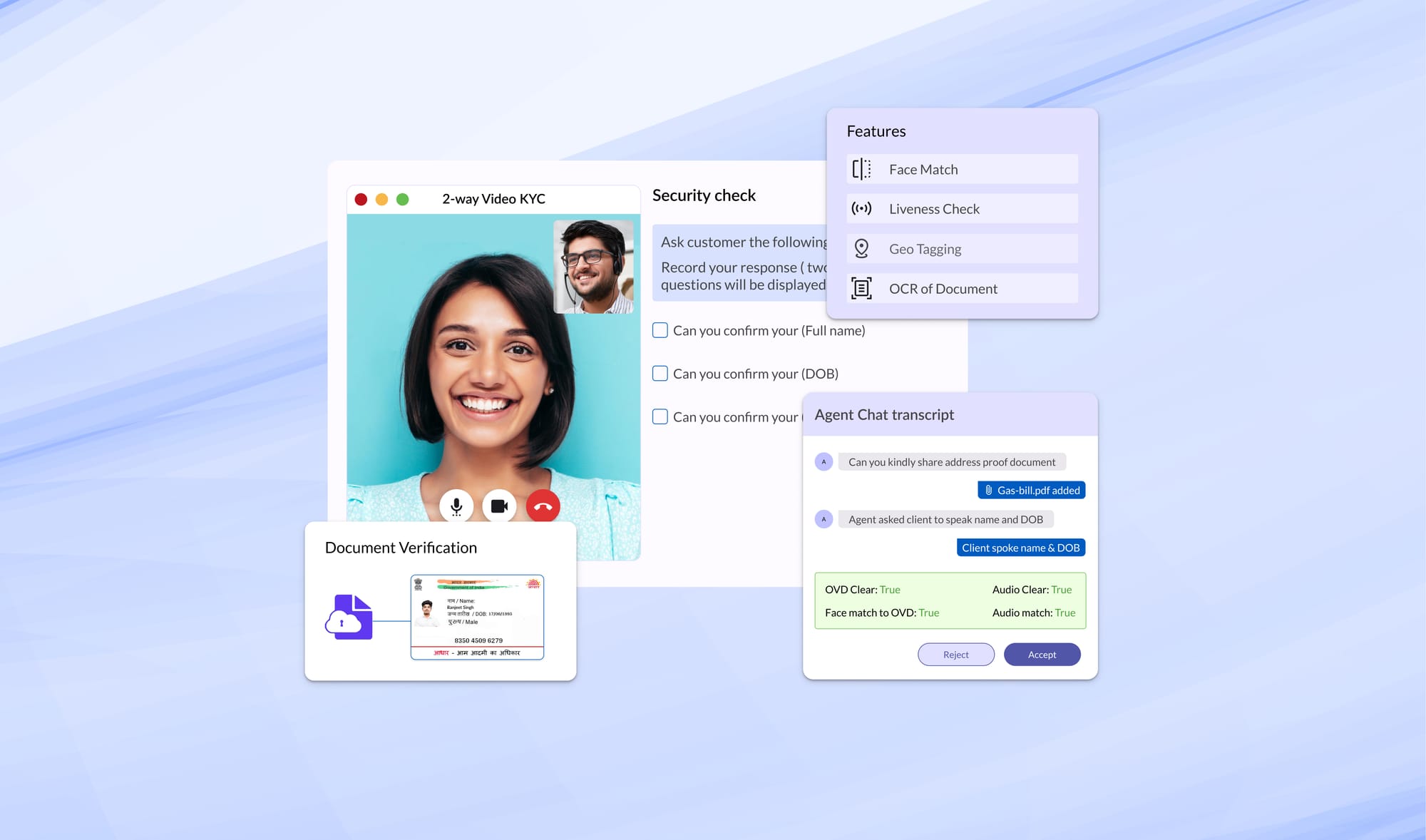
Digital KYC refers to the electronic process of verifying the identity of customers or clients using digital channels and technologies. Unlike traditional KYC procedures that rely on physical documentation and in-person verification, digital KYC leverages technological innovations to authenticate identities remotely. This process typically incorporates biometric verification, optical character recognition (OCR), video identification, and database cross-referencing to establish the authenticity of a customer's claimed identity.
The electronic KYC ecosystem encompasses several technological components working in synergy:
- Identity document authentication through advanced algorithms that detect document tampering
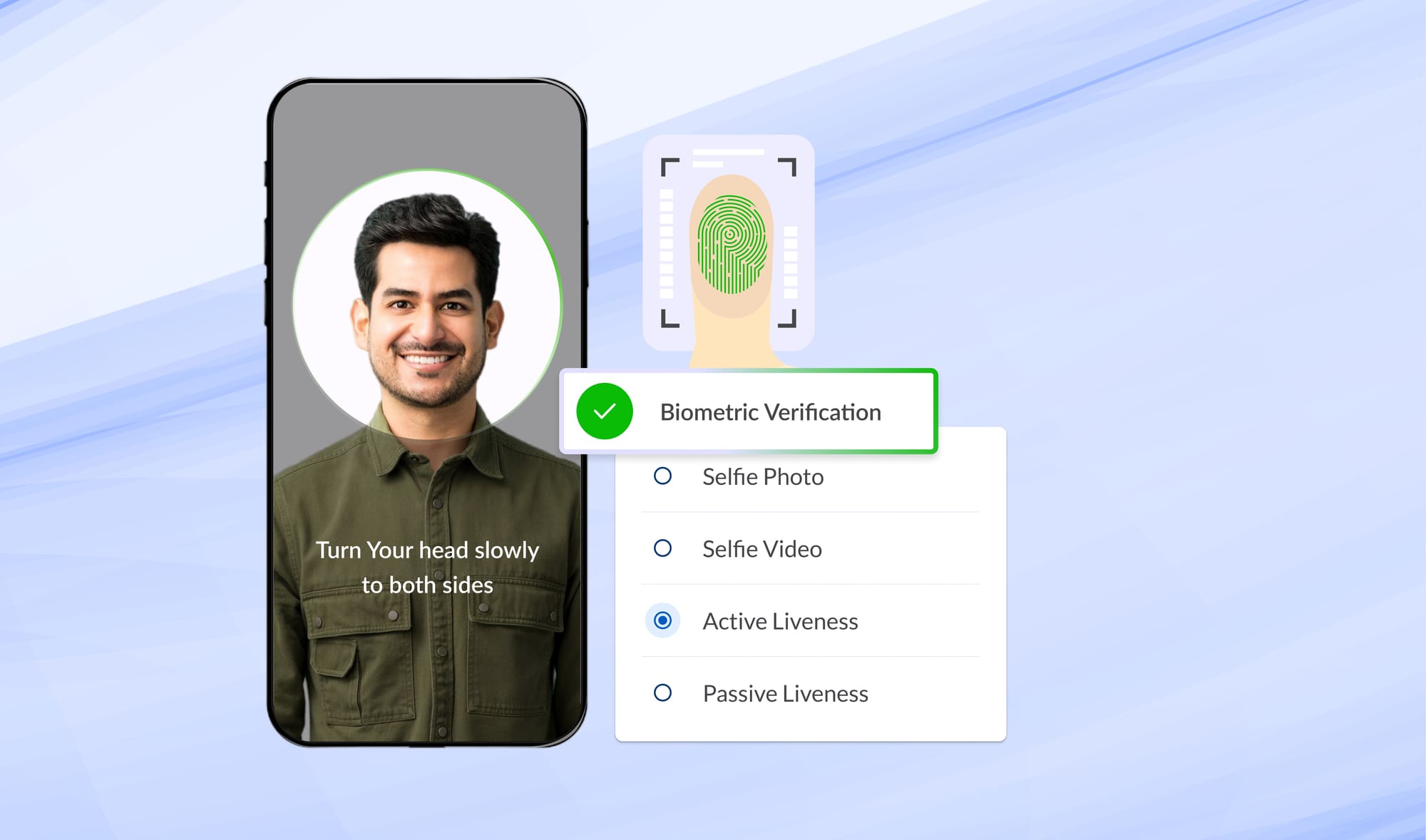
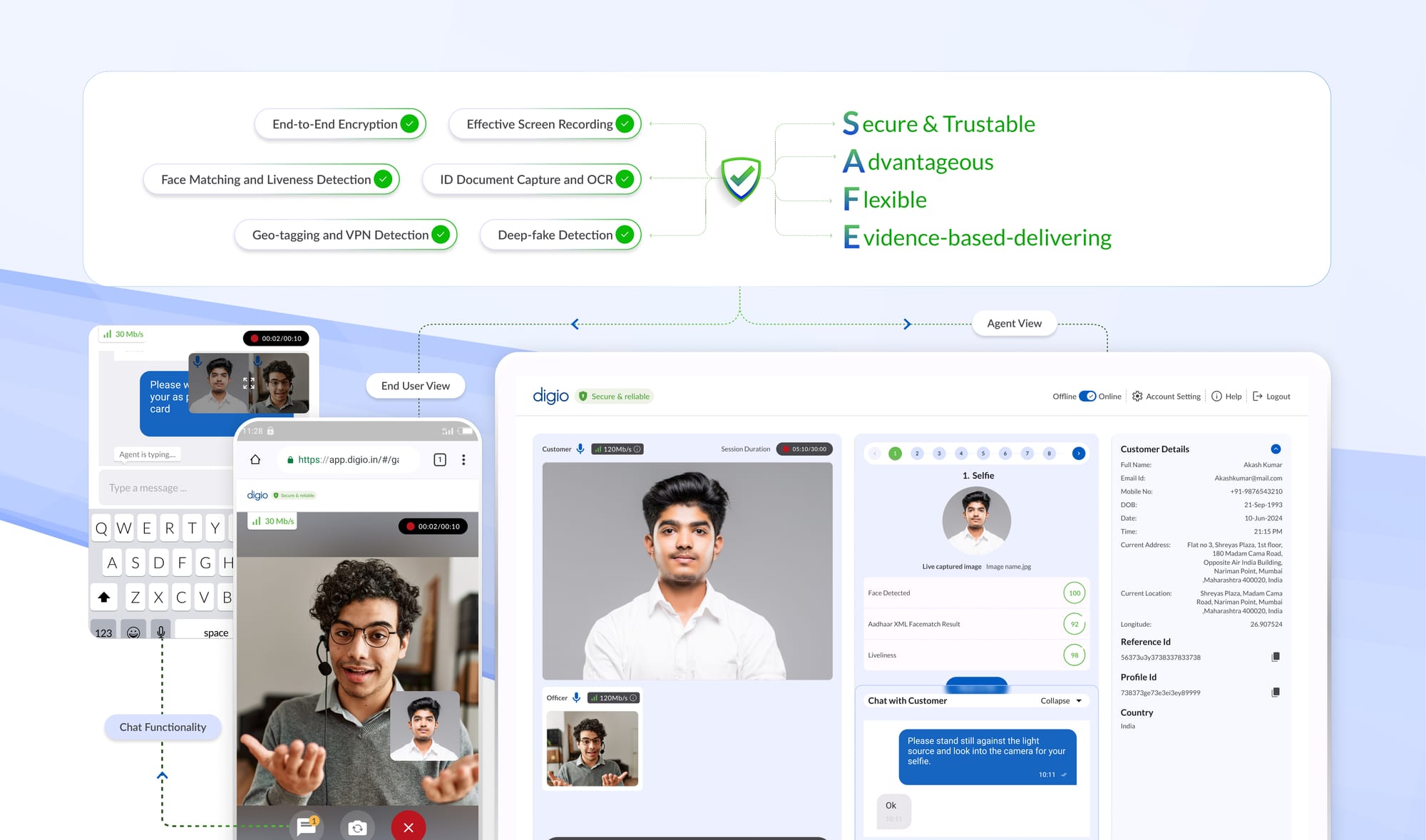
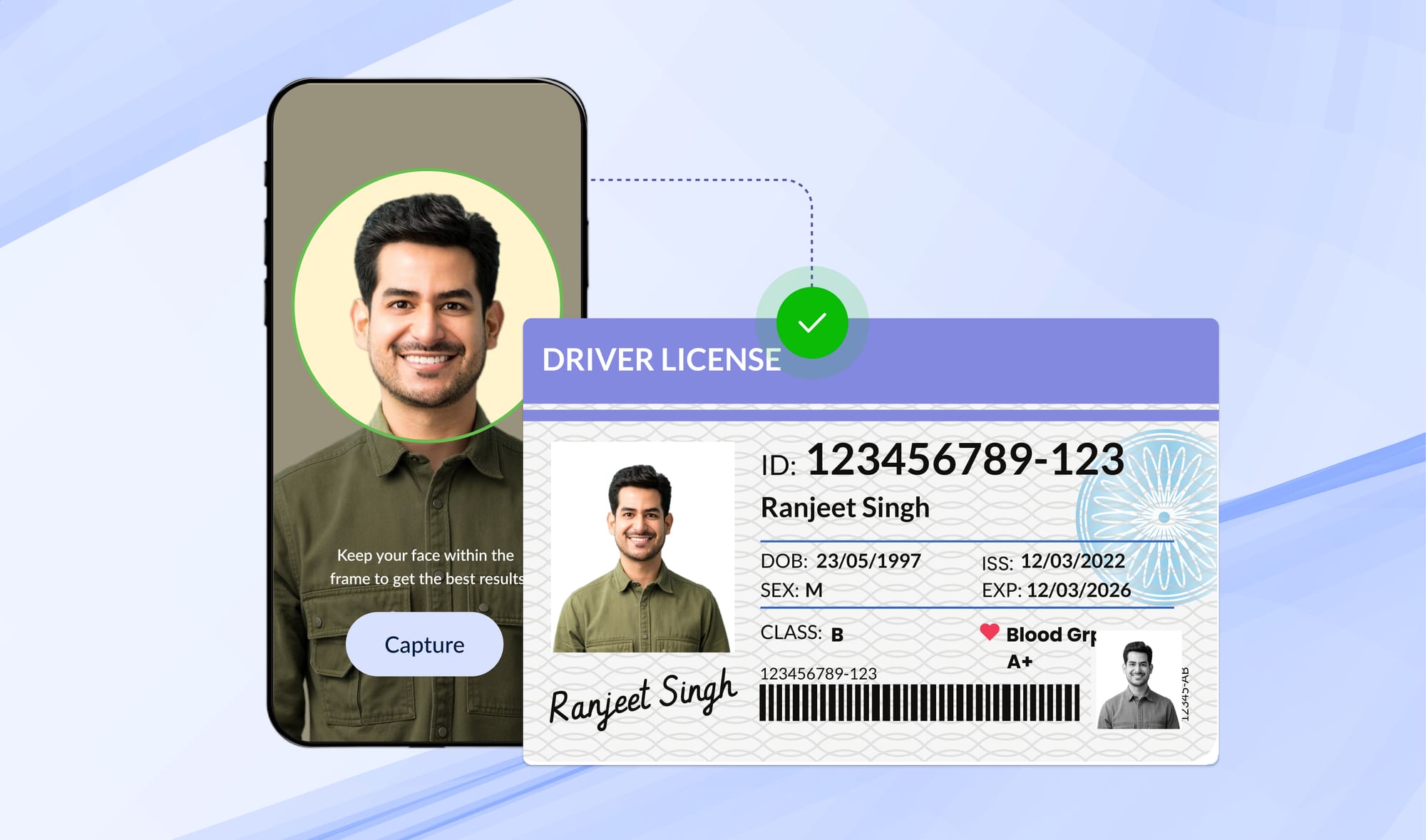
- Biometric verification, including facial recognition, fingerprint scanning, and liveness detection
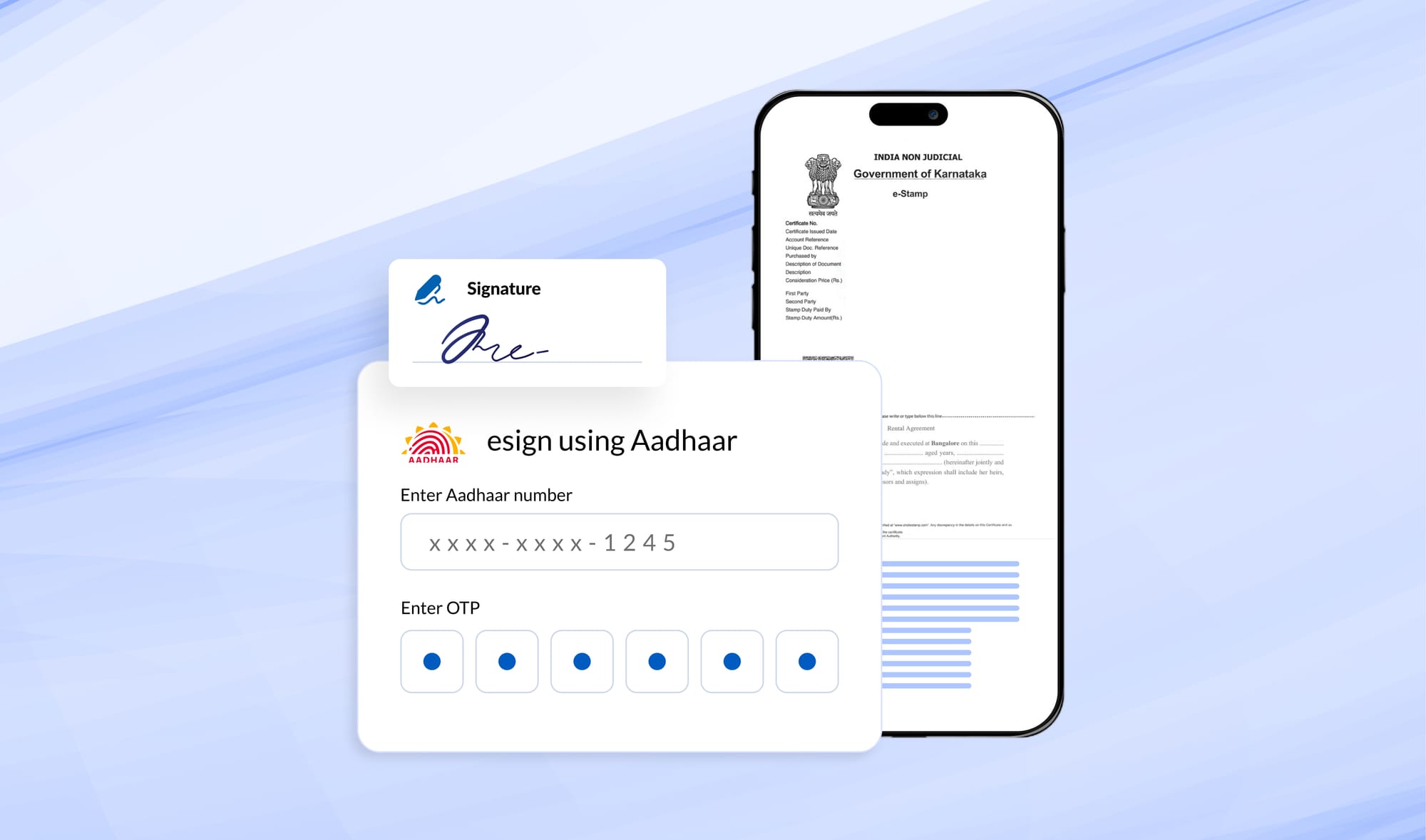
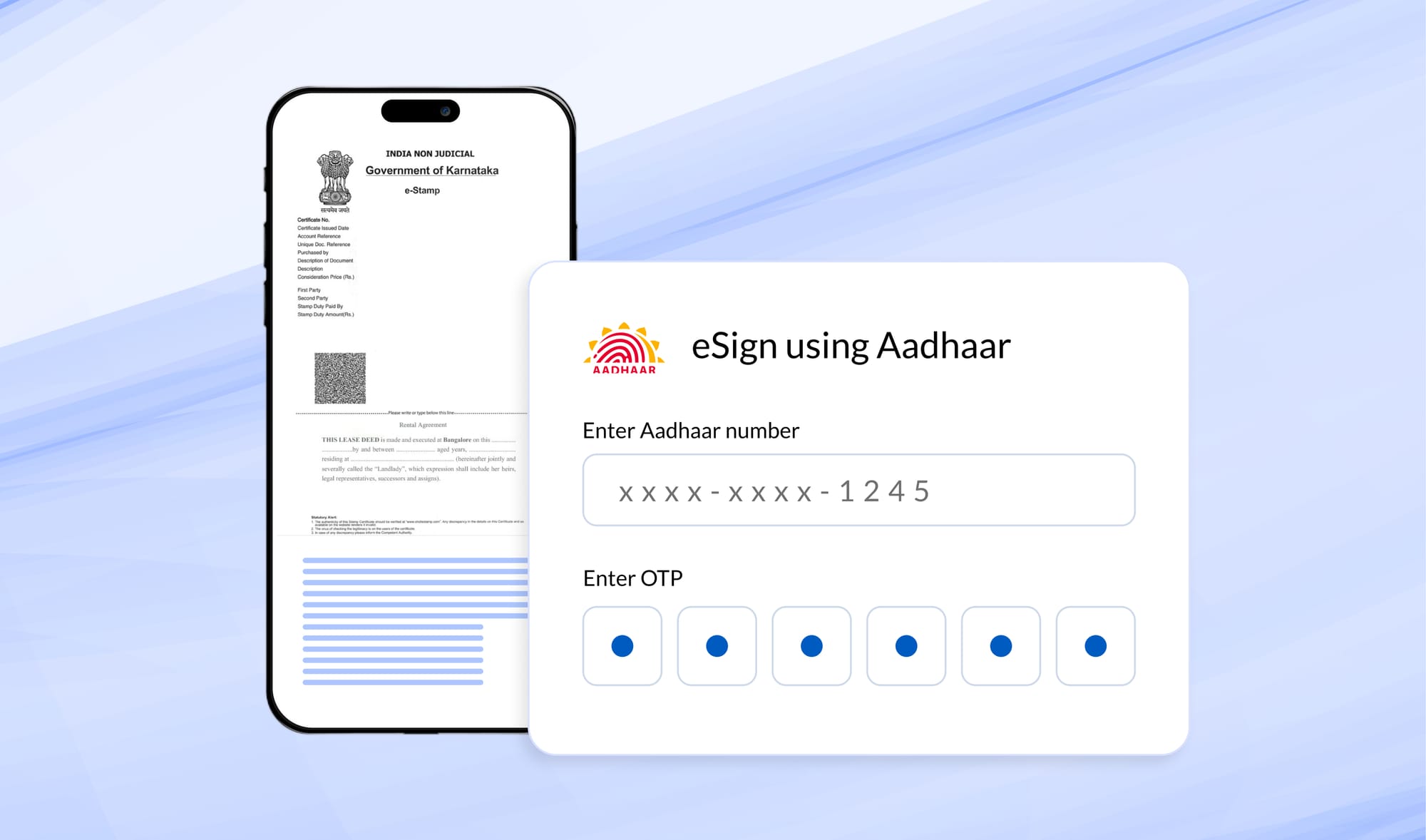
- Digital signature validation ensures non-repudiation
- Real-time verification against authoritative databases like UIDAI, CBDT in India, etc.
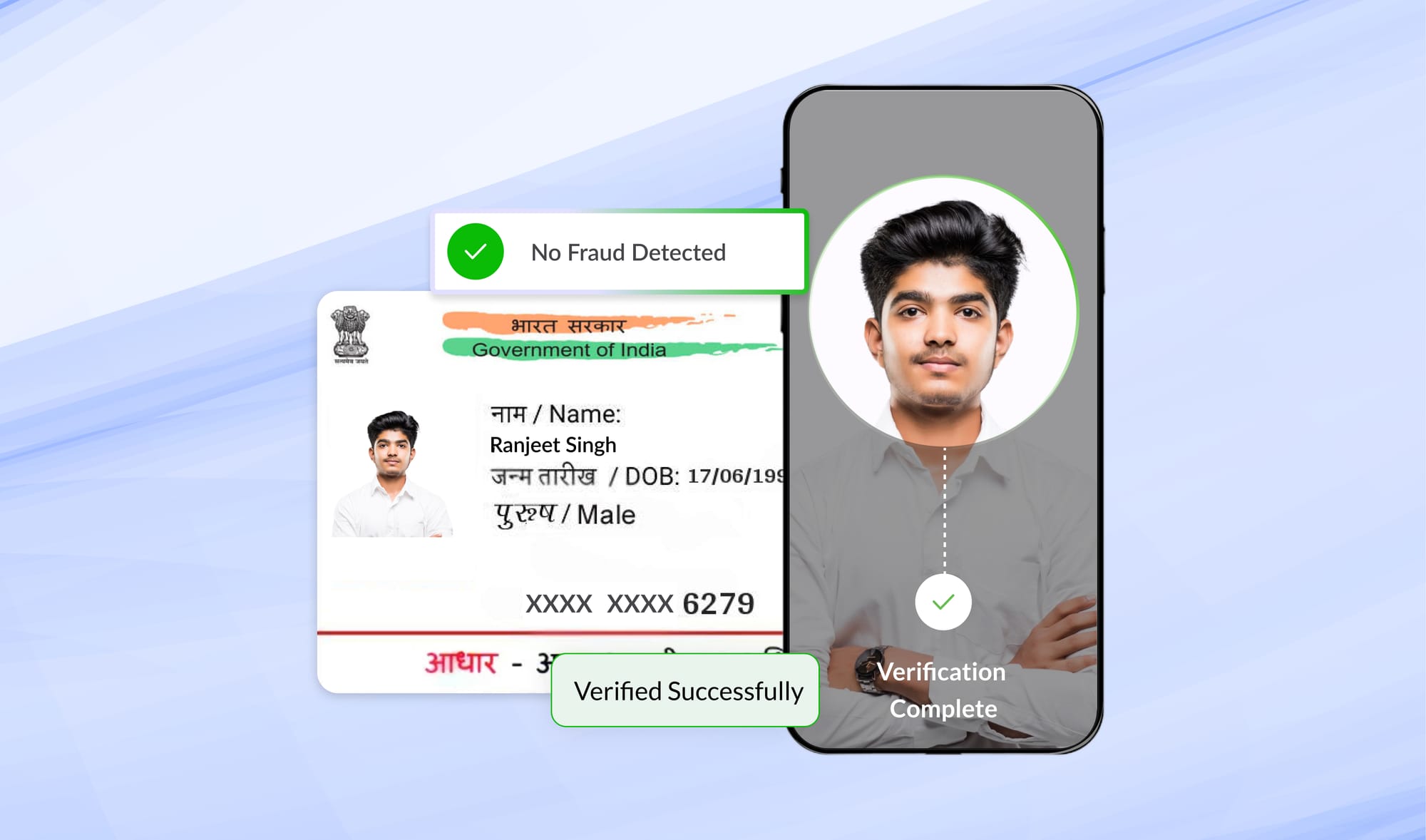
- Artificial intelligence systems that identify suspicious behaviours, patterns, inconsistencies, etc., indicating potential fraud or illicit behaviour.
The Regulatory Landscape
The implementation of digital KYC does not absolve businesses from compliance obligations; rather, it transforms how these obligations are fulfilled. Regulatory authorities worldwide have gradually recognized the efficacy of electronic verification methods, introducing frameworks to govern their implementation.
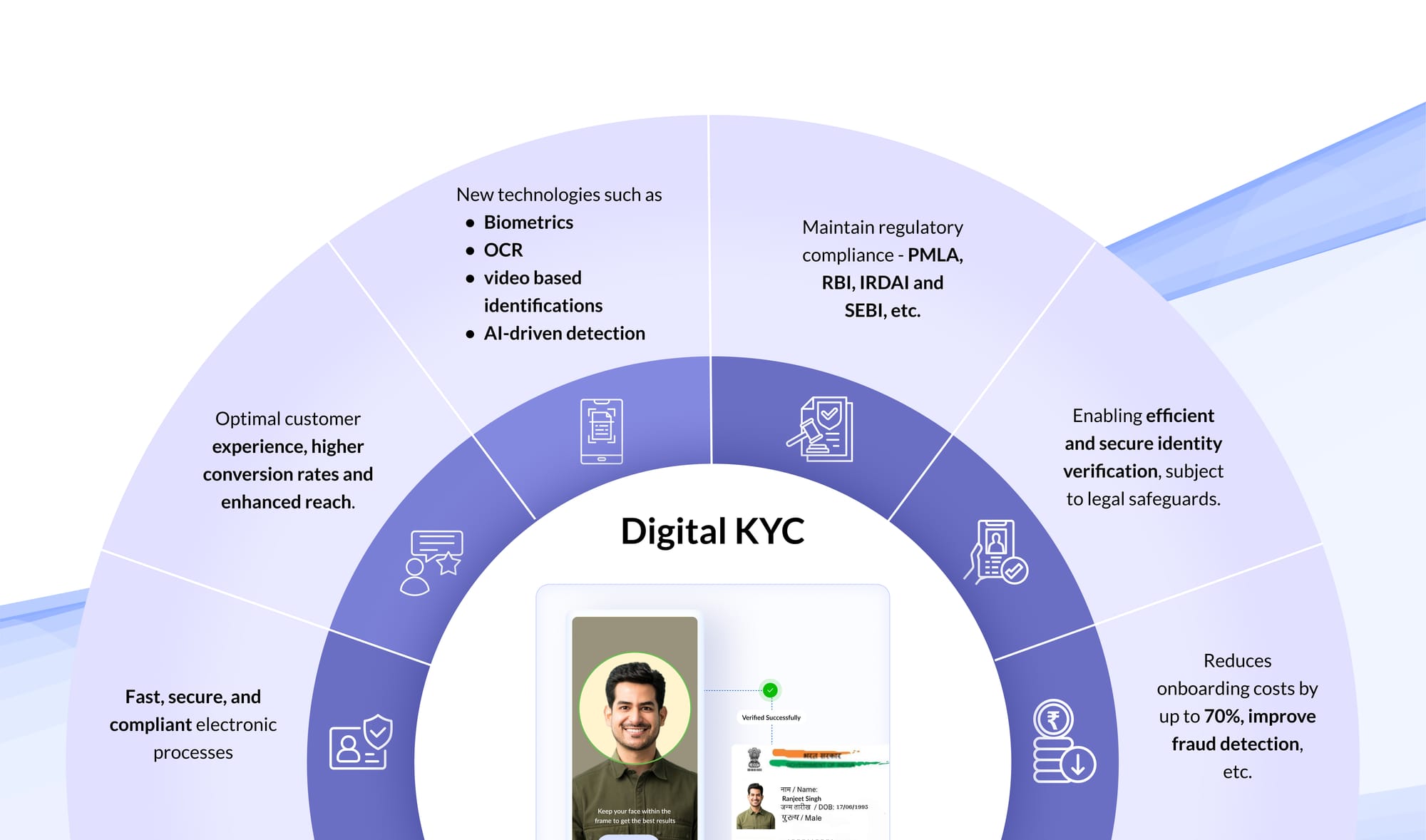
In India, the regulatory ecosystem has evolved considerably with the Prevention of Money Laundering Act (PMLA) and subsequent amendments establishing the legal foundation for KYC requirements. The Reserve Bank of India (RBI) has issued specific guidelines on Video-based Customer Identification Process (V-CIP) and electronic KYC (e-KYC) using Aadhaar authentication. The Securities and Exchange Board of India (SEBI) and Insurance Regulatory and Development Authority of India (IRDAI) have similarly adapted their regulatory framework to accommodate digital verification processes for capital market and insurance market participants, respectively.
These frameworks establish specific parameters regarding:
- Permissible verification methodologies
- Data retention requirements
- Security protocols for transmission and storage
- Audit trail and documentation
- Customer consent mechanisms
- Reporting obligations for suspicious transactions
Aadhaar and Its Role in Digital KYC
The Aadhaar ecosystem represents one of the most advanced identity verification infrastructures globally, serving as a cornerstone for digital KYC in India. The Unique Identification Authority of India (UIDAI) has established protocols enabling authorized entities to perform electronic verification against the Aadhaar database, subject to appropriate consent mechanisms and security protocols.
This verification can occur through multiple channels:
- Aadhaar Paperless Offline e-KYC
- Aadhaar XML-based e-KYC
- Aadhaar Authentication API integration
- DigiLocker integration for accessing verified documents
The Supreme Court's judgment in the Justice K.S. Puttaswamy case introduced certain limitations on private sector usage of Aadhaar for verification. However, subsequent legislative amendments have established legal pathways for voluntary usage of Aadhaar for KYC purposes, subject to explicit consent and appropriate safeguards against unauthorized access or data breaches.
Business Imperatives for Digital KYC Implementation
Operational Efficiency
Traditional KYC processes impose high operational costs through manual document verification, physical storage, and in-person verification procedures. Digital KYC dramatically reduces these operational overheads by:
- Automating document validation through OCR and machine learning
- Eliminating paper-based documentation and storage requirements
- Reducing verification timelines from days to minutes
- Minimizing human intervention in routine verification processes
- Enabling straight-through processing for low-risk customers
A comprehensive digital KYC implementation can reduce onboarding costs by 60-70% while accelerating processing times by 90%, according to industry benchmarks.
Enhanced Risk Management
Digital KYC systems incorporate sophisticated risk assessment algorithms that significantly surpass human capabilities in detecting fraudulent attempts.
These systems can:
- Identify document manipulation through pixel-level analysis
- Detect deepfake attempts through advanced liveness detection
- Cross-reference identity claims against multiple authoritative databases
- Apply machine learning to identify suspicious behavioral patterns
- Continuously monitor transactions against evolving risk profiles
This enhanced risk detection capability provides businesses with robust protection against identity fraud, money laundering, terrorist financing, and other illicit activities that could expose them to regulatory penalties and reputational damage.
Customer Experience Optimization
Contemporary consumers expect frictionless digital experiences across all services, including financial onboarding. Digital KYC addresses this expectation through:
- Remote verification eliminates the need for branch visits
- Intuitive user interfaces guiding customers through verification steps
- Real-time feedback on verification status
- Reduced abandonment rates during onboarding
- 24/7 availability of verification services
Research indicates that businesses implementing streamlined digital KYC experience up to 30% improvement in conversion rates during customer acquisition processes.
Implementation Considerations
The transition to digital KYC requires careful consideration of several critical factors:
Technical Architecture
A robust digital KYC infrastructure necessitates:
- Secure API integrations with authoritative databases
- Encryption protocols for data in transit and at rest
- Scalable cloud infrastructure to accommodate peak verification volumes
- Failover mechanisms ensuring continuous availability
- Microservices architecture enabling modular enhancements
Compliance Documentation
Businesses must maintain comprehensive documentation demonstrating regulatory adherence, including:
- Data processing impact assessments
- Consent management frameworks
- Audit logs of all verification activities
- Risk assessment methodologies
- Staff training protocols
- Incident response procedures
Vendor Selection
For businesses leveraging third-party KYC solutions, vendor selection criteria should encompass:
- Comprehensive verification stack and an orchestration to facilitate multi-mode KYC
- Data security protocols and certifications (ISO 27001, SOC2)
- Accuracy metrics for verification processes
- Service level agreements for verification timelines
- Customization capabilities for industry-specific requirements
Conclusion
As regulatory scrutiny intensifies and customer expectations evolve, digital KYC has transitioned from a competitive advantage to a business imperative. The convergence of regulatory compliance, operational efficiency, and customer experience optimization through digital KYC represents a strategic opportunity for forward-thinking businesses.
For businesses, the implementation of comprehensive digital KYC solutions offers not merely compliance with regulatory mandates but a fundamental reimagining of customer onboarding as a competitive differentiator. By embracing technological innovations in identity verification, businesses can simultaneously mitigate compliance risks, reduce operational costs, and enhance customer acquisition metrics.
The future of KYC lies not in viewing compliance as a burden but in recognizing it as an opportunity to establish trust, security, and efficiency in an increasingly digital business environment. Organizations that implement sophisticated, compliant digital KYC solutions today are positioning themselves advantageously for the regulatory landscape of tomorrow.
Read more Blogs
DPDP Consent Management: What Every Data Fiduciary Must Know in 2026
How DPDP consent management works: consent capture, lifecycle, consent managers, and what data fiduciaries must implement before May 2027.
DPDP Compliance Platform: Complete Guide for Indian Enterprises (2026)
Everything Indian enterprises need to know about choosing a DPDPA compliance platform: features, deployment options, timelines, and penalties. Updated for 2026.
DPDP Compliance for Banks: A CISO's 90-Day Roadmap
Indian banks sit at the intersection of two regulatory forces: the Reserve Bank of India's Data Governance Guidelines and the Digital Personal Data Protection Act, 2023. With full DPDPA enforcement beginning May 13, 2027, and penalties reaching ₹250 crore, banks face the highest compliance stakes of any sector. The challenge isn't just regulatory, it's operational. Banks handle tens of millions of data principals across dozens of digital properties (mobile apps, net banking, UPI, loan portals,




Digitally transform business operations with Digio!
Try first. Subscribe later.
Boost your legal ops efficiency by 80%
Learn how Digio can enhance your business productivity
Get 1-on-1 business use case solutioning
Speak with our business consultants to get a solution walkthrough for your business requirement
Test the APIs
Let your development team test our API suite to understand configurability and product integration
Subscribe
Get the best in industry commercials for your business usecase