Accelerating Loan Approvals in India: Role of the latest technology
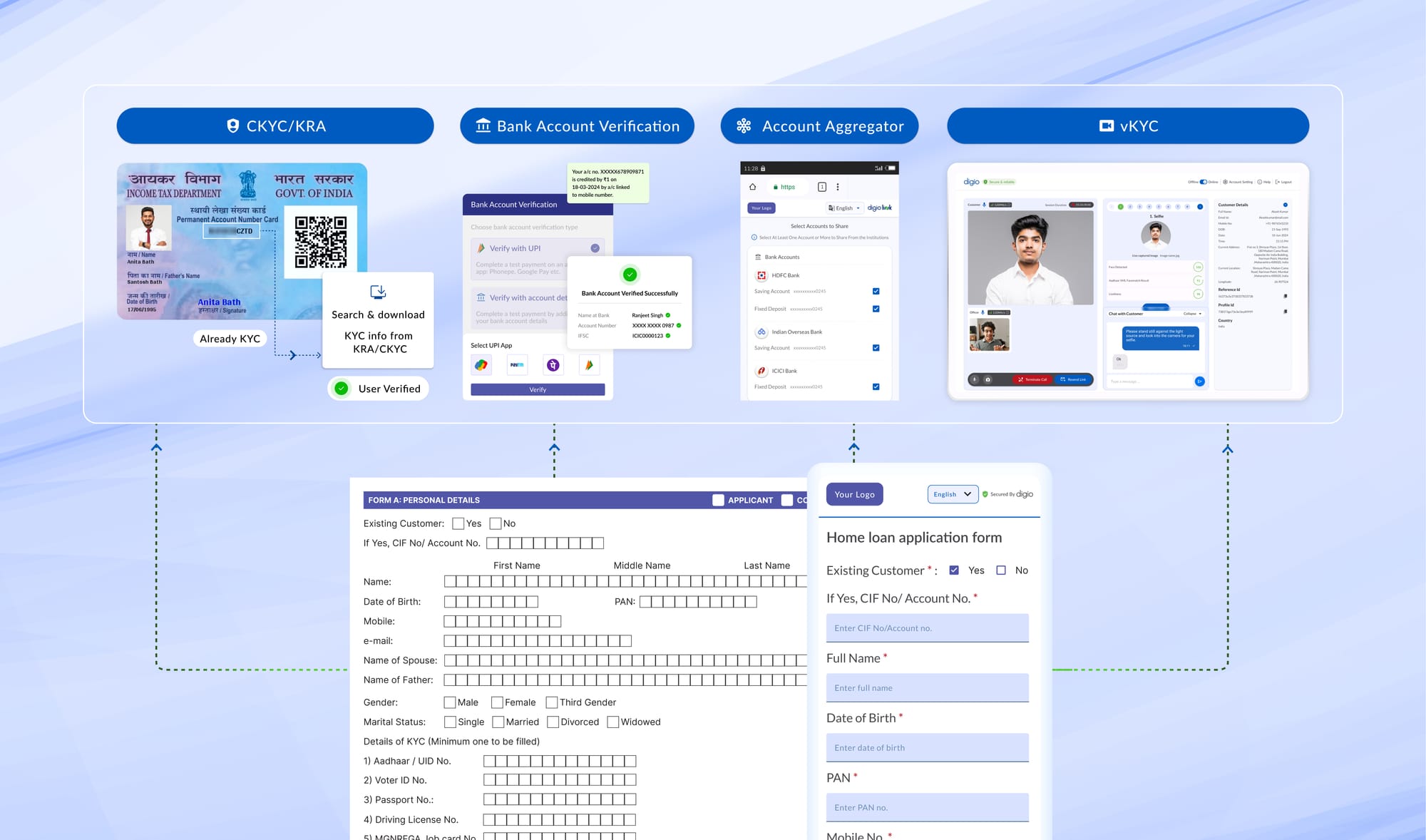
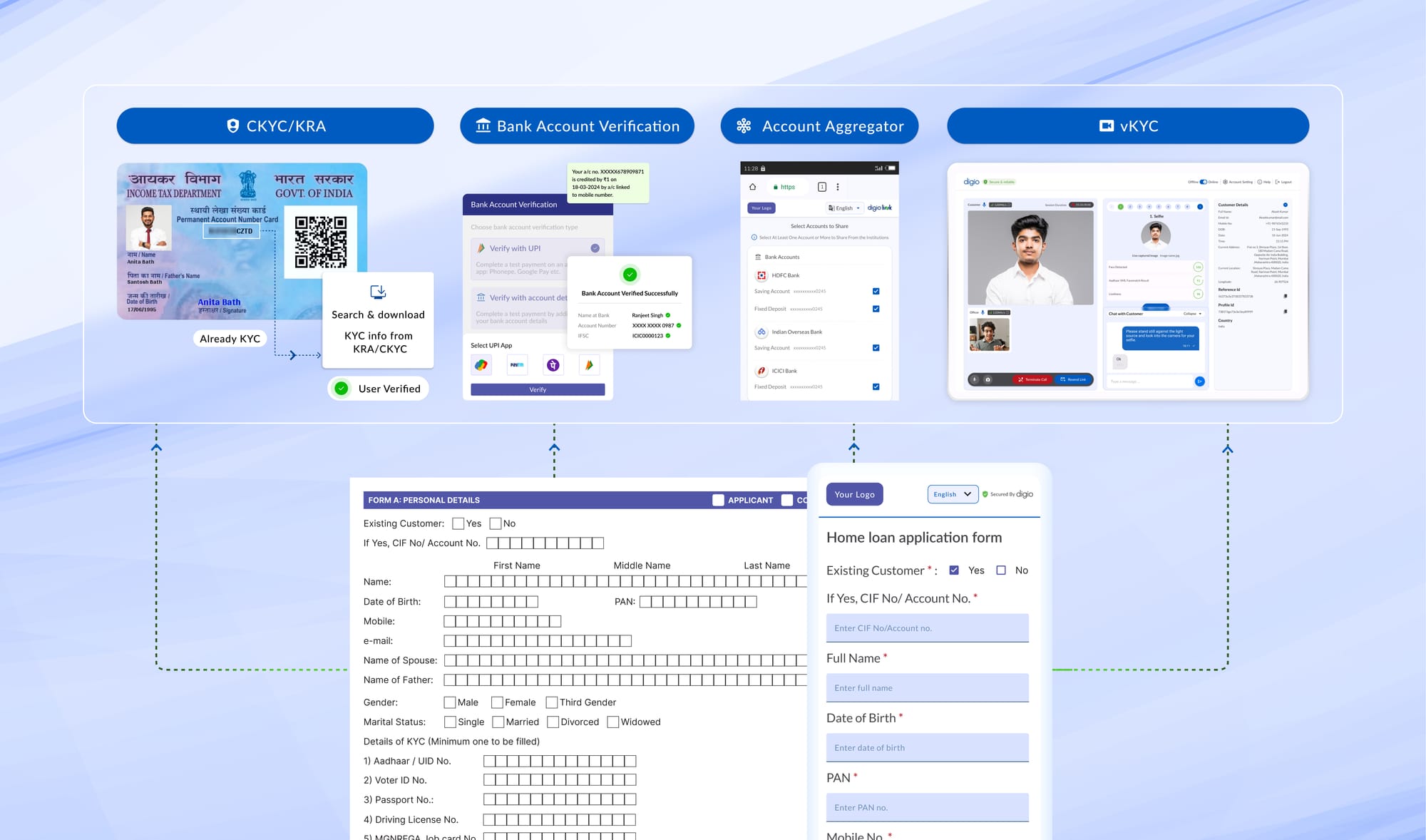
The biggest game-changer for Indian NBFC growth is faster onboarding and digital journeys supported by new technologies like the CKYC registry, automated bank account verification, bank-statement retrieval via Account Aggregator, video-based KYC, and UPI mandates.
Accelerating Loan Approvals across India: Role of evolving technologies: The Strategic Role of CKYC, Bank Verification, Account Aggregator, and vKYC
Streamlining loan approvals is a critical focus area for lenders across India, especially those aiming to enhance the customer experience while maintaining operational efficiency. One of the biggest game-changers for NBFC growth is the speed of onboarding and digital journeys. These simplify and automate KYC and AML checks, reduce the time it takes to onboard customers, and speed up loan disbursement processes.
Some of these latest regulatory technology solutions include the Central Know Your Customer (CKYC) registry, automated Bank Account Verification tools, bank statements analysis via the Account Aggregator framework, Video based Know Your Customer (vKYC) process, and UPI mandates, which have revolutionised the lending landscape in India. These technologies are not only improving operational efficiency but also enabling financial inclusion, allowing broadening of the customer base with minimal investments, and enhancing customer experience. Along with these technologies, the growing adoption of AI/ML, digital lending platforms, adoption of smartphones and cloud computing play a tremendous role in the growth of this sector.
These tools are integral to ensuring secure, accurate, and efficient loan application approvals and disbursements, particularly for Non-Banking Financial Companies (NBFCs) striving to expand their market presence by offering a smooth and efficient experience for their customers. These technologies are essentially offering a very high level of completion by removing all the friction points in the onboarding journeys.
- The NBFC sector's consolidated balance sheet grew by high double digits year-on-year over the last decade.
- FIDC India estimates that NBFCs now contribute significantly to India's GDP, representing approximately 13.6% of India's GDP.
This underscores the pivotal role NBFCs play in financial inclusion and economic growth. Below, we delve into how CKYC, Bank Verification, Account Aggregators, and vKYC and UPI mandates contribute to accelerated loan applications, processing, and approval, highlighting their unique functionalities and compliance frameworks.
CKYC: Centralized Customer Identification for Efficiency
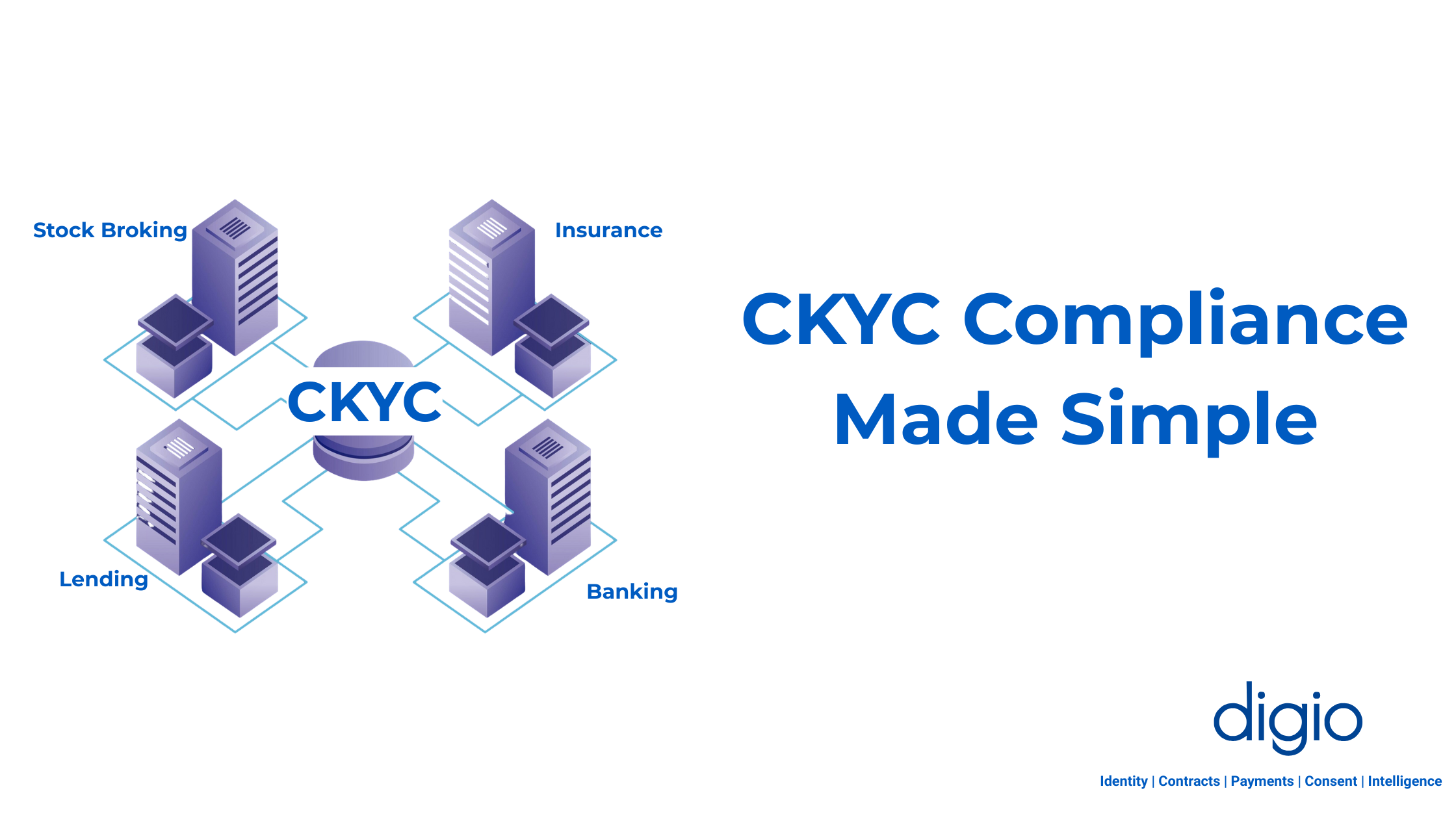
The Central Know Your Customer (CKYC) registry, managed by CERSAI (Central Registry of Securitisation, Asset Reconstruction and Security Interest of India), which is a government of India company, governed by the Ministry of Finance, aspires to simplify customer verification by maintaining a unified repository of KYC data accessible to all participating financial institutions. CKYC’s strategic value lies in its ability to:
- Standardise Customer Data: CKYC captures standardised information, including identity proof, address details, and photographs, ensuring consistency across institutions and over time.
- One-Time Submission: Borrowers submit their KYC documents once, eliminating repetitive paperwork for future financial transactions.
- Instant Verification: Financial institutions can instantly verify a borrower’s identity, leveraging encrypted and geo-tagged data for added security.
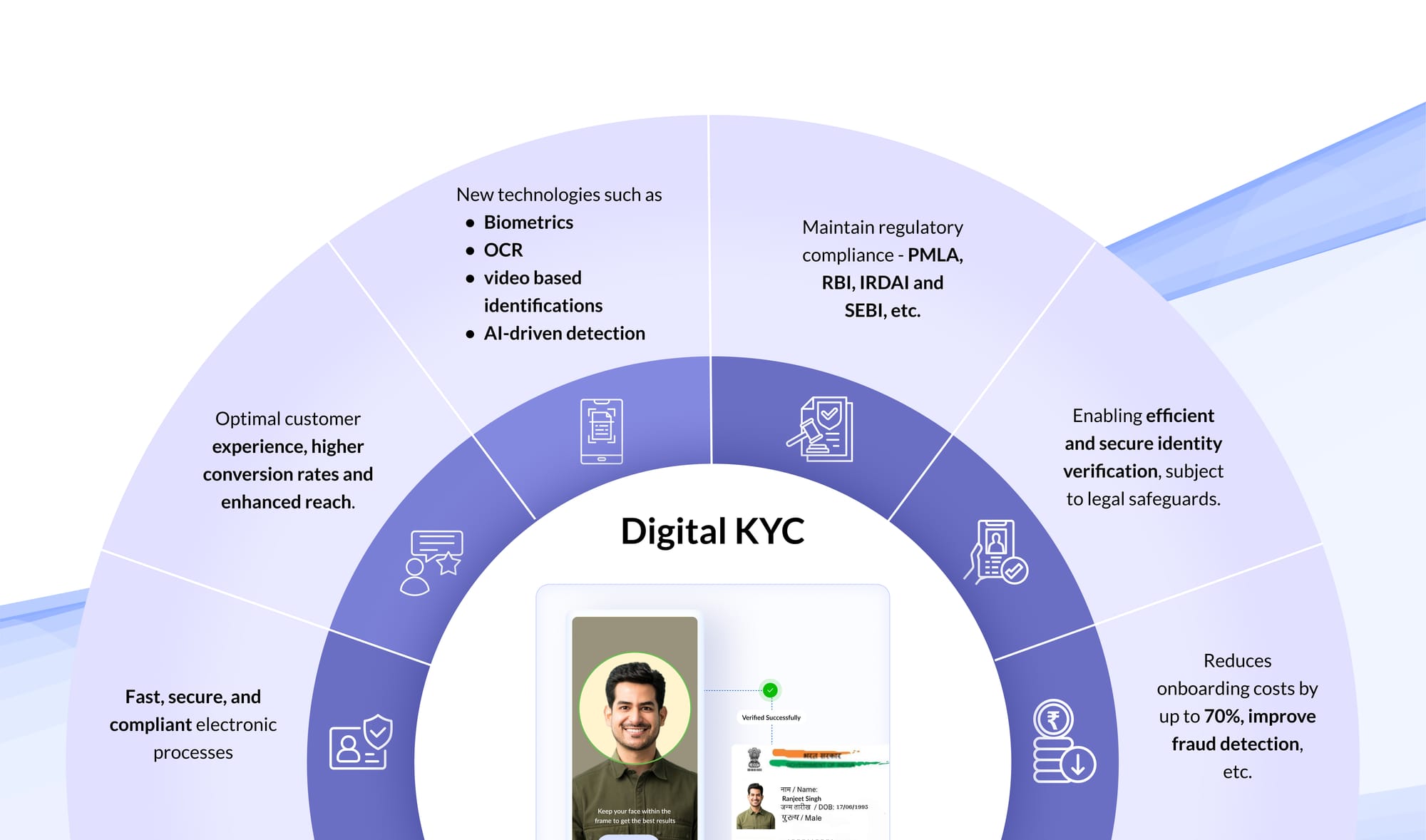
- Regulatory Compliance: CKYC aligns with the Prevention of Money Laundering Act (PMLA), ensuring adherence to strict anti-money laundering norms.
By reducing redundancies and automating identity verification, CKYC enables lenders to focus on evaluating creditworthiness, significantly shortening loan approval timelines.
Read more about Digio’s CKYC solution here.
Bank Account Verification: Building Trust Through Accuracy
Bank Account Verification plays a critical role in establishing the authenticity of an applicant’s financial information. This process is particularly important for ensuring compliance with KYC and anti-fraud regulations. Key functionalities include:
- Account Ownership Validation: Confirms that the bank account belongs to the applicant, mitigating the risk of fraud or identity theft.
- Accurate Loan Disbursement: Ensures error-free loan disbursement by validating account details against official bank records.
- Real-Time Data Access: Advanced verification systems provide real-time access to account status, facilitating quicker loan processing.
- Fraud Prevention Measures: Flags discrepancies in account details, helping lenders identify and address potential risks proactively.
By integrating robust account verification protocols, lenders can enhance transparency and trust, ensuring seamless loan disbursement while mitigating operational risks.
Read more about Digio’s Bank account verification solutions here.
Account Aggregator Framework: Automated Holistic Financial Data for Informed Decisions
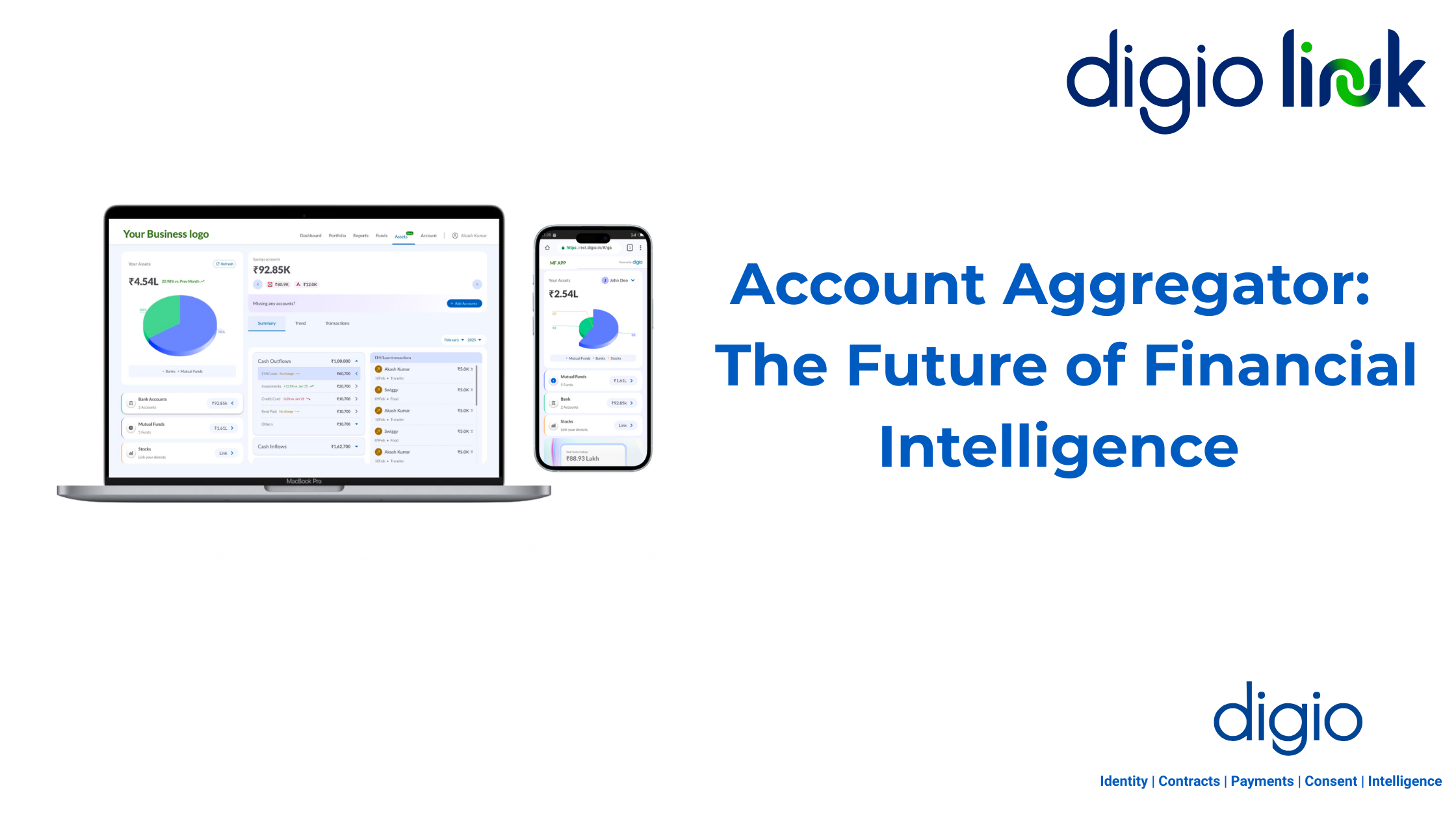
The Account Aggregator (AA) system, introduced under the RBI’s guidance, offers a consent-driven architecture for securely sharing financial data. It enables lenders to access a comprehensive view of an applicant’s financial health, including:
- Consolidated Financial Insights: Aggregates data from multiple financial entities, such as banks, insurers, and mutual funds, providing a unified financial profile.
- Creditworthiness Assessment: Enables lenders to evaluate repayment capacity by analyzing transaction histories and income patterns.
- Consent-Based Sharing: Ensures that borrowers retain control over their data, with information shared only upon explicit consent.
- Secure and Compliant: Adheres to robust data security standards, leveraging encryption and role-based access to protect sensitive information.
- Applicability Across Loan Types: Supports diverse use cases, including unsecured personal loans, secured mortgages, and business financing.
The AA framework’s ability to deliver precise, up-to-date financial data empowers lenders to make faster, more informed decisions, reducing the time-to-loan while enhancing customer satisfaction.
Read more about Digio’s Account Aggregator solutions here.
vKYC: Redefining Verification with Remote Accessibility
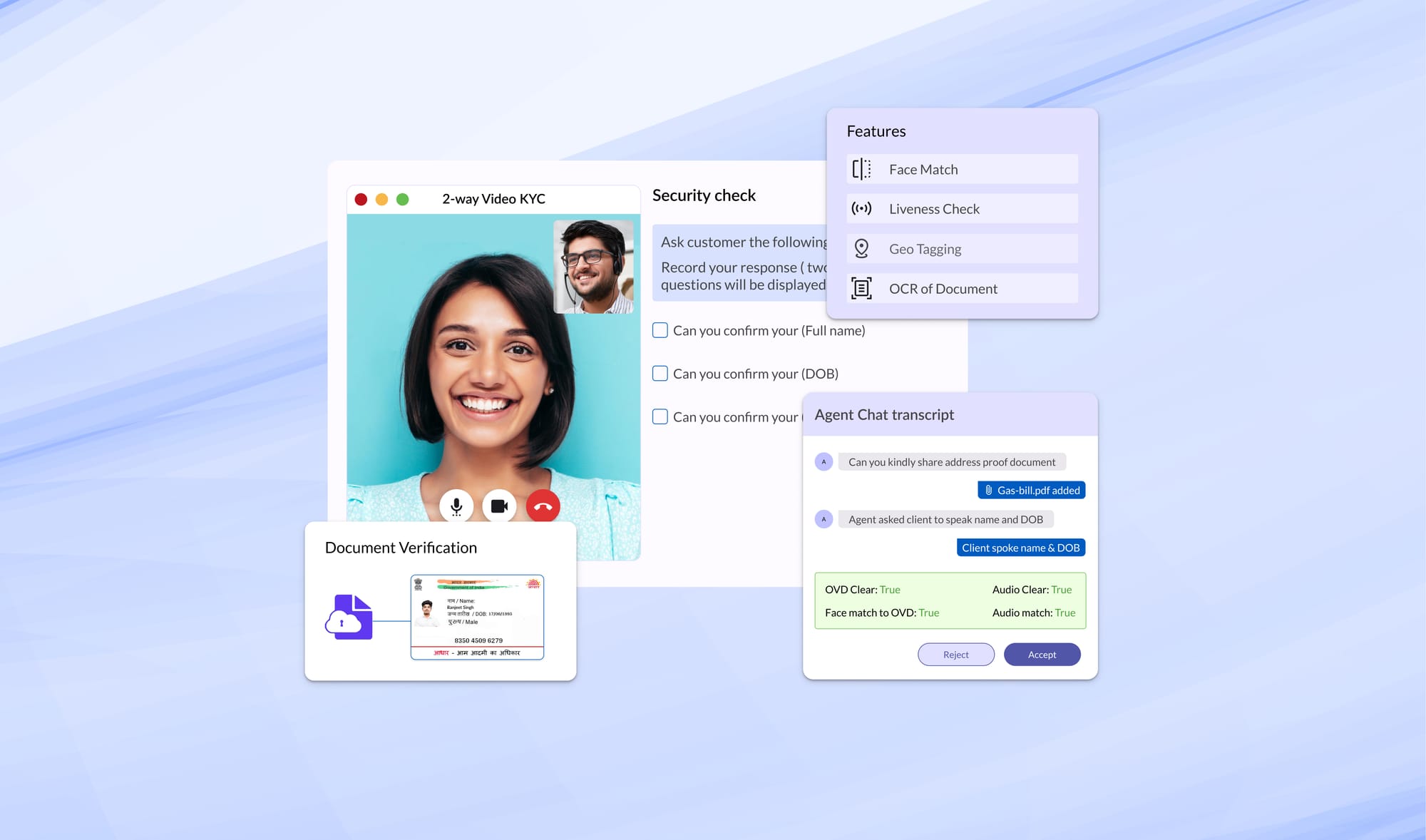
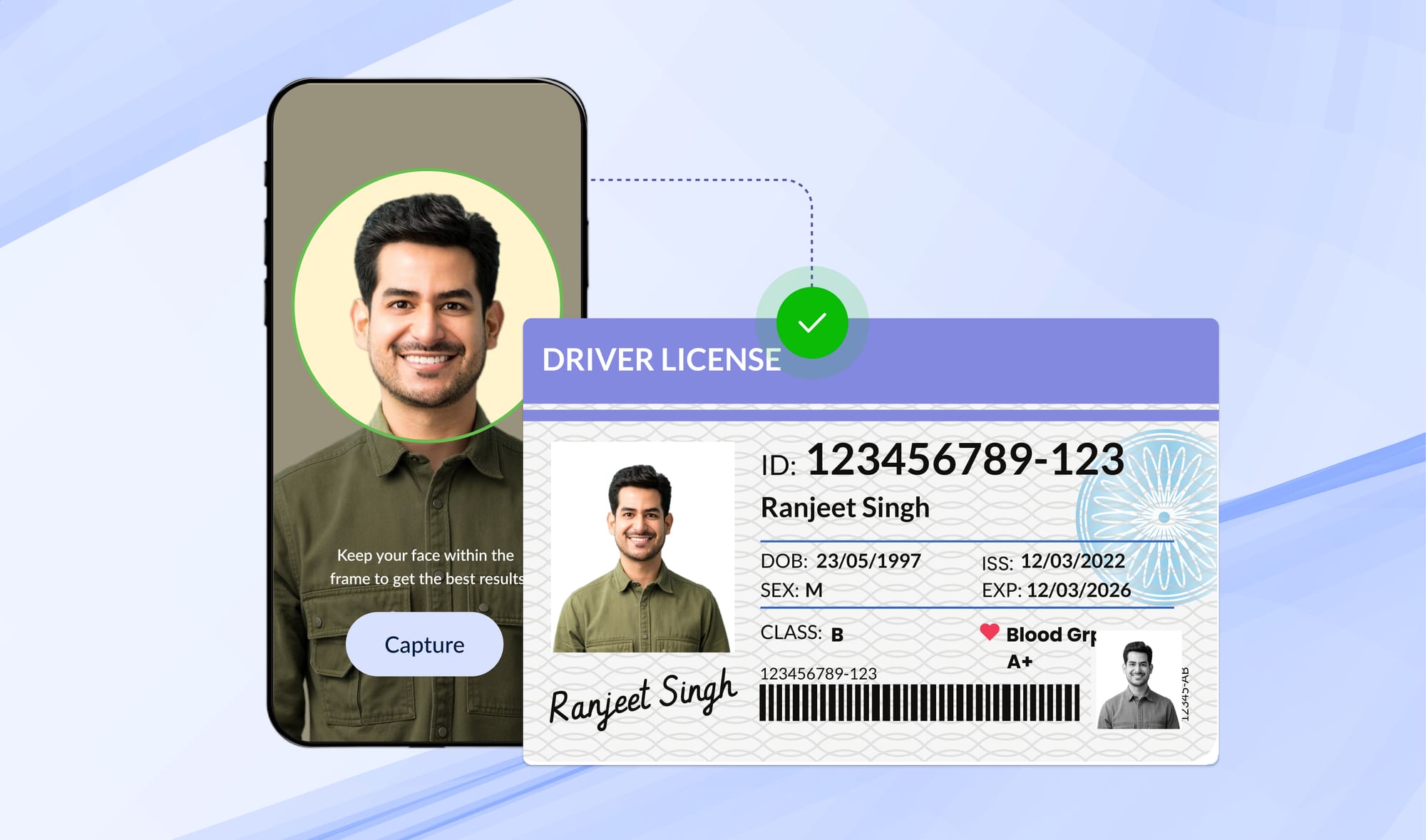
Video KYC (vKYC) has emerged as a regulatory-compliant solution for remote identity verification. With guidelines established by the RBI, vKYC ensures the integrity of the KYC process while offering unmatched convenience. Key aspects include:
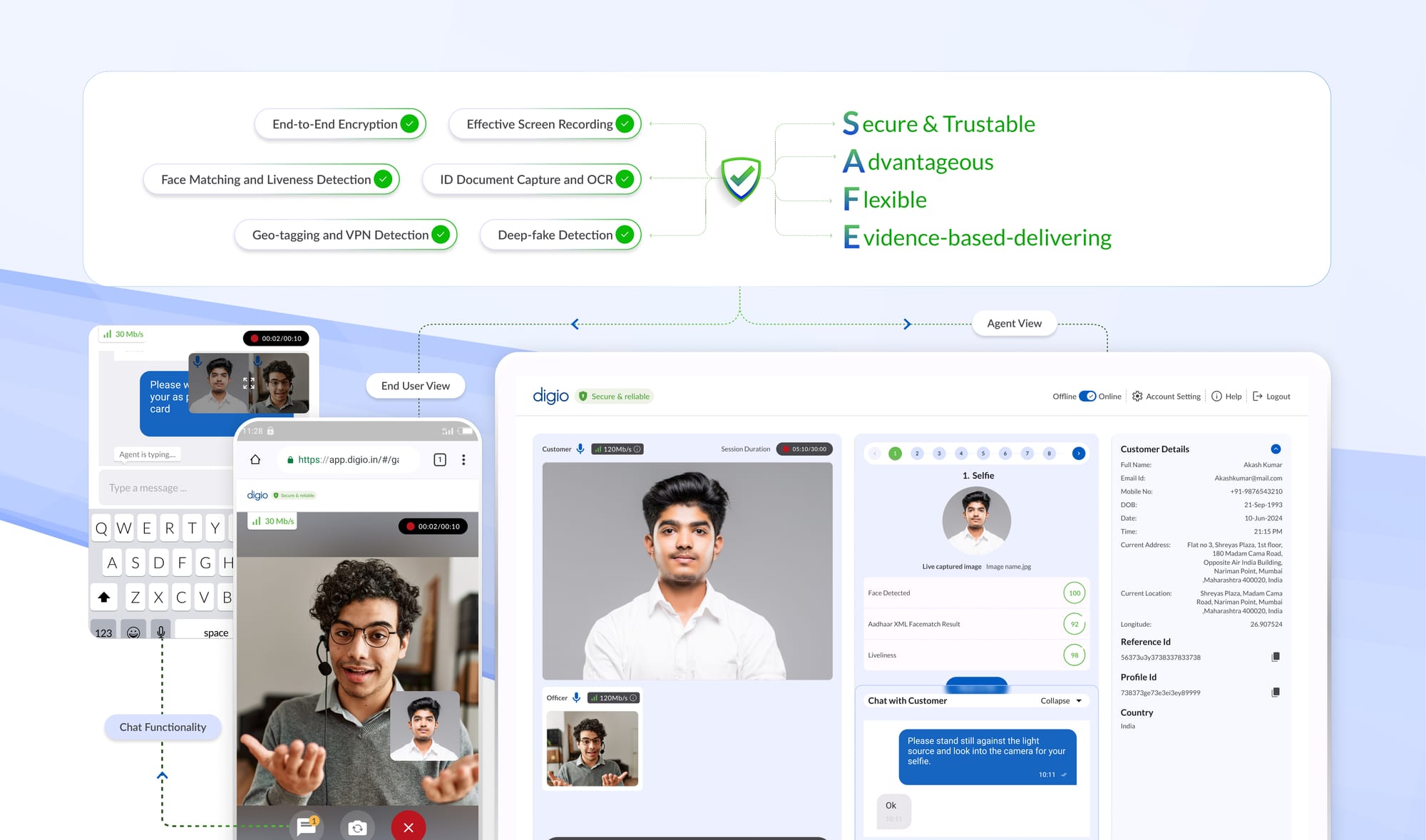
- Real-Time Verification: Conducts live video interactions to verify identity and documents, incorporating features like face matching and liveness detection.
- Geo-Tagging and Encryption: Captures geo-tagged images and encrypts data to prevent unauthorized access.
- Regulatory Compliance: Adheres to guidelines mandating live recording, dynamic knowledge-based questioning, and secure storage of evidence.
- Scalability and Efficiency: Supports high volumes of applications, reducing processing times to as little as 3-5 minutes per customer.
- Enhanced Security Features: Detects VPN usage, ensures liveness, and records sessions for audit purposes, minimizing fraud risks.
Platforms like Digio’s vKYC offer additional customization options, such as branded interfaces, live dashboards, and priority call routing, enabling financial institutions to optimize workflows and deliver superior customer experiences. Read more about Digio’s video KYC solutions here.
UPI Mandates: Redefining Collections
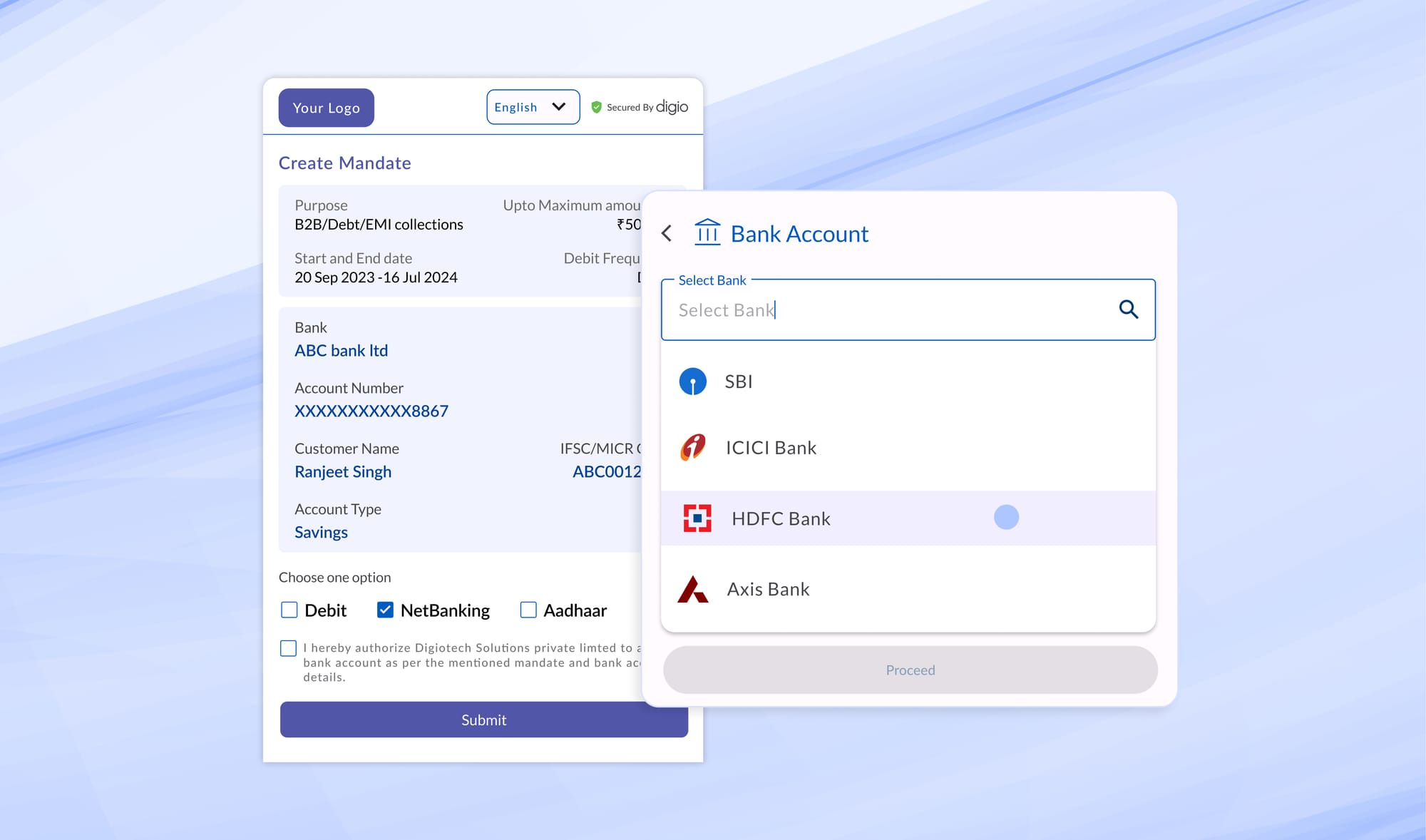
Growth and adoption of Unified Payments Interface (UPI) in India have significantly transformed the financial ecosystem, particularly NBFCs and the overall lending services. Key aspects include:
- Real-Time Verification: UPI integration allows for real-time validation of identity through Aadhaar-based authentication, PAN verification, etc, and minimises the need for physical documentation, helping in a seamless customer experience.
- Regulatory Compliance: UPI provides detailed transaction records, making audits and compliance checks more straightforward, both for internal compliance teams and regulatory authorities. This helps NBFCs maintain transparency with regulators while also improving customer trust.
- Scalability and Efficiency: UPI mandates today allow NBFCs to issue high volumes of loan applications, with minimal operational overheads. NBFCs are increasingly adopting automated recurring payments (EMIs) along with one-time payments and pre-payments to ensure on-time repayments with digital follow-ups.
- Enhanced Security Features: UPI comes with built-in security features such as OTPs (One-Time Passwords) and additional forms of multi-factor authentication. These features help ensure that loan transactions, both for disbursements and repayments, are secure and trustworthy.
Platforms like DigiCollect offer additional customization options, live dashboards, and priority settlement, enabling NBFCs and financial institutions to optimize their workflows in a compliant way and deliver superior customer experiences. Read more about DigiCollect here.
The Synergistic Impact of Integrated Solutions
The integration of CKYC, Bank Verification, the Account Aggregator framework, and vKYC and UPI mandates creates a cohesive ecosystem for loan approvals, offering:
- Accelerated Decision-Making: Streamlined data sharing and verification eliminate redundant processes, reducing turnaround times.
- Enhanced Security: Comprehensive validation across multiple touchpoints ensures data integrity and minimizes fraud risks.
- Improved Compliance: Adherence to regulatory frameworks, including the RBI’s and PMLA’s mandates, mitigates compliance risks.
- Optimized Customer Journeys: Borrowers benefit from simplified application processes, faster approvals, and seamless interactions.
Conclusion
The convergence of CKYC, Bank Verification, Account Aggregators, and vKYC and UPI mandates has redefined the loan approval landscape, offering lenders a competitive edge in speed, security, and compliance. These tools not only address critical pain points but also pave the way for scalable, customer-centric financial solutions.
As regulatory frameworks and market dynamics evolve, financial institutions must continue to adopt and refine these technologies, ensuring they remain agile and responsive to borrower needs. By leveraging these advanced tools, lenders can unlock new efficiencies, strengthen customer trust, and contribute to the broader goal of financial inclusion.
Read more Blogs
DPDP Consent Management: What Every Data Fiduciary Must Know in 2026
How DPDP consent management works: consent capture, lifecycle, consent managers, and what data fiduciaries must implement before May 2027.
DPDP Compliance Platform: Complete Guide for Indian Enterprises (2026)
Everything Indian enterprises need to know about choosing a DPDPA compliance platform: features, deployment options, timelines, and penalties. Updated for 2026.
DPDP Compliance for Banks: A CISO's 90-Day Roadmap
Indian banks sit at the intersection of two regulatory forces: the Reserve Bank of India's Data Governance Guidelines and the Digital Personal Data Protection Act, 2023. With full DPDPA enforcement beginning May 13, 2027, and penalties reaching ₹250 crore, banks face the highest compliance stakes of any sector. The challenge isn't just regulatory, it's operational. Banks handle tens of millions of data principals across dozens of digital properties (mobile apps, net banking, UPI, loan portals,


Digitally transform business operations with Digio!
Try first. Subscribe later.
Boost your legal ops efficiency by 80%
Learn how Digio can enhance your business productivity
Get 1-on-1 business use case solutioning
Speak with our business consultants to get a solution walkthrough for your business requirement
Test the APIs
Let your development team test our API suite to understand configurability and product integration
Subscribe
Get the best in industry commercials for your business usecase